Search

Find uplifting stories about heroes, innovations, and solutions

570 results for "planetary conjunction"

NASA Turns Planetary Parade Into Sound You Can Hear
InnovationFeb 25

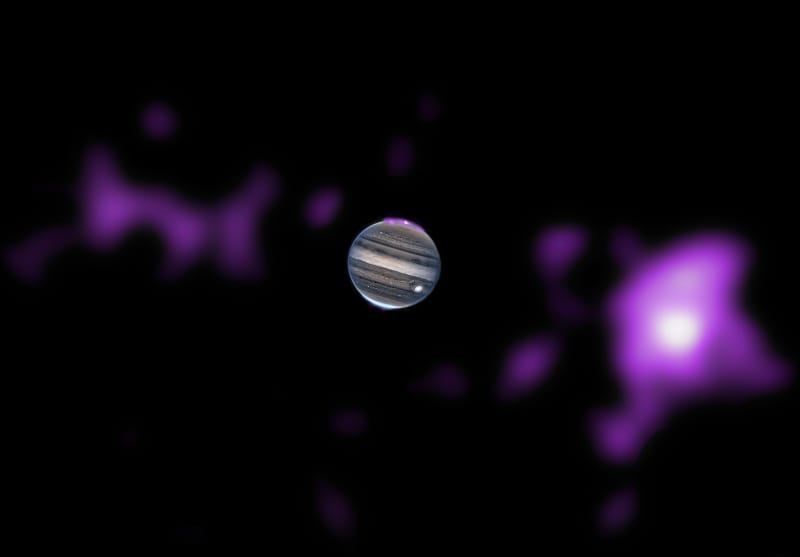
NASA Turns Planetary Parade Into Sound You Can Hear

NASA just released sonifications that transform telescope data from Jupiter, Saturn, and Uranus into music, making this month's rare planetary alignment accessible to everyone. The sounds reveal X-ray and infrared data that human eyes can't see from Earth.

NASA2 min read
Australian Backyard Astronomers Discover Planetary Ring
InnovationApr 11

Australian Backyard Astronomers Discover Planetary Ring

Three amateur astronomers in Queensland made history by becoming the first citizen scientists to discover a planetary ring, proving that world-changing discoveries can happen in your own backyard. Their finding helped solve a cosmic mystery that professional telescopes had missed.

SBS Australia3 min read
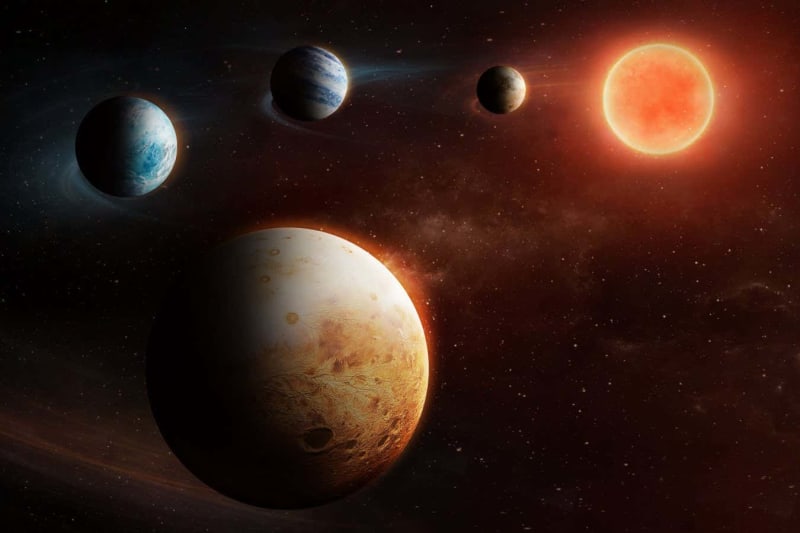
Scientists Find 'Inside Out' Planetary System
InnovationFeb 13

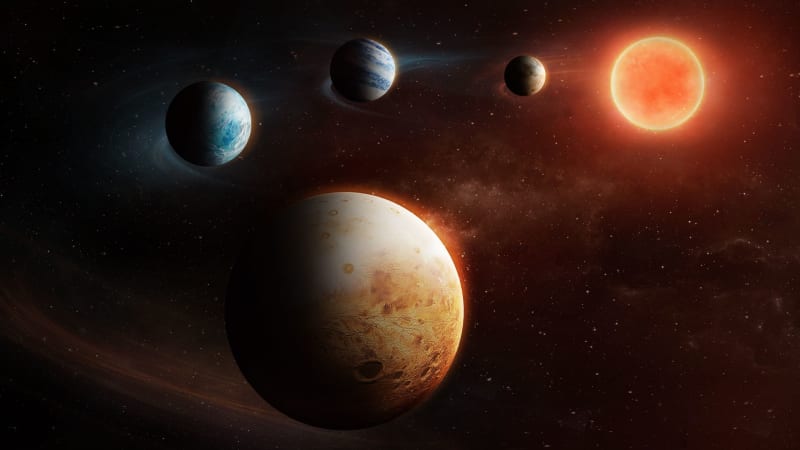
Scientists Find 'Inside Out' Planetary System

Astronomers discovered four planets orbiting a small star in a pattern never seen before: rocky, gaseous, gaseous, then rocky again. The find challenges everything scientists thought they knew about how planets form around stars.

Space.com3 min read
Earth and Mars Are Planetary Siblings, Scientists Confirm
InnovationMay 16

Earth and Mars Are Planetary Siblings, Scientists Confirm

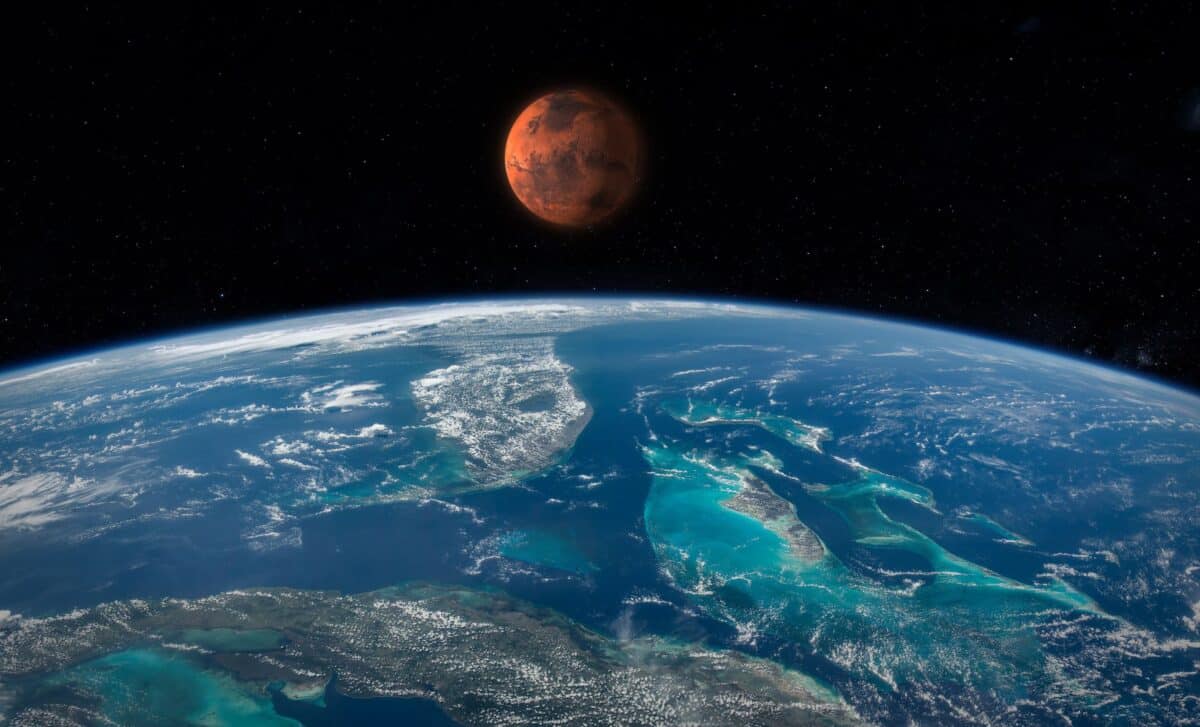
New research reveals Earth and Mars formed from nearly identical cosmic material, rewriting our understanding of how our planet came to be. The discovery shows Jupiter's gravity kept Earth local, building almost entirely from inner Solar System dust.

Google News - Scientists Discover2 min read
Six Planets Align Saturday in Rare Celestial Parade
Global NewsMar 1

Six Planets Align Saturday in Rare Celestial Parade

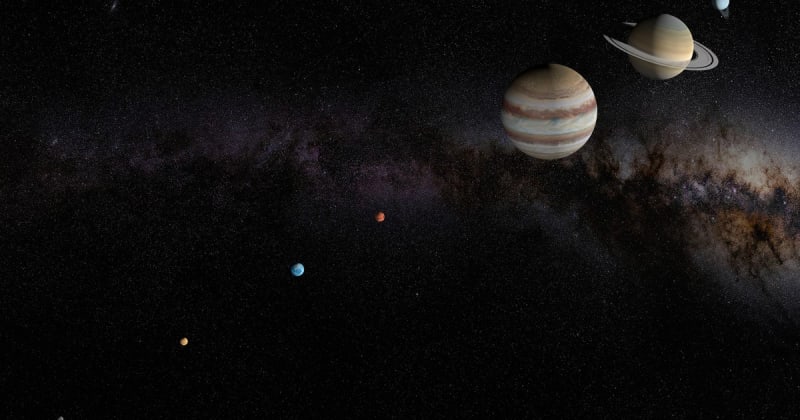
Six planets will line up in a spectacular "planetary parade" Saturday night, visible across much of California in a celestial event that won't happen again until 2028. Four planets will be visible to the naked eye, while telescope users can spot two more in this rare astronomical treat.

Google News - Science2 min read
MIT Solves Mystery of Planetary Odd Couple 190 Light Years Away
Planet WinsMay 5

MIT Solves Mystery of Planetary Odd Couple 190 Light Years Away

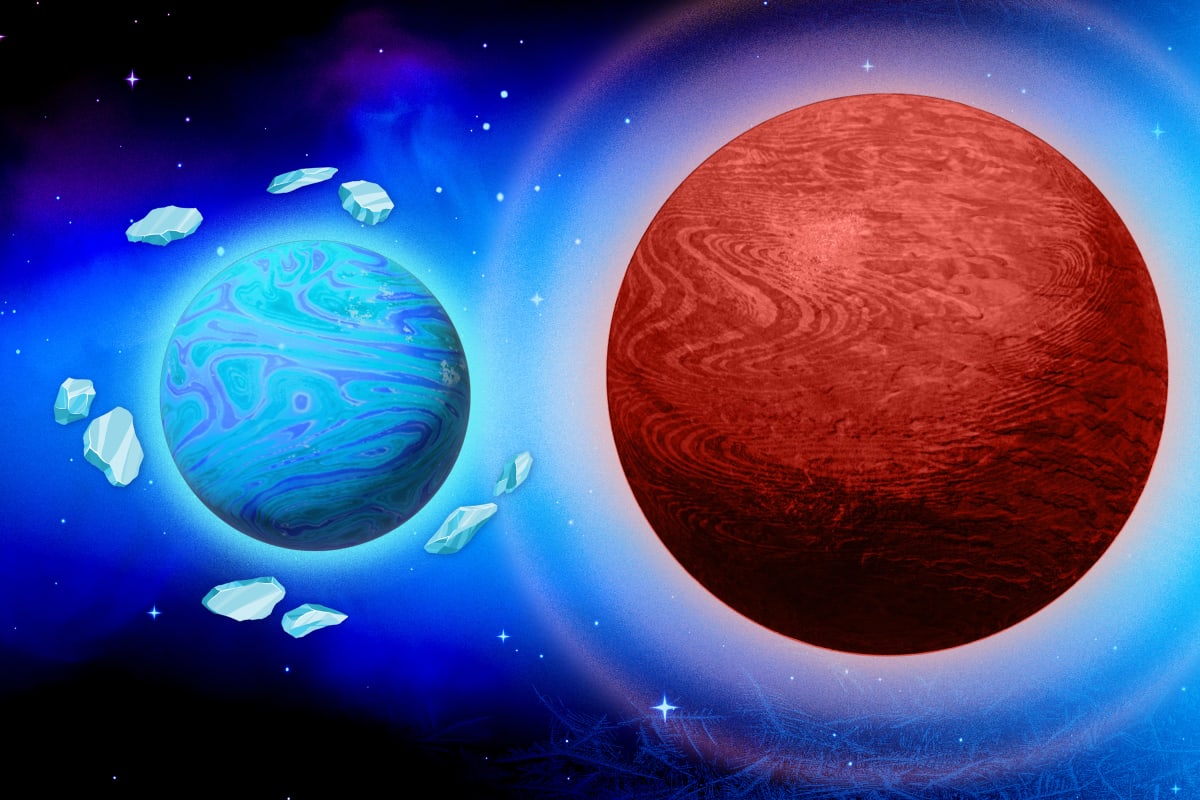
Scientists discovered how a rare mini-Neptune and hot Jupiter became neighbors, solving a puzzle that's stumped astronomers since 2020. The breakthrough reveals these planets formed far from their star and traveled billions of miles together over time.

MIT News3 min read
Rocky Planet 116 Light-Years Away Rewrites Formation Rules
InnovationFeb 14

Rocky Planet 116 Light-Years Away Rewrites Formation Rules

Scientists discovered a solar system that flips our understanding of how planets form, with a rocky planet orbiting beyond gas giants in a pattern never seen before. The finding could reshape what we know about planetary birth around the universe's most common stars.

Google News - Science2 min read
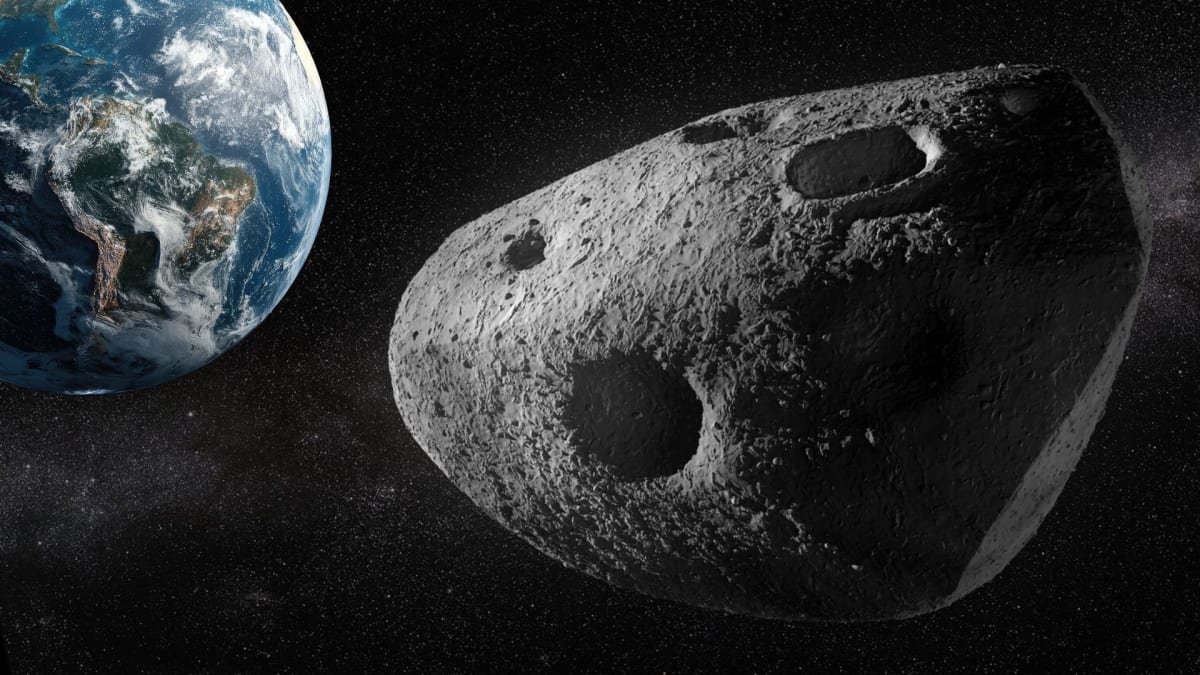
California Startup Plans First Commercial Asteroid Mission
InnovationApr 30

California Startup Plans First Commercial Asteroid Mission

A Southern California company is launching the first commercial deep space mission to study asteroid Apophis during its 2029 Earth flyby, making planetary defense faster and more affordable. The mission could attract more viewers than the Super Bowl while helping protect our planet from future threats.

Space.com3 min read
NASA Discovers 3 Planets With Orbits Changing in Real Time
InnovationApr 24

NASA Discovers 3 Planets With Orbits Changing in Real Time

Scientists have found a planetary system 370 light-years away where the planets' orbits are shifting so rapidly that astronomers can actually watch the changes happen. Unlike anything seen before, this rare system is giving researchers a front-row seat to how planets reorganize after formation.

Google: NASA discovery3 min read
🌍
Planet WinsMar 19

China Targets 2027 Launch for Asteroid Defense Mission

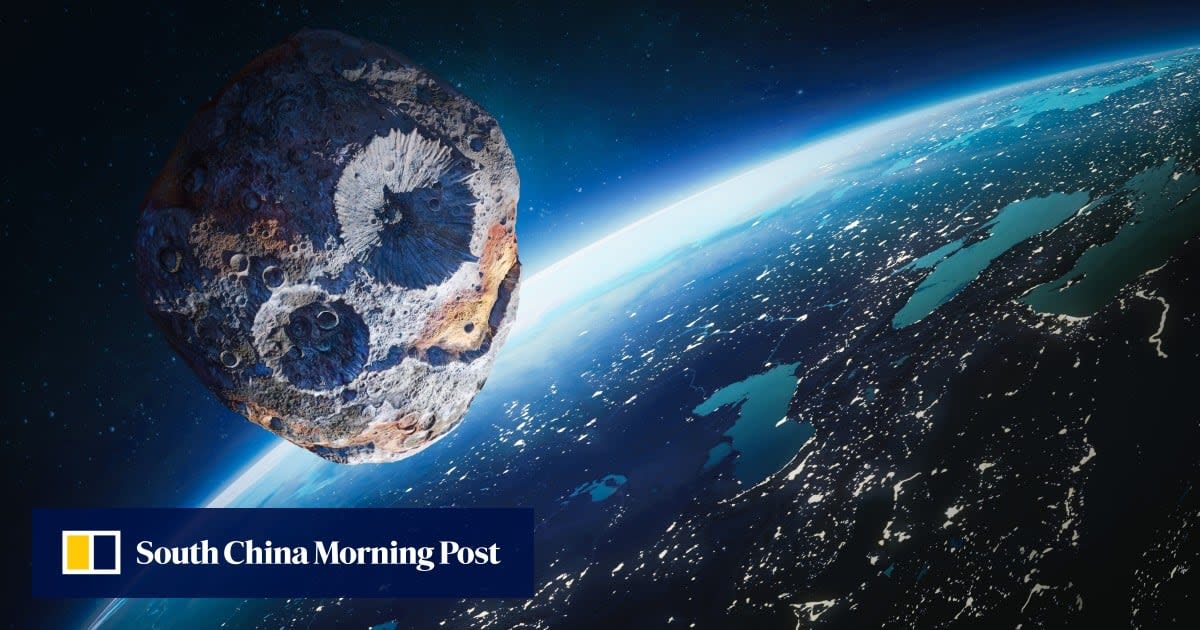
China is preparing to launch its first planetary defense mission in December 2027, aiming a spacecraft at asteroid 2016 WP8 to test humanity's ability to protect Earth from space threats. The mission marks another nation joining the effort to keep our planet safe from asteroids.

SpaceNews3 min read
Inside-Out Planet System Rewrites Formation Rulebook
Planet WinsFeb 13

Inside-Out Planet System Rewrites Formation Rulebook

Astronomers discovered a rare planetary system that formed backward, with rocky planets at the edge instead of the center. The find shows the universe creates worlds in more diverse ways than we ever imagined.

New Scientist3 min read
NASA Discovers Tough Fungi That Survive Mars Conditions
InnovationMay 6

NASA Discovers Tough Fungi That Survive Mars Conditions

Scientists found nearly indestructible fungi in NASA's spacecraft clean rooms that can survive conditions mimicking Mars. The discovery is pushing space agencies to upgrade their planetary protection protocols.

Scientific American2 min read
Scientists Watch Planets Change Orbits in Real Time
InnovationApr 24

Scientists Watch Planets Change Orbits in Real Time

Astronomers just discovered something they've never seen before: a planetary system 370 light-years away where orbits are shifting so fast they can watch it happen. What usually takes millions of years is unfolding before our eyes.

Space.com2 min read
Scientists Spot 'Teenage' Planet System 210M Years Old
InnovationMar 1

Scientists Spot 'Teenage' Planet System 210M Years Old

Astronomers have discovered a rare planetary system in its "adolescent" phase, offering the first real look at how planets transform from youth to maturity. The 210-million-year-old system is shedding light on a cosmic mystery scientists have never been able to study before.

Google News - Scientists Discover3 min read
UN Woman Leads Earth's First Real Asteroid Alert System
Community HeroesMar 30

UN Woman Leads Earth's First Real Asteroid Alert System

When a building-sized asteroid set Earth in its crosshairs last year, one British lawyer had to alert every government on the planet. Aarti Holla-Maini successfully activated the UN's planetary defense system for the first time ever.

Google News - Science2 min read
Four Planets Challenge How We Think Worlds Form
InnovationFeb 21

Four Planets Challenge How We Think Worlds Form

Astronomers discovered a puzzling solar system 116 light-years away where a rocky planet orbits farthest from its star, defying expectations and offering fresh clues about how planets come to be. This rare finding could rewrite what we know about planetary birth.

Sky & Telescope3 min read
Mystery Planet Holds 120-Million-Mile Cloud of Metal Vapor
Planet WinsJan 24

Mystery Planet Holds 120-Million-Mile Cloud of Metal Vapor

Astronomers discovered a massive cloud of vaporized iron and calcium swirling around an unknown object 3,000 light-years away. The rare find reveals that even in mature planetary systems, dramatic cosmic collisions still reshape worlds.

Space.com2 min read
Europe's Hera Probe On Track for Asteroid History in 2026
InnovationMar 25

Europe's Hera Probe On Track for Asteroid History in 2026

A spacecraft just completed a supersonic speed boost in deep space, setting itself up to visit the asteroid that humanity deliberately smashed two years ago. The mission will help turn planetary defense from a one-time experiment into a repeatable safety system.

Space.com3 min read
Star Goes Dark for 9 Months, Reveals Planet Collision
Planet WinsJan 25

Star Goes Dark for 9 Months, Reveals Planet Collision

A sun-like star 3,000 light-years away mysteriously dimmed for nine months, revealing a massive cloud of vaporized metals from what scientists believe was a catastrophic planetary collision. For the first time ever, astronomers measured metallic winds swirling inside the cloud, proving that even ancient star systems can still experience dramatic cosmic smashups.

Science Daily3 min read
Photographer Captures Jupiter and Venus 30-Day Sky Dance
Global News4h ago

Photographer Captures Jupiter and Venus 30-Day Sky Dance

An Indian photographer spent 30 nights documenting two planets moving closer together in a stunning cosmic collision of perspective. The dramatic images reveal how our night sky is constantly changing, even when we don't notice.

Space.com2 min read

Showing 20 of 570