Search

Find uplifting stories about heroes, innovations, and solutions

9107 results for "population iii stars"

NASA Finds Best Evidence Yet of Universe's First Stars
InnovationApr 13

NASA Finds Best Evidence Yet of Universe's First Stars

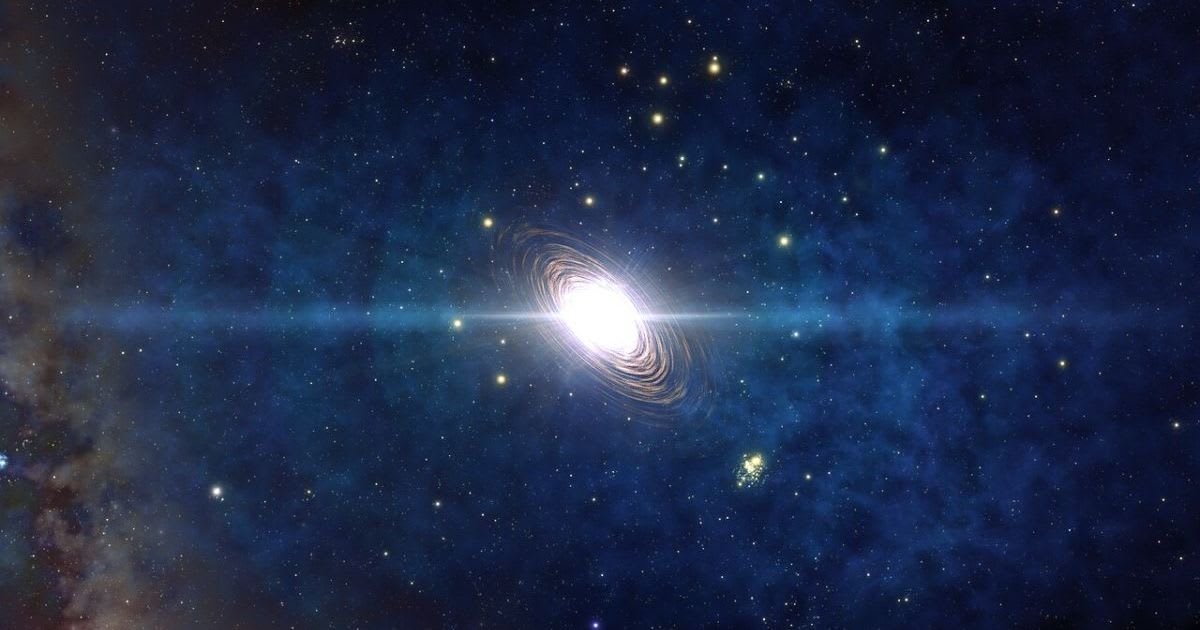
Two independent research teams using the James Webb Space Telescope have discovered what may be the first direct evidence of Population III stars, the universe's original stellar bodies formed just 400 million years after the Big Bang. This groundbreaking find could transform these ancient stars from theory into observed reality.

Google: NASA discovery3 min read
Webb Telescope Finds Universe's First Stars After Decades
InnovationApr 13

Webb Telescope Finds Universe's First Stars After Decades

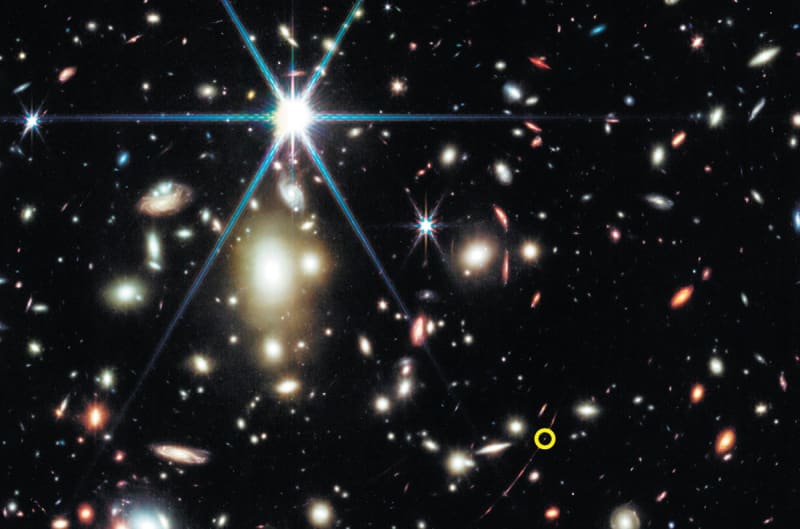
The James Webb Space Telescope has detected the strongest evidence yet for Population III stars, the first generation of stars that illuminated the dark universe. Two independent research teams confirmed the discovery using metal-free chemical signatures from a tiny object near one of the most distant galaxies ever observed.

Google: James Webb telescope3 min read
Ex-NFL Star Robert Griffin III Eyes 2028 Olympic Gold
SportsApr 8

Ex-NFL Star Robert Griffin III Eyes 2028 Olympic Gold

Former Pro Bowl quarterback Robert Griffin III is training for a new kind of championship: representing Team USA in flag football at the 2028 Los Angeles Olympics. The retired NFL star received an invitation to join training camp as the sport makes its Olympic debut.

Fox News Sports2 min read
James Webb Telescope Finds Universe's First Stars
InnovationApr 13

James Webb Telescope Finds Universe's First Stars

Scientists may have finally spotted the universe's very first stars, born just 400 million years after the Big Bang. The James Webb Space Telescope detected these ancient giants in a tiny companion object near one of the early universe's brightest galaxies.

Google: James Webb telescope2 min read
James Webb Telescope May Have Spotted Universe's First Stars
InnovationApr 25

James Webb Telescope May Have Spotted Universe's First Stars

Scientists using NASA's James Webb Space Telescope believe they've found evidence of the very first generation of stars that formed just 400 million years after the Big Bang. These ancient stellar giants, made purely of hydrogen and helium, have never been directly observed before.

Google: James Webb telescope3 min read
James Webb Telescope May Soon Spot Universe's First Stars
InnovationJan 20

James Webb Telescope May Soon Spot Universe's First Stars

The James Webb Space Telescope could soon glimpse the universe's very first stars, ancient giants that exploded billions of years ago and created the building blocks for everything we know today. These cosmic discoveries might even help solve the mystery of dark matter.

Google: James Webb telescope3 min read
Team Vince Wins NBA Rising Stars Championship in LA
SportsFeb 15

Team Vince Wins NBA Rising Stars Championship in LA

The NBA's next generation of stars lit up All-Star Weekend in Los Angeles, with Team Vince taking home the Rising Stars Championship. Philadelphia 76ers rookie VJ Edgecombe led his squad to victory in a thrilling showcase of young talent.

ESPN2 min read
James Webb Spots 'Failed Stars' in Dazzling Cluster
InnovationJan 19

James Webb Spots 'Failed Stars' in Dazzling Cluster

The James Webb Space Telescope captured a stunning portrait of Westerlund 2, a young star cluster just 20,000 light-years away that's home to 3,000 brilliant stars and mysterious brown dwarfs. The breathtaking image reveals not just massive young stars, but also "failed stars" that could unlock secrets about how solar systems form.

Google News - Science3 min read
Webb Telescope Spots 3,000 Baby Stars in Cosmic Nursery
InnovationJan 18

Webb Telescope Spots 3,000 Baby Stars in Cosmic Nursery

The James Webb Space Telescope captured a stunning portrait of Westerlund 2, a young star cluster hosting 3,000 brilliant stars and mysterious "failed stars" called brown dwarfs. This cosmic nursery, located 20,000 light-years away, reveals how stars are born in a continuous cycle of creation.

Live Science2 min read
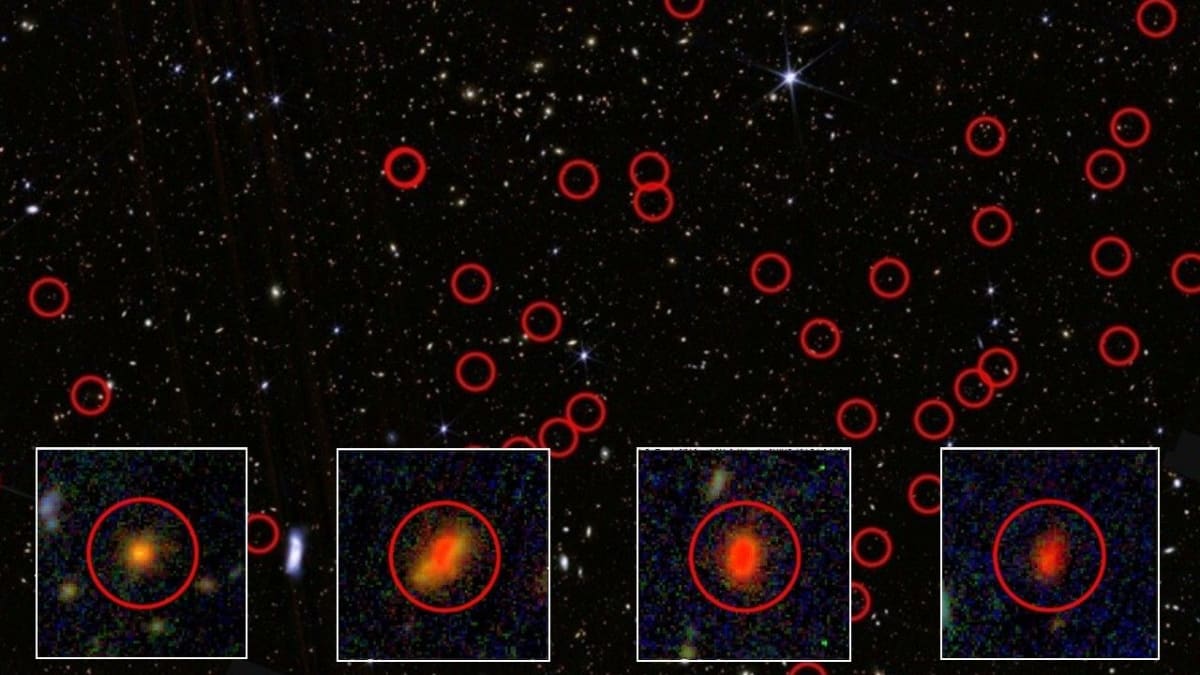
JWST Spots Ancient "Monster Stars" Before Black Hole Birth
InnovationMar 4

JWST Spots Ancient "Monster Stars" Before Black Hole Birth

Astronomers think mysterious red dots captured by the James Webb Space Telescope might be giant stars from the universe's first billion years, caught right before collapsing into black holes. These "monster stars" could help solve one of space science's newest puzzles.

Google: James Webb telescope2 min read
Webb Telescope May Soon Spot Universe's First Stars
InnovationJan 20

Webb Telescope May Soon Spot Universe's First Stars

The James Webb Space Telescope is close to observing the very first stars that ever existed, which could solve mysteries about dark matter and ancient black holes. These dinosaur stars lived fast and died young billions of years ago, creating the building blocks for planets and life.

Scientific American2 min read
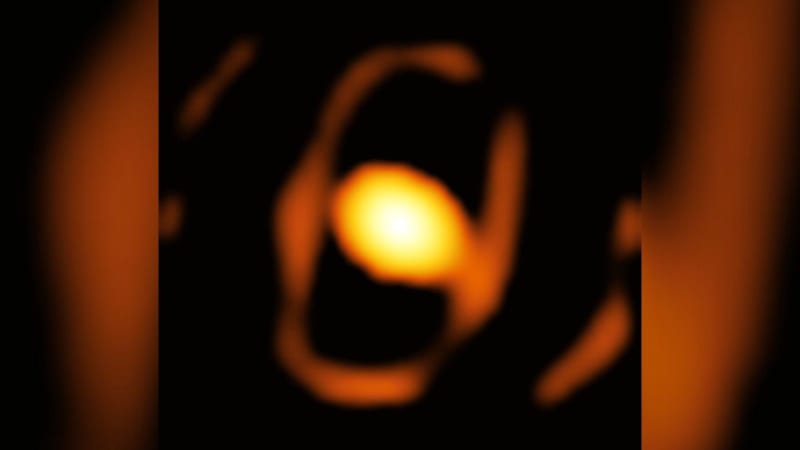
Giant 'Behemoth Star' Is Rising From the Ashes
Planet WinsFeb 5

Giant 'Behemoth Star' Is Rising From the Ashes

A massive star once thought to be on the verge of exploding is actually thriving, new research reveals. Scientists now believe a hidden companion star may be behind the cosmic mystery.

Live Science2 min read
Scientists Find Ancient Star With 1,500x More Carbon Than Sun
InnovationMar 19

Scientists Find Ancient Star With 1,500x More Carbon Than Sun

Astronomers discovered one of the universe's oldest stars, a rare fossil from the second generation of stars ever born. The finding reveals how the first stars shaped the cosmos we see today.

Space.com2 min read
Four Stars Orbit Each Other Closer Than Mercury to Sun
Planet WinsMar 3

Four Stars Orbit Each Other Closer Than Mercury to Sun

Astronomers discovered the tightest quadruple star system ever found, packed so densely the inner three stars could fit inside Mercury's orbit. Scientists even mapped out the system's fate 276 million years into the future.

Space.com2 min read
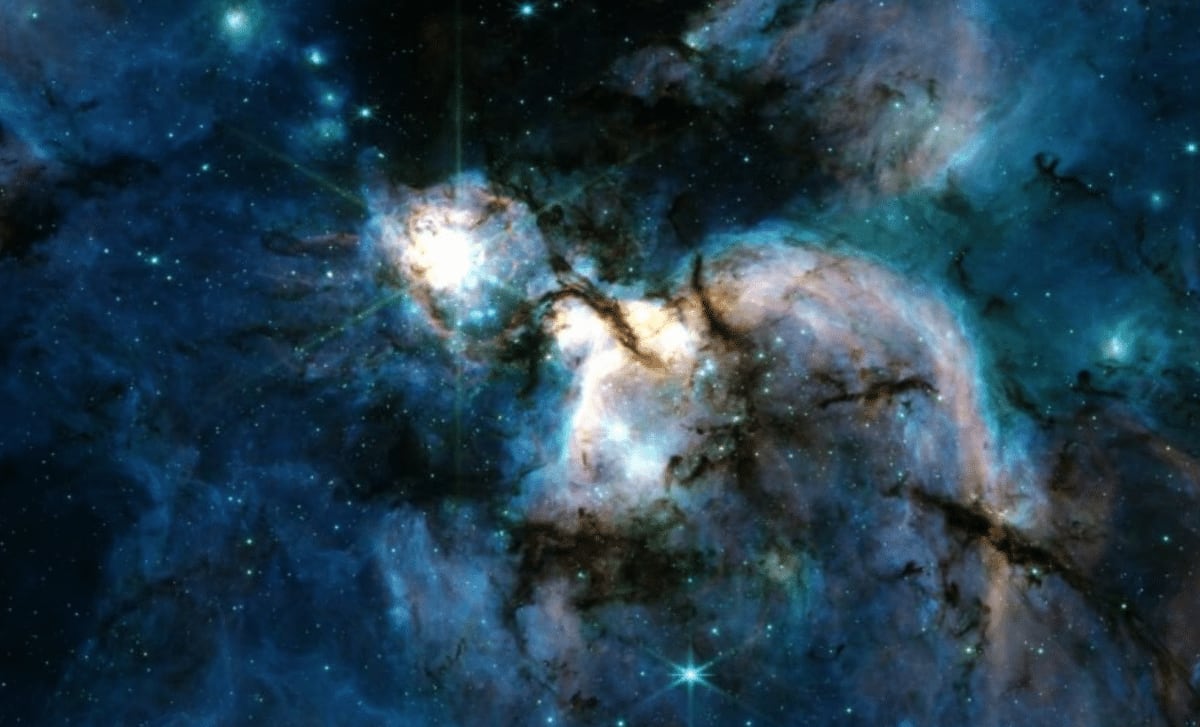
Webb Telescope Reveals Hidden Stars Through Cosmic Dust
InnovationApr 1

Webb Telescope Reveals Hidden Stars Through Cosmic Dust

The James Webb Space Telescope just captured the clearest images ever of baby stars being born in the W51 region, seeing through dust clouds that blocked every telescope before it. Scientists can now watch stars form in real time, answering questions about how massive stars shape our universe.

Google: James Webb telescope2 min read
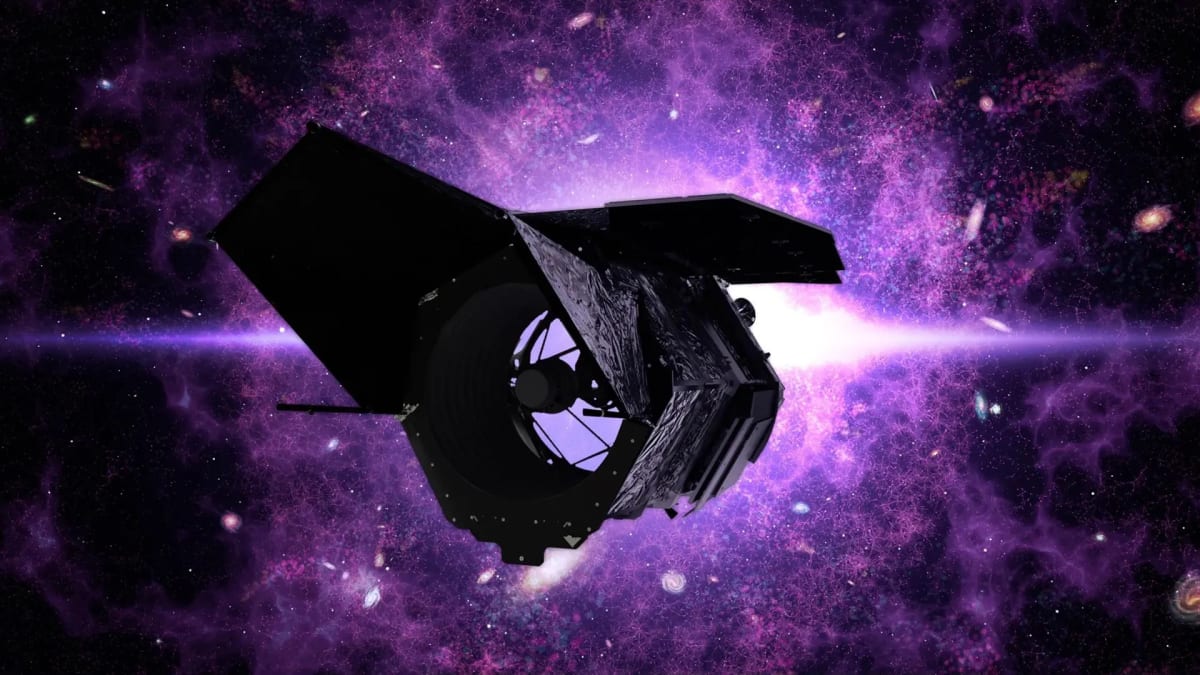
NASA Telescope to Reveal Millions of Hidden Neutron Stars
InnovationMay 15

NASA Telescope to Reveal Millions of Hidden Neutron Stars

NASA's upcoming Roman Space Telescope could finally uncover millions of invisible neutron stars hiding across the Milky Way using gravity as a cosmic detective tool. The breakthrough could answer mysteries about how stars explode and why these objects rocket through space at incredible speeds.

Science Daily3 min read
NBA All-Star Game Gets Competitive With New Format
SportsFeb 16

NBA All-Star Game Gets Competitive With New Format

The NBA's redesigned All-Star Game brought back real competition as young stars battled through a three-team tournament that had players actually trying to win. Anthony Edwards took home MVP honors after USA Stars claimed the championship in a format that finally got athletes excited to play defense.

Japan Times3 min read
Hubble Captures Baby Stars Being Born 160,000 Light-Years Away
InnovationJan 22

Hubble Captures Baby Stars Being Born 160,000 Light-Years Away

The Hubble Space Telescope has captured a stunning view of newborn stars reshaping their cosmic nursery in a neighboring galaxy. The images show us how stars are born and how they transform the clouds that created them.

Space.com2 min read
NASA Finds Rare Triple Star System With Perfect Eclipses
Planet Wins6d ago

NASA Finds Rare Triple Star System With Perfect Eclipses

Scientists discovered a stunning triple star system where all three stars eclipse each other from Earth's view, creating a cosmic light show unlike almost any other in the galaxy. The rare alignment is helping researchers understand how stars are born and evolve together.

Space.com2 min read
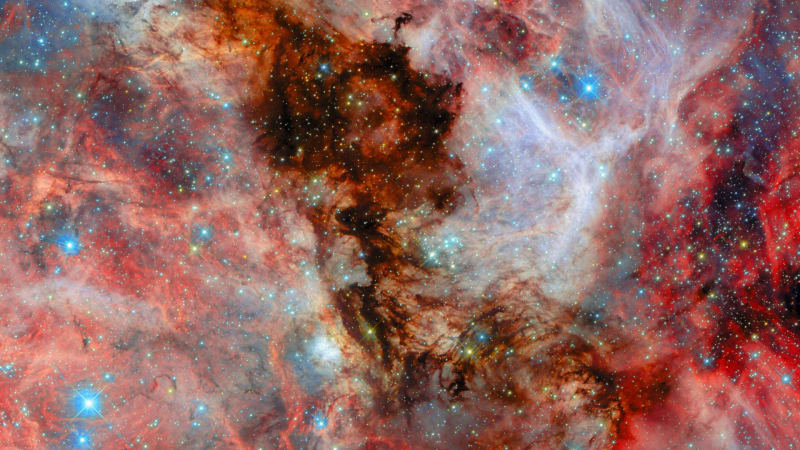
James Webb Captures Stunning "Star Factory" 17,000 Light-Years Away
InnovationApr 1

James Webb Captures Stunning "Star Factory" 17,000 Light-Years Away

The James Webb Space Telescope just revealed breathtaking new images of one of our galaxy's most active star-forming regions, showing never-before-seen details of massive stars being born. What scientists discovered in this cosmic nursery could change how we understand the universe's largest stars.

Google: James Webb telescope3 min read

Showing 20 of 9107