45 results for "space telescope"
🚀 InnovationThe James Webb Space Telescope just revealed that galaxies in the early universe matured shockingly fast, reaching chemical adulthood in less than a billion years. Scientists are calling it like watching toddlers act like teenagers.
🚀 InnovationNew images from the James Webb Space Telescope show galaxies that are just 1 billion years old already packed with heavy elements and spinning like adults. Scientists are stunned by how these cosmic toddlers developed the chemistry and structure of teenagers in record time.
🚀 InnovationFor the first time, astronomers watched a distant planet lose its atmosphere for an entire orbit, revealing a stunning double tail of escaping helium stretching across space. The discovery shows these extreme worlds are even more dynamic than scientists imagined.
🚀 InnovationThe James Webb Space Telescope is close to observing the very first stars that ever existed, which could solve mysteries about dark matter and ancient black holes. These dinosaur stars lived fast and died young billions of years ago, creating the building blocks for planets and life.
🚀 InnovationThis month, you can track four legendary spacecraft on their missions across the solar system just by looking up. From the James Webb Space Telescope to Europa Clipper, these robotic explorers are making history millions of miles from Earth.
🚀 InnovationThe James Webb Space Telescope could soon glimpse the universe's very first stars, ancient giants that exploded billions of years ago and created the building blocks for everything we know today. These cosmic discoveries might even help solve the mystery of dark matter.
🚀 InnovationThe James Webb Space Telescope continues delivering breathtaking images that transform our understanding of the universe, from colliding galaxies to newborn stars hidden in cosmic dust. These recent snapshots showcase discoveries that were invisible to every telescope that came before. #
🚀 InnovationScientists now have the tools to detect signs of life on planets beyond our solar system by analyzing their atmospheres. New space telescopes launching through 2029 will help us answer one of humanity's oldest questions: are we alone?
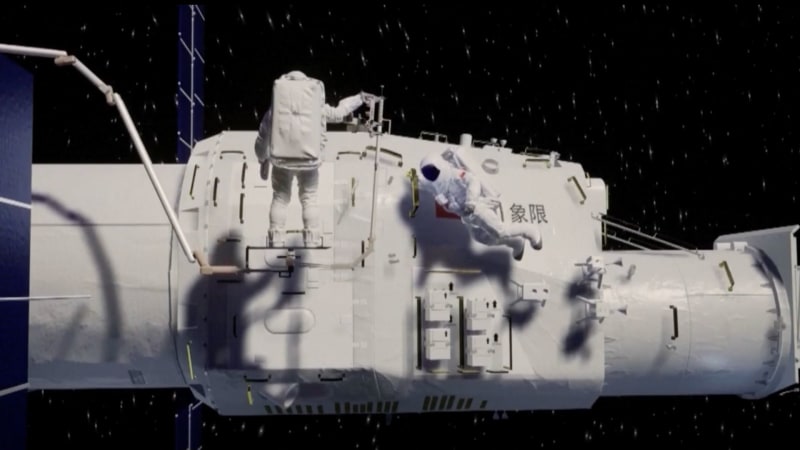
🚀 InnovationChina is preparing to launch a powerful new space telescope in 2027 that will survey the cosmos with 300 times the field of view of the Hubble Space Telescope. The groundbreaking observatory can even dock with China's space station for astronaut repairs and upgrades.
🚀 InnovationThe James Webb Space Telescope has delivered the clearest image ever of a supermassive black hole's dusty feeding disk, solving a decades-old mystery about where the intense glow around these cosmic giants actually comes from. The breakthrough reveals how black holes grow and shape entire galaxies.
🌐 Global NewsThis January, stargazers can locate four legendary spacecraft exploring our solar system by finding their positions among the constellations. From the James Webb Space Telescope to missions heading toward Jupiter, these robotic explorers are making history millions of miles from home.
🚀 InnovationThe James Webb Space Telescope captured the sharpest view ever of a supermassive black hole's surrounding disk, solving a decades-old mystery about where the glow comes from. Scientists can now see twice as clearly into the heart of distant galaxies, opening new doors to understanding how black holes grow and shape the universe. #
🚀 InnovationChina is preparing to launch a bus-sized space telescope in 2027 that will revolutionize sky surveys with a field of view 300 times larger than Hubble's. The Xuntian telescope will explore everything from distant galaxies to dark matter while astronauts can service it in orbit.
🚀 InnovationScientists using the James Webb Space Telescope spotted a supernova whose light is taking multiple paths through space, with some images arriving now and others delayed by six decades. This cosmic phenomenon could finally help solve one of astronomy's biggest mysteries about how fast the universe is expanding.
🚀 InnovationThe James Webb Space Telescope captured a stunning portrait of Westerlund 2, a young star cluster just 20,000 light-years away that's home to 3,000 brilliant stars and mysterious brown dwarfs. The breathtaking image reveals not just massive young stars, but also "failed stars" that could unlock secrets about how solar systems form.
NASA's James Webb Space Telescope has captured never-before-seen infrared light from a black hole, giving scientists their clearest view yet of these mysterious cosmic giants. The groundbreaking images are helping researchers understand the structure of objects that were once impossible to study in such detail.
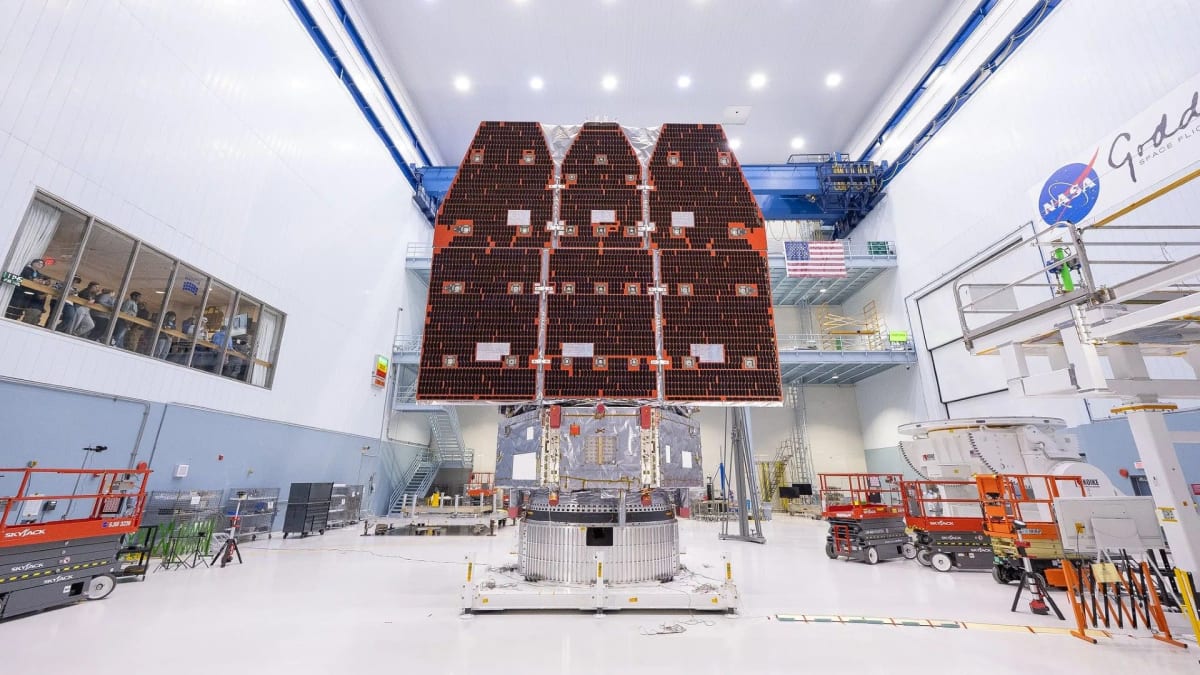
🚀 InnovationA new NASA telescope launched to help scientists solve a major problem blocking our search for life on distant planets. Pandora will work alongside the James Webb Space Telescope to filter out confusing signals from stars and get clearer readings of alien worlds.
🚀 InnovationA new NASA telescope just launched to solve a major problem blocking our search for life on distant planets. Pandora will help scientists see through stellar interference that's been confusing data from the James Webb Space Telescope.
🌍 Planet WinsThe Hubble Space Telescope just captured a baby star blasting out the fastest and longest jet ever observed, traveling at 2.2 million miles per hour and stretching 32 light-years through space. The discovery shows that even after 36 years, Hubble keeps revealing cosmic wonders that help us understand how stars are born.
🚀 InnovationThe James Webb Space Telescope captured a stunning portrait of Westerlund 2, a young star cluster hosting 3,000 brilliant stars and mysterious "failed stars" called brown dwarfs. This cosmic nursery, located 20,000 light-years away, reveals how stars are born in a continuous cycle of creation.
Showing 20 of 45