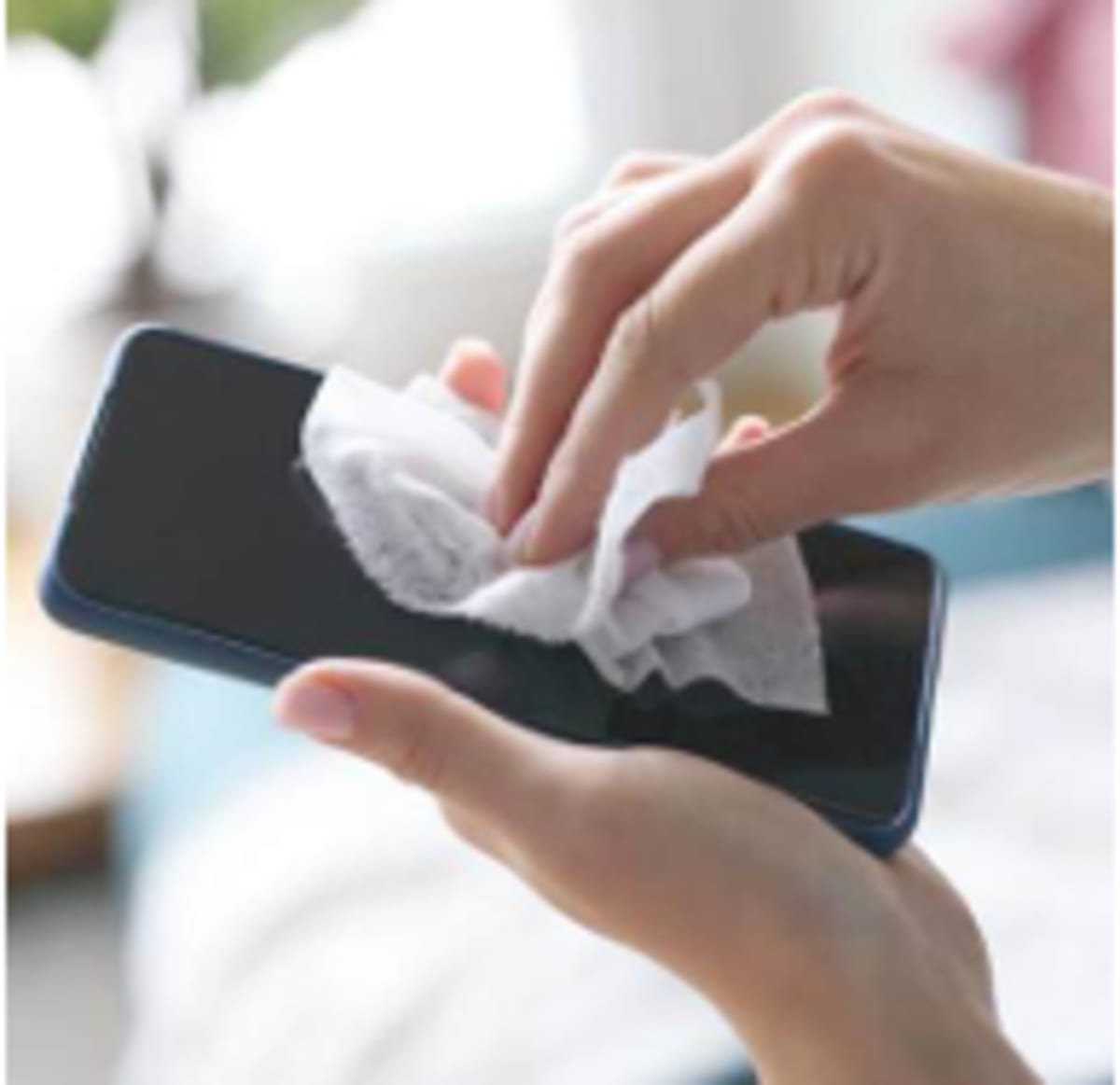
New 5-Minute Phone Test Detects Bacteria on Any Surface
Scientists created a smartphone tool that spots harmful bacteria in just five minutes, no lab needed. The breakthrough could help hospitals, restaurants, and gyms keep people safer.
Find uplifting stories about heroes, innovations, and solutions
4252 results for "bacteria detection"
Scientists created a smartphone tool that spots harmful bacteria in just five minutes, no lab needed. The breakthrough could help hospitals, restaurants, and gyms keep people safer.
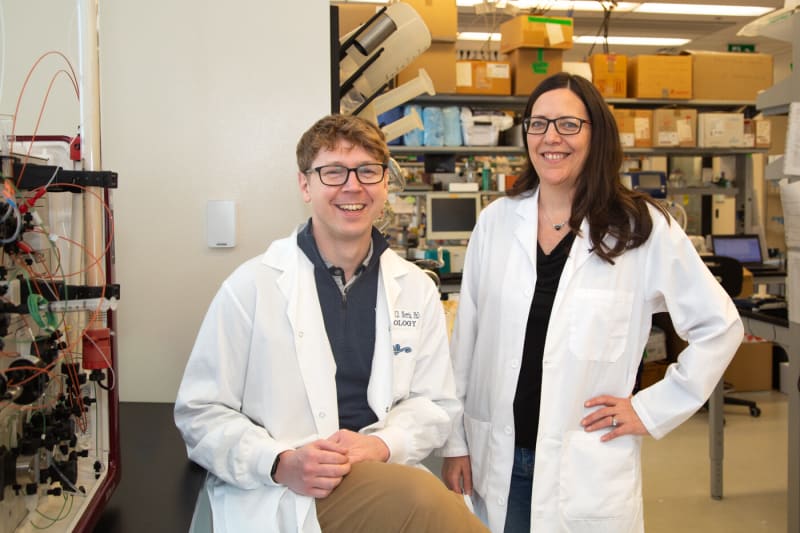
University of Toronto researchers discovered a single protein that both detects and destroys viruses infecting bacteria, potentially revolutionizing how we fight infections. This compact defender could help develop safer treatments for antibiotic-resistant diseases.

Scientists found that simple blood or stool tests measuring gut health could spot dementia risk years earlier than traditional brain scans. The discovery offers hope for catching cognitive decline when treatments work best.
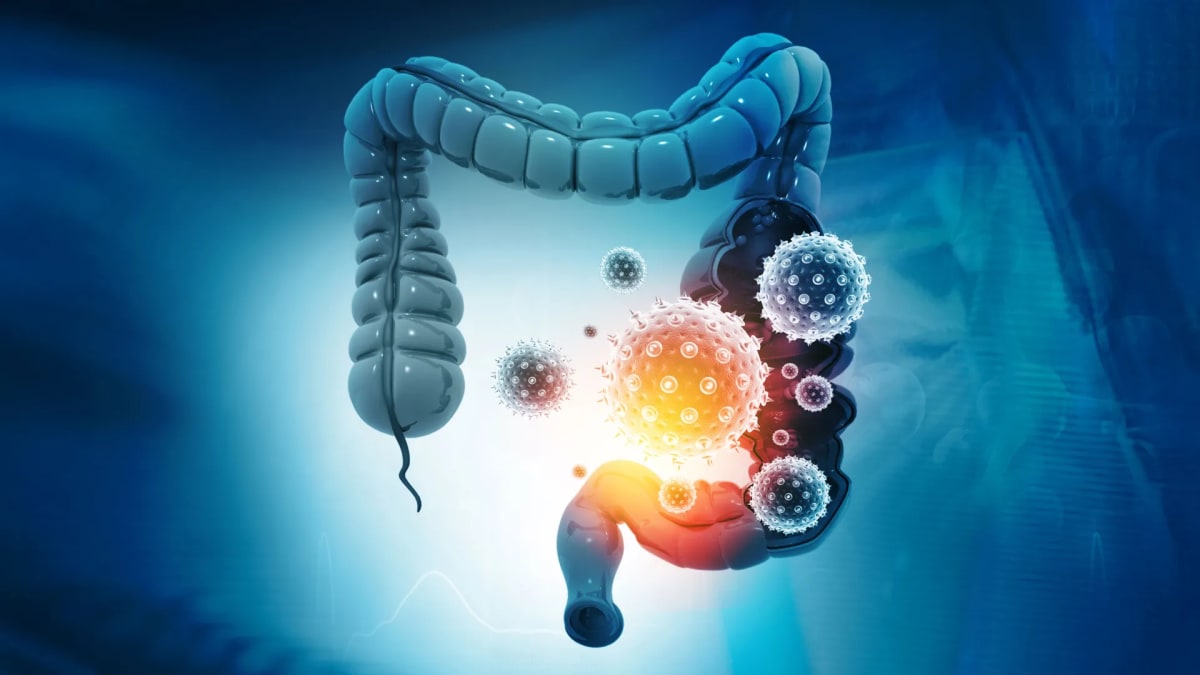
Scientists have developed a simple stool test that detects 90% of colorectal cancers by analyzing gut bacteria patterns, nearly matching colonoscopy accuracy without the invasive procedure. The breakthrough could make life-saving screening accessible to millions who avoid traditional testing.
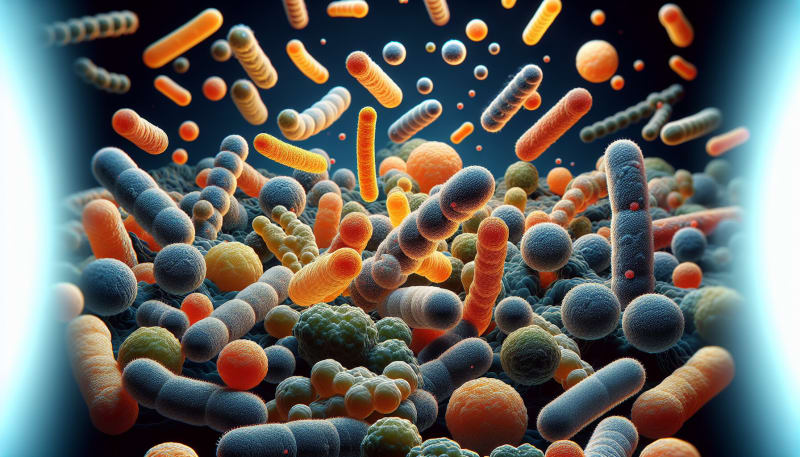
Researchers at the University of British Columbia have engineered glowing gut bacteria that detect disease before symptoms appear. The breakthrough could transform how doctors monitor and treat digestive illnesses.
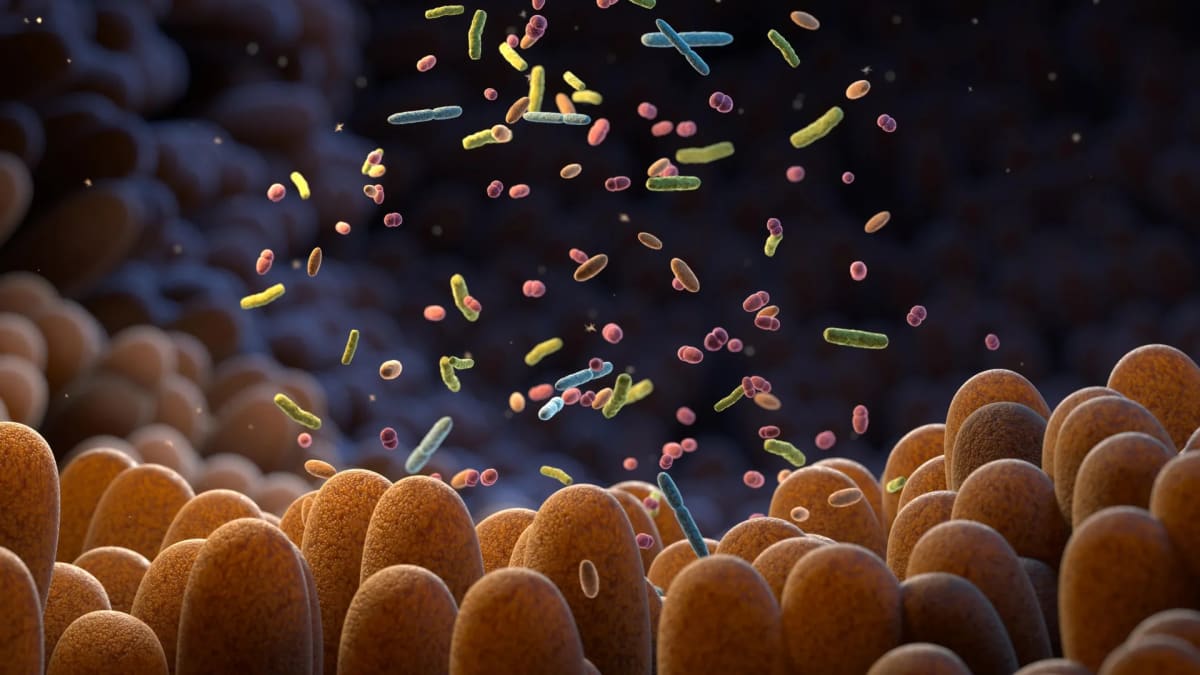
Scientists used artificial intelligence to discover shared biological markers in gut bacteria that could detect digestive cancers and diseases before symptoms appear. This breakthrough could replace invasive tests with simple, early screenings that save lives.

Scientists discovered two gut bacteria that produce serotonin and normalize digestion in mice, opening new paths to treat irritable bowel syndrome. People with IBS have lower levels of one of these bacteria.
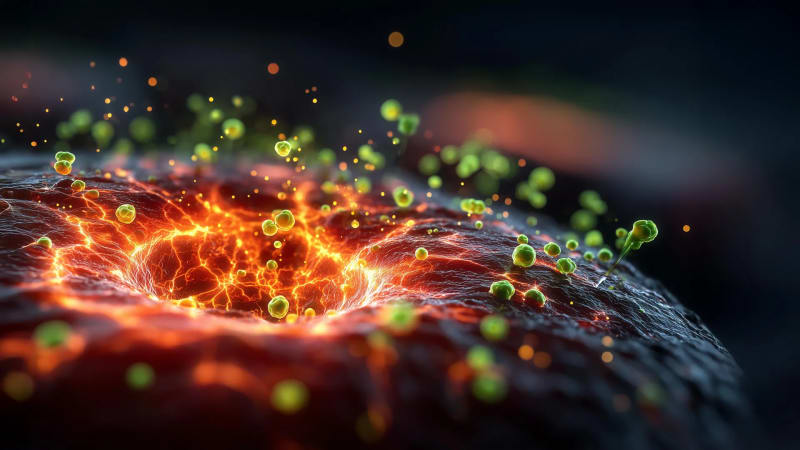
Researchers at the University of Waterloo have engineered bacteria that naturally thrive without oxygen to invade and consume cancer tumors from their oxygen-starved cores. The breakthrough includes a safety switch that only activates the bacteria's survival mechanism when enough have gathered inside the tumor, preventing them from spreading to healthy tissue.

A new imaging technology developed in Australia can detect both cancer and industrial contaminants, earning a massive $72 million investment. The breakthrough could transform early cancer detection while boosting mining safety.
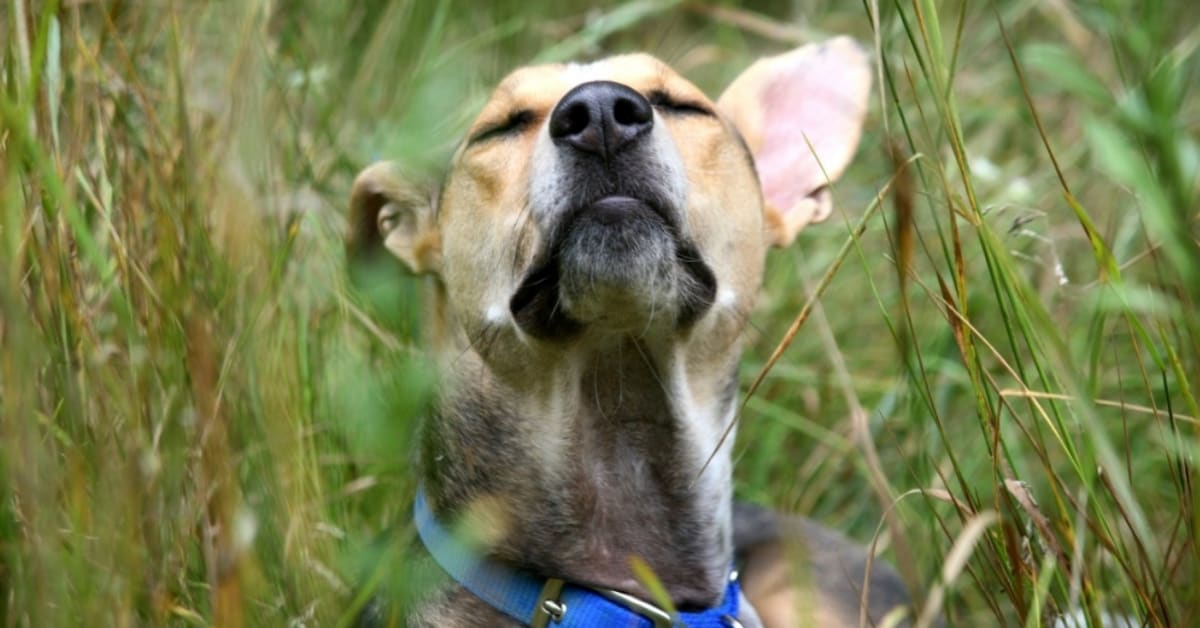
Two dogs trained by Medical Detection Dogs can sniff out Parkinson's disease with up to 80% accuracy, years before any symptoms appear. This breakthrough could lead to early detection tests that help patients start treatment sooner.
Scientists have developed a blood test that can detect more than 50 types of cancer using a single sample. The screening tool identifies abnormal DNA fragments in the bloodstream, potentially revolutionizing early cancer detection and saving countless lives.

Scientists discovered millions of bacteria living in fog droplets that actively grow, multiply, and consume pollutants like formaldehyde. This microscopic ecosystem could be quietly improving air quality in ways we never understood before.
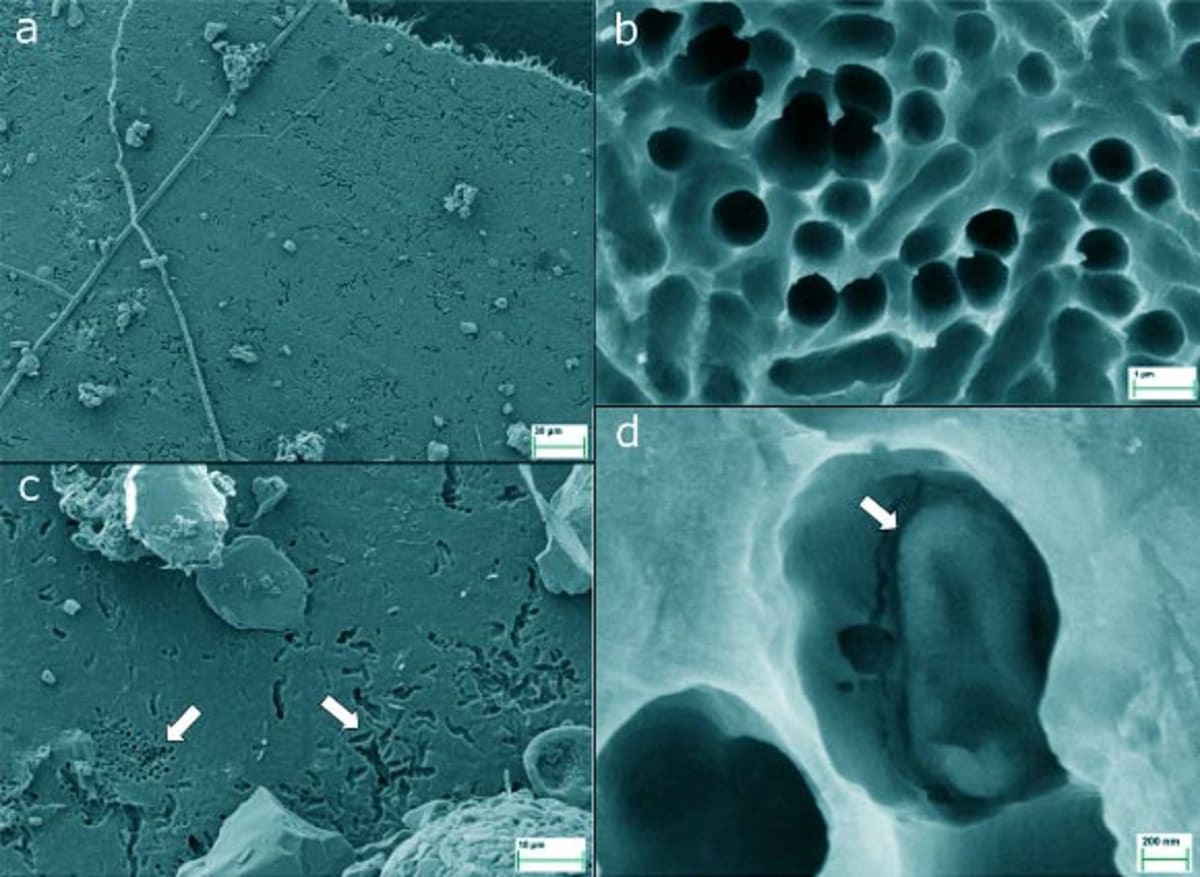
Scientists discovered a powerful enzyme in forest soil bacteria that can dismantle both plant-based plastic and penicillin-type antibiotics. The breakthrough suggests nature is adapting faster than expected to help solve our plastic pollution crisis.
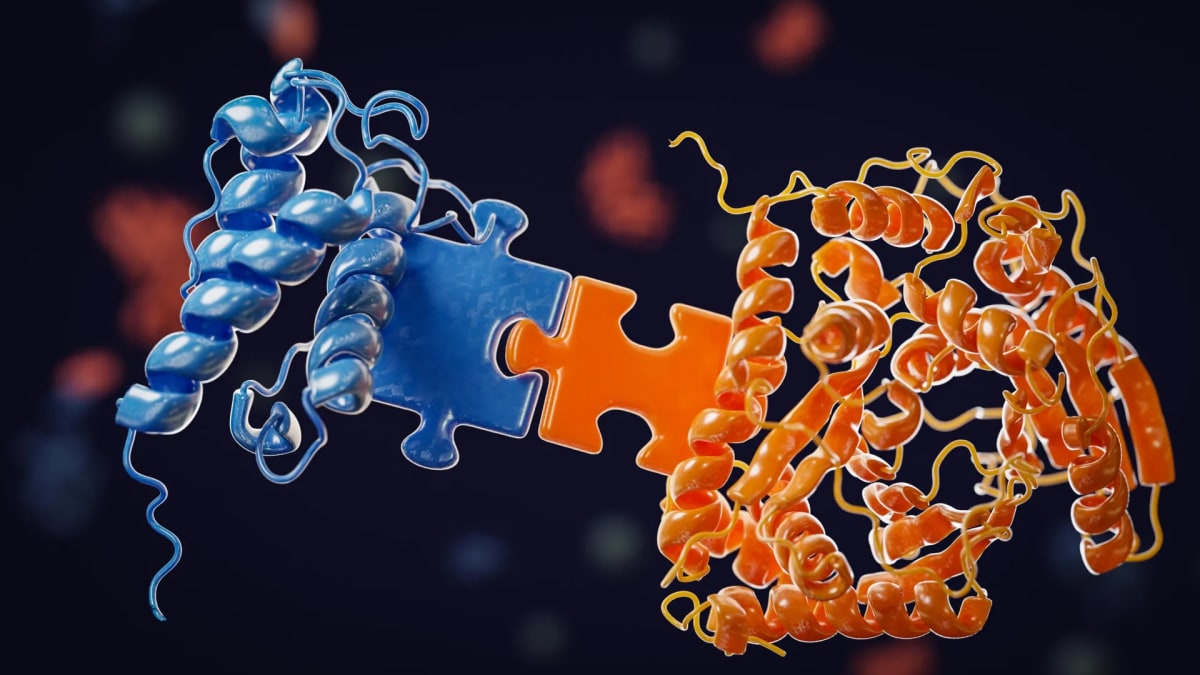
Researchers have cracked the code for how bacteria naturally produce powerful cancer drugs, potentially speeding development of new treatments. The breakthrough could help create better versions of existing cancer medicines with fewer side effects.
German scientists discovered three bacteria species working together to digest toxic plastic chemicals that single microbes couldn't handle. The cooperative "consortium" breaks down harmful phthalates found in everyday products, opening new doors for cleaning up plastic pollution.

Scientists discovered that living bacteria inside fog droplets actively break down air pollutants like formaldehyde, transforming our understanding of fog from sterile mist to a helpful ecosystem. These tiny air cleaners grow and multiply while purifying the air we breathe.

University of Minnesota researchers discovered how to prevent gum disease by disrupting bacterial "conversations" rather than destroying bacteria. The breakthrough could reshape how we treat infections throughout the body.

Scientists discovered living bacteria inside fog droplets that actively eat formaldehyde and other air pollutants while floating in the atmosphere. Nature might have its own microscopic air purification system working above our heads.
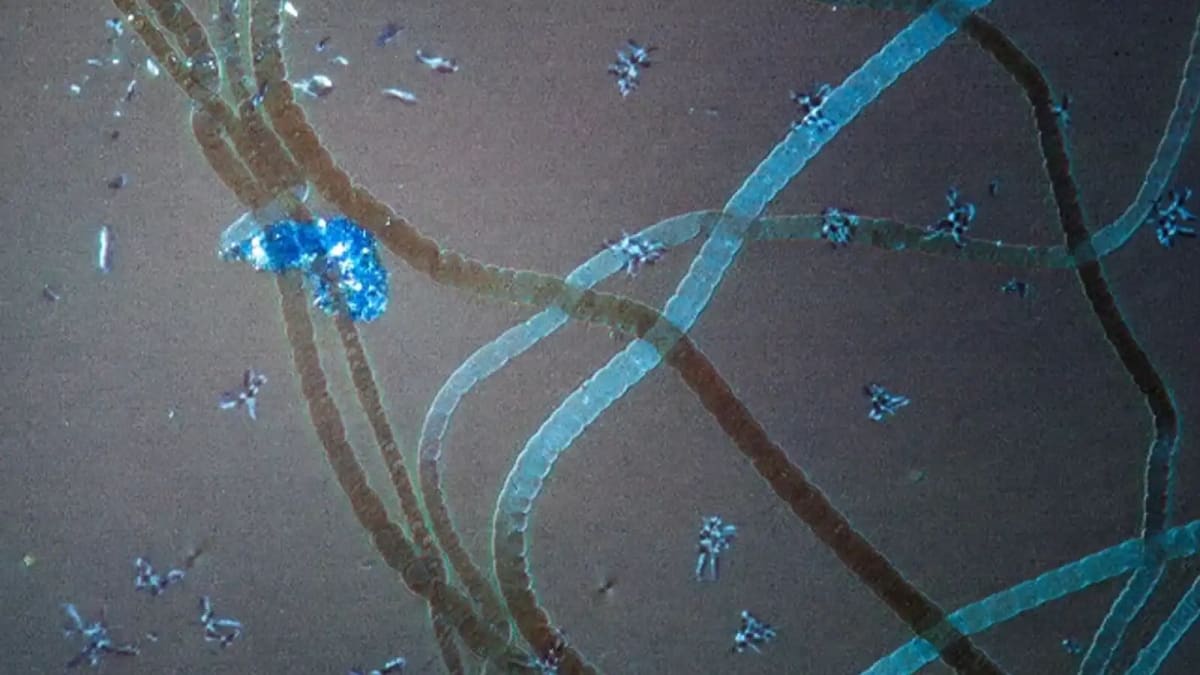
Scientists discovered aquatic bacteria that build microscopic electrical cables from nickel and sulfur, conducting electricity across distances 1,000 times their body length. The natural design mirrors modern smartphone charging cables but evolved 600 million years ago.
Scientists used artificial intelligence to discover shared gut bacteria patterns that could diagnose multiple digestive cancers and diseases earlier, without invasive procedures. The breakthrough could transform how doctors catch serious conditions before they progress.
Showing 20 of 4252