Search

Find uplifting stories about heroes, innovations, and solutions

18 results for "lhs 1140b"

Scientists Spot Planet Keeping Its Atmosphere Against All Odds
Innovation2h ago

Scientists Spot Planet Keeping Its Atmosphere Against All Odds

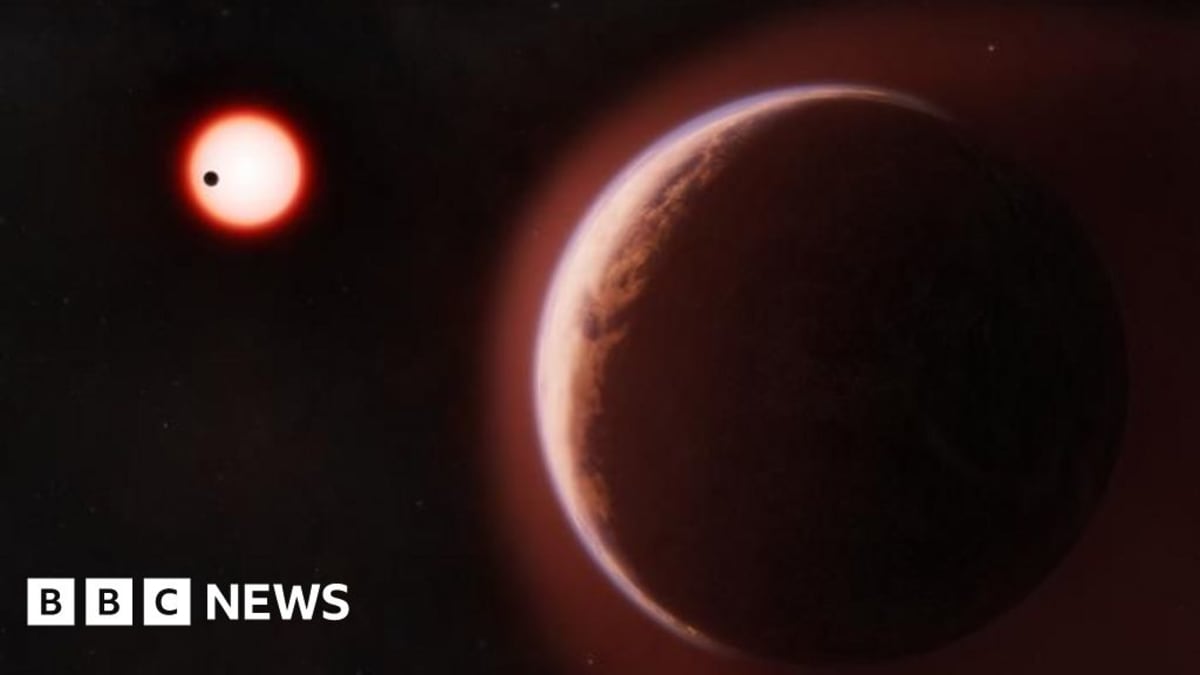
A rocky planet 50 light-years away is losing helium but keeping heavier gases, giving scientists hope it might still have a breathable atmosphere after billions of years. This discovery helps us understand how planets like Earth hold onto their air.

Ars Technica Science3 min read
James Webb Reveals Dark, Airless 'Super-Earth' 48 Light-Years Away
InnovationMay 6

James Webb Reveals Dark, Airless 'Super-Earth' 48 Light-Years Away

The James Webb Space Telescope just gave us our clearest look yet at a rocky planet beyond our solar system. What scientists found on LHS 3844 b reveals how diverse and fascinating distant worlds can be.

Google: James Webb telescope3 min read
Rocky Planet 48 Light Years Away Has Atmosphere for Life
Innovation2h ago

Rocky Planet 48 Light Years Away Has Atmosphere for Life

For the first time ever, scientists have found a rocky planet in the habitable zone with an atmosphere that could support life. The planet, located just 48 light years away, has all three essential ingredients: solid surface, the right temperature for liquid water, and protective skies.

Google News - Scientists Discover2 min read
James Webb Maps Rocky Super-Earth's Surface for First Time
InnovationMay 9

James Webb Maps Rocky Super-Earth's Surface for First Time

NASA's James Webb Space Telescope just delivered the most detailed look ever at the surface of a rocky planet outside our solar system. The breakthrough technique will help scientists search for atmospheres and potential life on distant worlds.

Google: James Webb telescope3 min read
Scientists Find 'Backwards' Solar System 116 Light-Years Away
InnovationFeb 13

Scientists Find 'Backwards' Solar System 116 Light-Years Away

Astronomers discovered a solar system that breaks all the rules of planet formation, with rocky planets sandwiching gas giants in a pattern never seen before. The finding could rewrite our understanding of how planets form around the most common stars in the universe.

Google News - Science3 min read
Webb Telescope Maps Surface of Rocky Planet 48 Light-Years Away
InnovationMay 6

Webb Telescope Maps Surface of Rocky Planet 48 Light-Years Away

Scientists just studied the actual surface of a distant rocky planet for the first time, opening a new frontier in understanding worlds beyond our solar system. The scorching super-Earth reveals clues about how planets form and evolve.

Science Daily3 min read
Scientists Find 'Inside Out' Planetary System
InnovationFeb 13

Scientists Find 'Inside Out' Planetary System

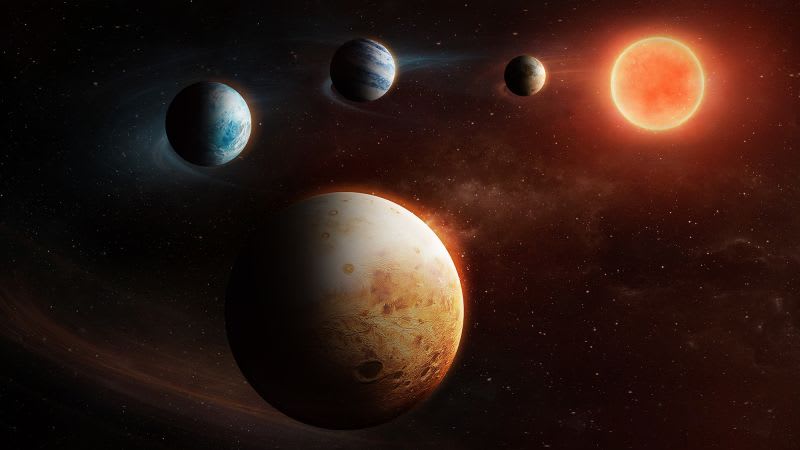
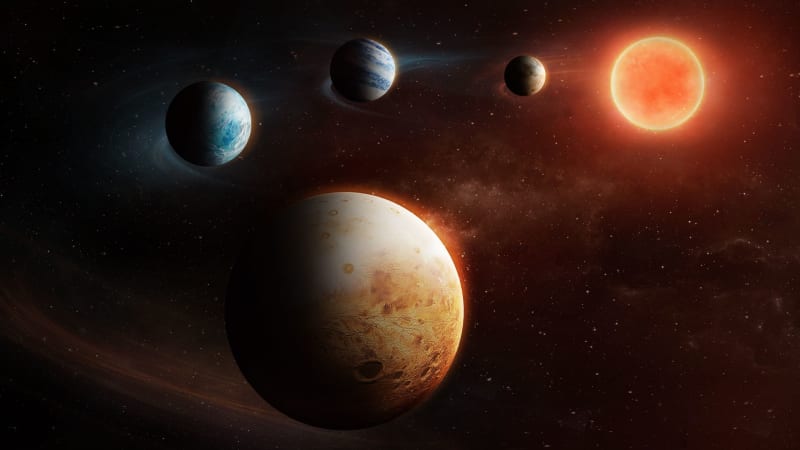
Astronomers discovered four planets orbiting a small star in a pattern never seen before: rocky, gaseous, gaseous, then rocky again. The find challenges everything scientists thought they knew about how planets form around stars.

Space.com3 min read
Webb Telescope Maps Surface of Distant Super-Earth
InnovationMay 8

Webb Telescope Maps Surface of Distant Super-Earth

The James Webb Space Telescope just revealed the surface details of a planet 50 light-years away without ever sending a probe. Scientists can now map the terrain and mineral makeup of distant rocky worlds using advanced infrared spectroscopy.

Google: James Webb telescope2 min read
Rocky Planet 116 Light-Years Away Rewrites Formation Rules
InnovationFeb 14

Rocky Planet 116 Light-Years Away Rewrites Formation Rules

Scientists discovered a solar system that flips our understanding of how planets form, with a rocky planet orbiting beyond gas giants in a pattern never seen before. The finding could reshape what we know about planetary birth around the universe's most common stars.

Google News - Science2 min read
Webb Telescope Reveals Super-Earth Looks Like Mercury
InnovationMay 8

Webb Telescope Reveals Super-Earth Looks Like Mercury

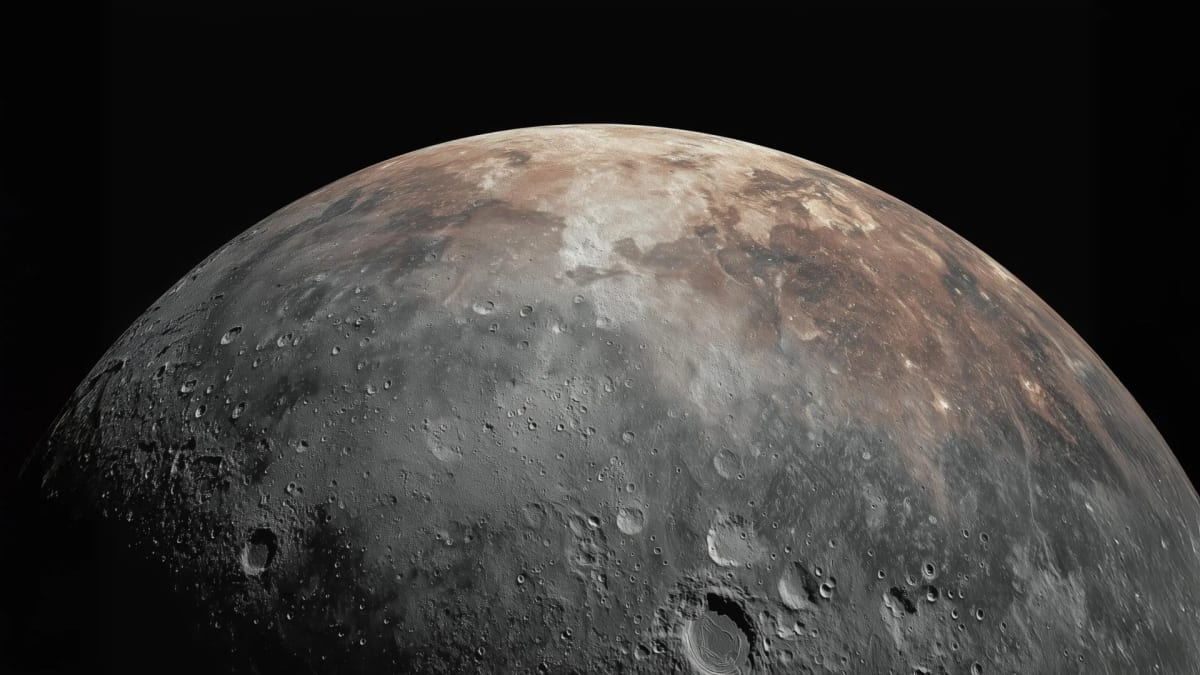
Scientists used the James Webb Space Telescope to study a rocky planet's surface for the first time, discovering it resembles a larger, darker version of Mercury. The breakthrough opens a new chapter in understanding what planets beyond our solar system are actually made of.

Google: James Webb telescope2 min read
Webb Telescope Maps Rocky Exoplanet 48 Light-Years Away
InnovationMay 6

Webb Telescope Maps Rocky Exoplanet 48 Light-Years Away

Scientists using NASA's James Webb Space Telescope have successfully mapped the surface of a distant rocky planet for the first time, revealing a Moon-like world that could unlock secrets about how planets form. This breakthrough shows we can now study the geology of worlds beyond our solar system.

Google: James Webb telescope2 min read
Webb Telescope Sees Surface of Rocky Planet 49 Light-Years Away
InnovationMay 6

Webb Telescope Sees Surface of Rocky Planet 49 Light-Years Away

For the first time ever, scientists have directly observed the surface of a rocky planet beyond our solar system. The scorching world looks more like Mercury than Earth, but the breakthrough shows we can now study distant planets in stunning detail.

Google: James Webb telescope2 min read
Inside-Out Planet System Rewrites Formation Rulebook
Planet WinsFeb 13

Inside-Out Planet System Rewrites Formation Rulebook

Astronomers discovered a rare planetary system that formed backward, with rocky planets at the edge instead of the center. The find shows the universe creates worlds in more diverse ways than we ever imagined.

New Scientist3 min read
Webb Telescope Sees Mercury-Like Planet 48 Light-Years Away
InnovationMay 7

Webb Telescope Sees Mercury-Like Planet 48 Light-Years Away

NASA's James Webb Space Telescope just gave us our first direct look at a rocky exoplanet's surface, and it's a scorching world that resembles Mercury more than Earth. The breakthrough shows scientists can now study distant planets in ways never before possible.

Google: James Webb telescope3 min read
Scientists Map New Path to Finding Life Beyond Earth
InnovationMay 21

Scientists Map New Path to Finding Life Beyond Earth

After JWST found several barren planets, astronomers aren't giving up. Two new missions launching by 2040 offer real hope for detecting life on distant worlds.

Google: James Webb telescope2 min read
Scientists Identify 45 Planets That Could Harbor Life
Global NewsMar 25

Scientists Identify 45 Planets That Could Harbor Life

Astronomers have narrowed down 6,000 known planets to just 45 rocky worlds where alien life might exist. Some of the most promising candidates are only dozens of light-years away.

Science Daily2 min read
Four Planets Challenge How We Think Worlds Form
InnovationFeb 21

Four Planets Challenge How We Think Worlds Form

Astronomers discovered a puzzling solar system 116 light-years away where a rocky planet orbits farthest from its star, defying expectations and offering fresh clues about how planets come to be. This rare finding could rewrite what we know about planetary birth.

Sky & Telescope3 min read
Webb Telescope Reveals Rocky Exoplanet Surface in Detail
InnovationMay 8

Webb Telescope Reveals Rocky Exoplanet Surface in Detail

NASA's James Webb Space Telescope captured the clearest view yet of an exoplanet's surface, marking a breakthrough in space exploration. Scientists can now study distant worlds with unprecedented clarity, opening new doors to understanding planets beyond our solar system.

Google: James Webb telescope3 min read