Search

Find uplifting stories about heroes, innovations, and solutions

3630 results for "rogue planets"

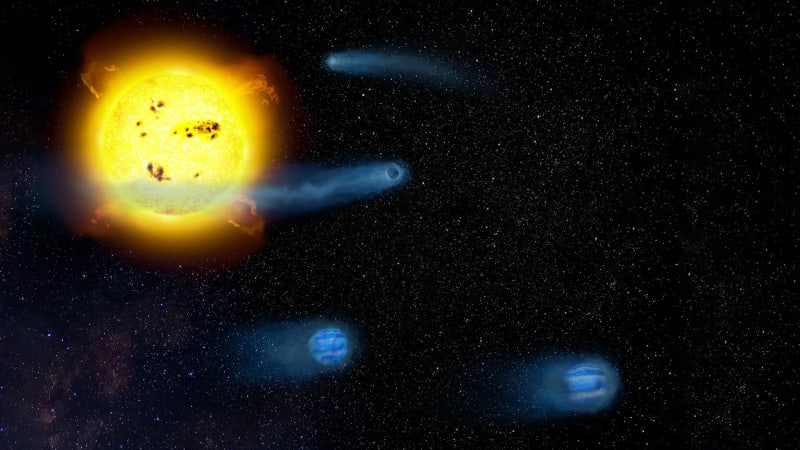
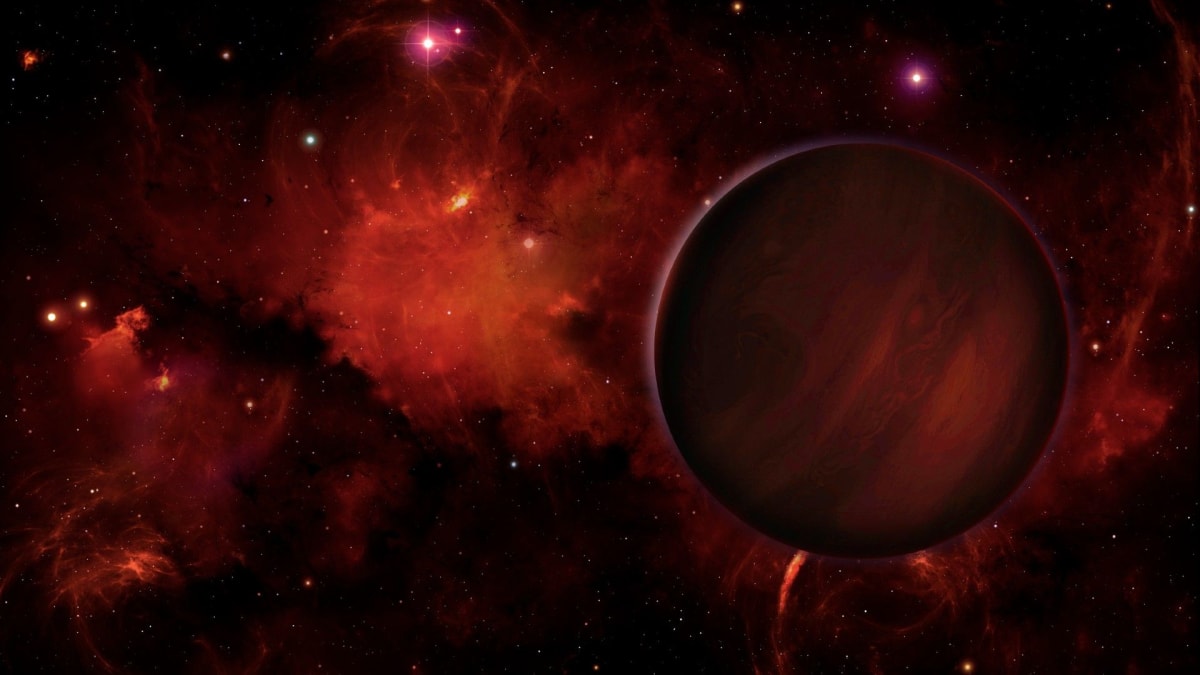
Rogue Planet Moons Could Host Life for 4 Billion Years
InnovationMar 17

Rogue Planet Moons Could Host Life for 4 Billion Years

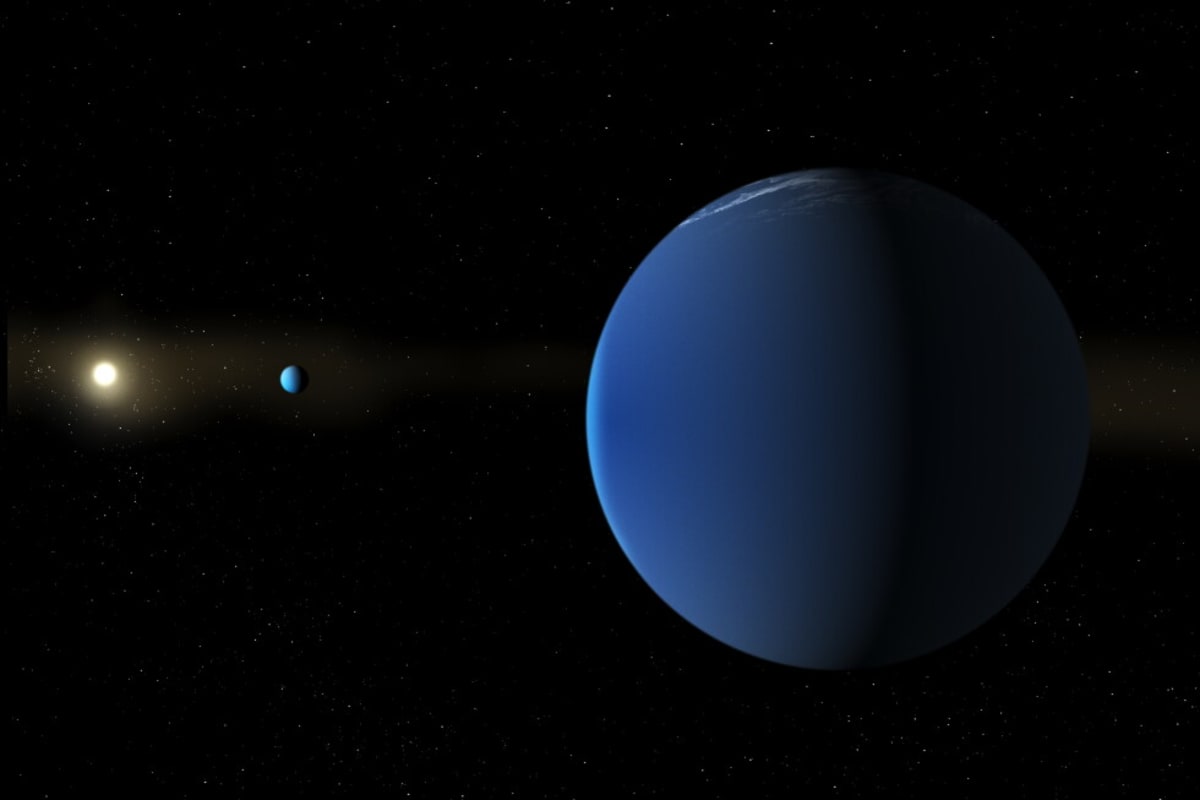
Scientists discovered that moons orbiting starless planets drifting through space could stay warm enough for life for billions of years. A thick hydrogen atmosphere might trap heat and support liquid water even in the darkest corners of our galaxy.
Space.com2 min read
NASA Telescope to Find 100,000 New Planets by 2032
InnovationMay 30

NASA Telescope to Find 100,000 New Planets by 2032

NASA's newest space telescope will discover more planets in five years than humanity has found in all of history combined. The Roman Space Telescope, launching in 2027, will also create the first real census of mysterious rogue planets drifting through space without stars.

Google News - Science3 min read
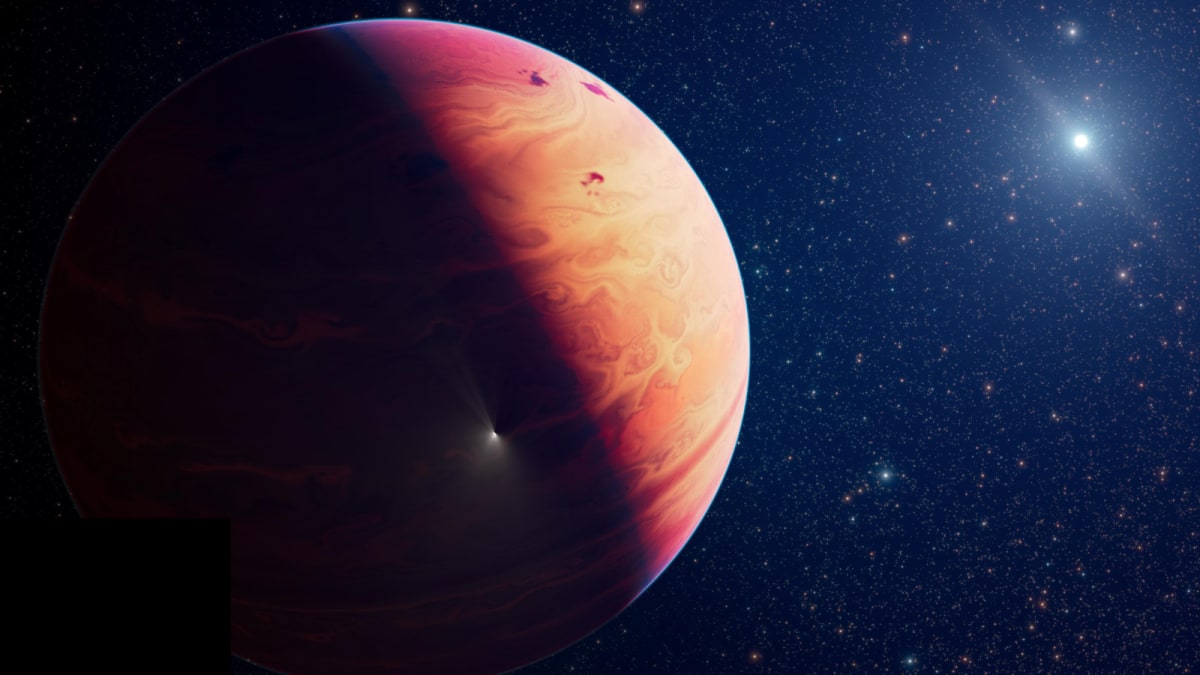
Lonely Rogue Planets May Harbor Life on Hidden Moons
Planet WinsMar 21

Lonely Rogue Planets May Harbor Life on Hidden Moons

Scientists discovered that moons orbiting rogue planets drifting through dark space could stay warm enough for liquid water for billions of years. Thick hydrogen atmospheres and internal heating might create perfect conditions for life in the universe's loneliest places.

Google News - Science3 min read
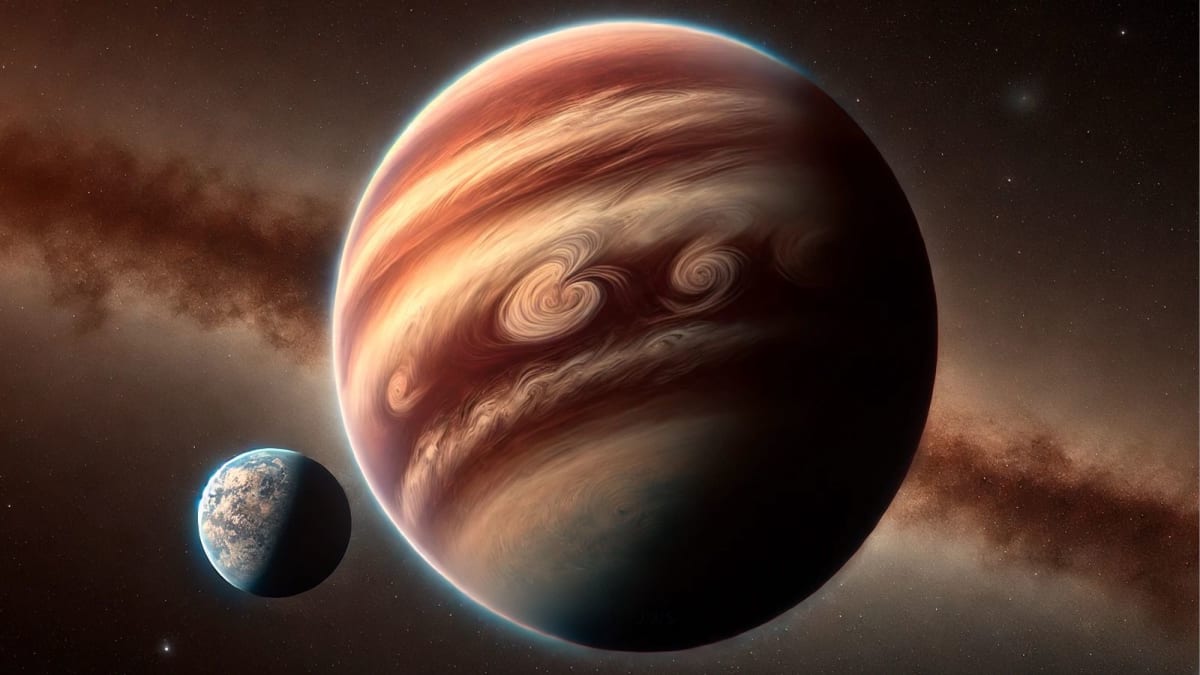
Rogue Planets' Moons Could Harbor Life for Billions of Years
Planet WinsMar 22

Rogue Planets' Moons Could Harbor Life for Billions of Years

Scientists discovered that moons orbiting lonely, star-less planets drifting through space might stay warm enough for liquid water for over 4 billion years. Thick hydrogen atmospheres and internal heating could make these seemingly desolate worlds surprisingly hospitable.

Space.com2 min read
Webb Telescope Finds Paired Rogue Planets in New Region
InnovationMay 28

Webb Telescope Finds Paired Rogue Planets in New Region

Astronomers discovered two pairs of Jupiter-sized planets floating through space without a star, strengthening evidence that these mysterious objects are real. The finding comes from a different region of the Milky Way than previous discoveries.

Google: James Webb telescope3 min read
Hubble Finds Giant 'Chaotic' Planet Nursery 400B Miles Wide
InnovationMay 12

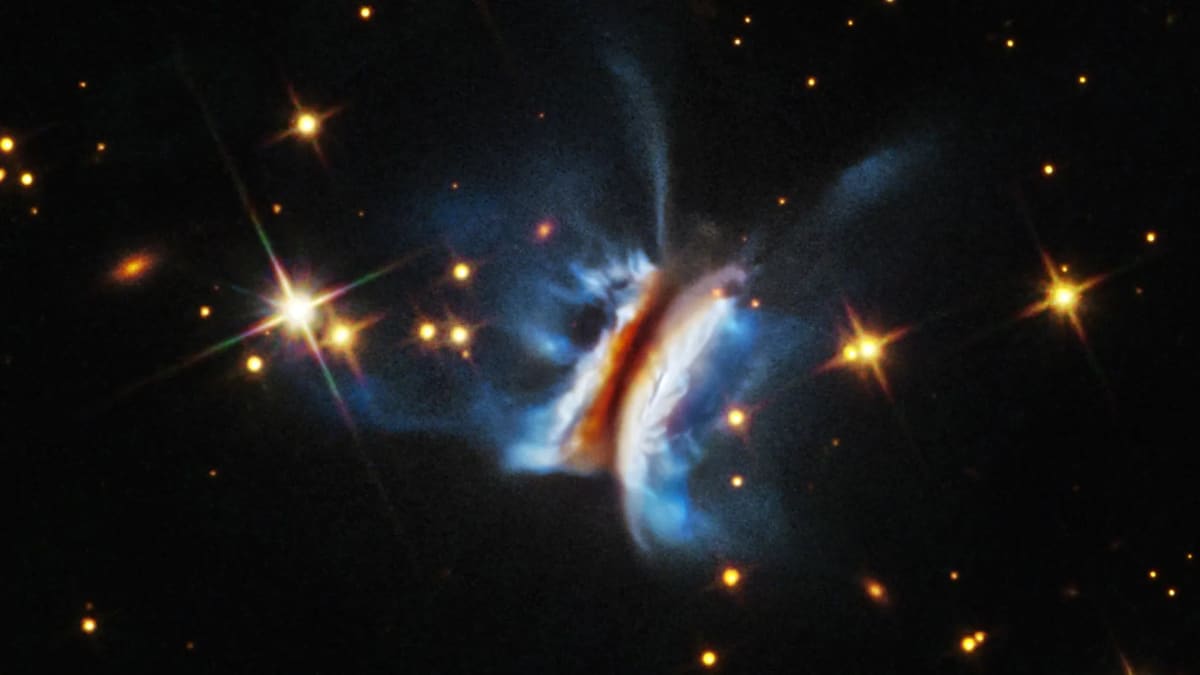
Hubble Finds Giant 'Chaotic' Planet Nursery 400B Miles Wide

NASA's Hubble telescope discovered the largest planet-forming disk ever seen, stretching 400 billion miles across with bizarre one-sided structures that could rewrite our understanding of how planets are born. The massive disk contains enough material to create multiple giant planets.

Science Daily3 min read
Webb Telescope Spots Possible Planet Being Born
InnovationApr 9

Webb Telescope Spots Possible Planet Being Born

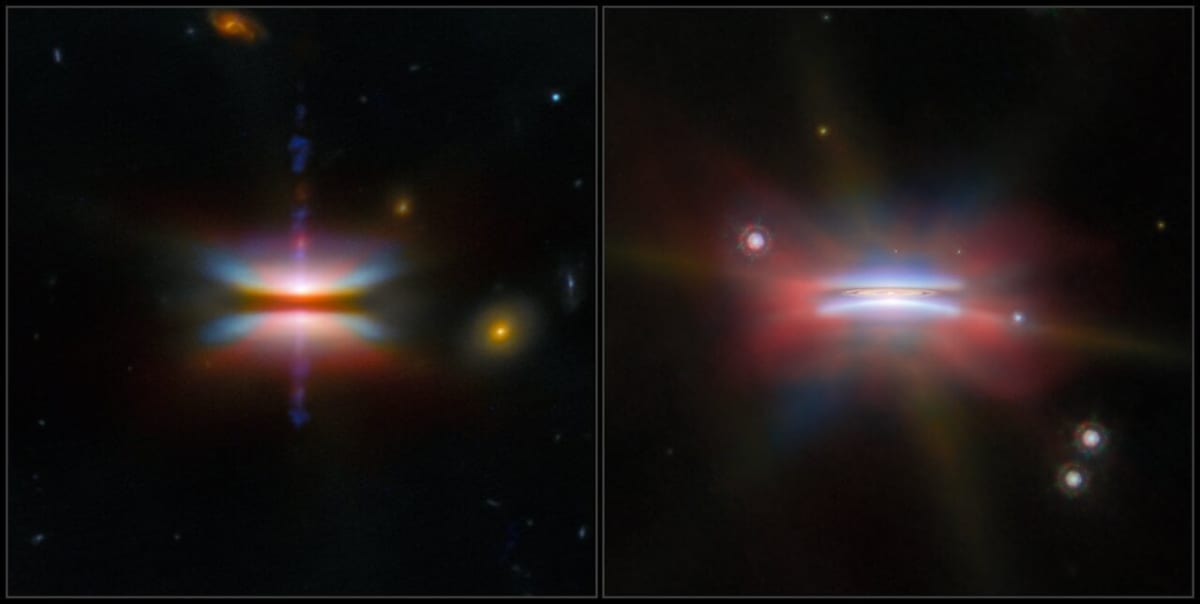
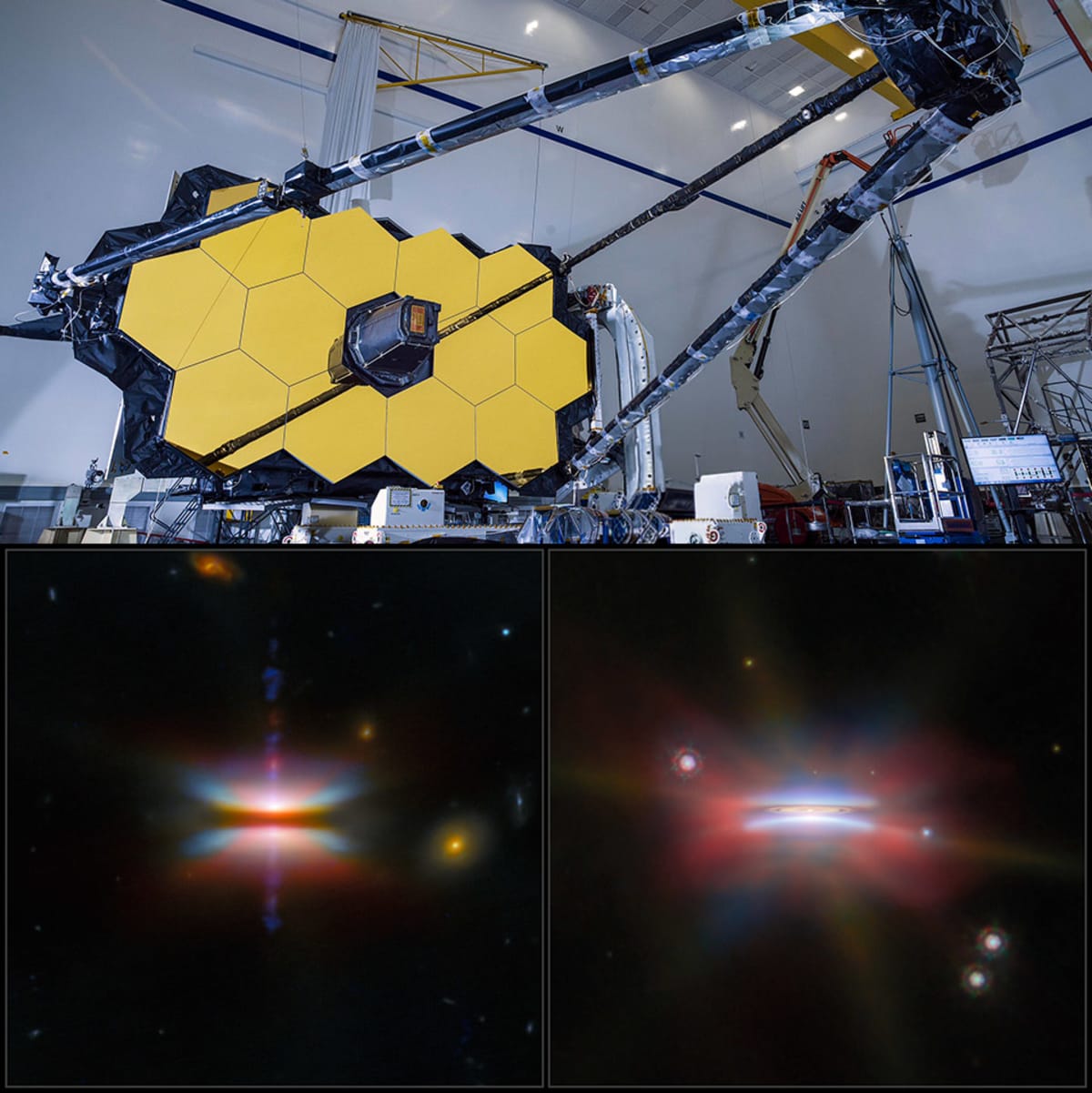
The James Webb Space Telescope captured stunning images of two planet-forming disks, and one may contain a newborn planet clearing its path through cosmic dust. Scientists are watching planetary birth in real time, 480 light-years away.

Google: James Webb telescope2 min read
Mystery Planet Nine Might Exist—Just Farther Than We Thought
Planet Wins5d ago

Mystery Planet Nine Might Exist—Just Farther Than We Thought

Astronomers are finding new clues about a hidden giant planet beyond Neptune, and the mystery is getting more exciting. Fresh discoveries suggest Planet Nine could be real but lurking much farther away than anyone expected.

Science Daily2 min read
Hubble Spots Giant 'Chaotic' Planet Nursery 400B Miles Wide
InnovationMay 13

Hubble Spots Giant 'Chaotic' Planet Nursery 400B Miles Wide

NASA's Hubble Space Telescope just captured the largest planet-forming disk ever seen, and it's nothing like scientists expected. The enormous cosmic nursery could reshape our understanding of how planets are born.

Google: NASA discovery2 min read
Webb Telescope Captures Planets Being Born 450 Light-Years Away
InnovationApr 7

Webb Telescope Captures Planets Being Born 450 Light-Years Away

NASA's James Webb Space Telescope just gave us a front-row seat to planet formation, capturing stunning images of two young stars surrounded by the cosmic dust and gas that will become new worlds. These images reveal exactly how planets grow from tiny particles into massive spheres orbiting distant suns.

Google: James Webb telescope2 min read
Three Planets Light Up Night Sky This Week
Planet Wins3d ago

Three Planets Light Up Night Sky This Week

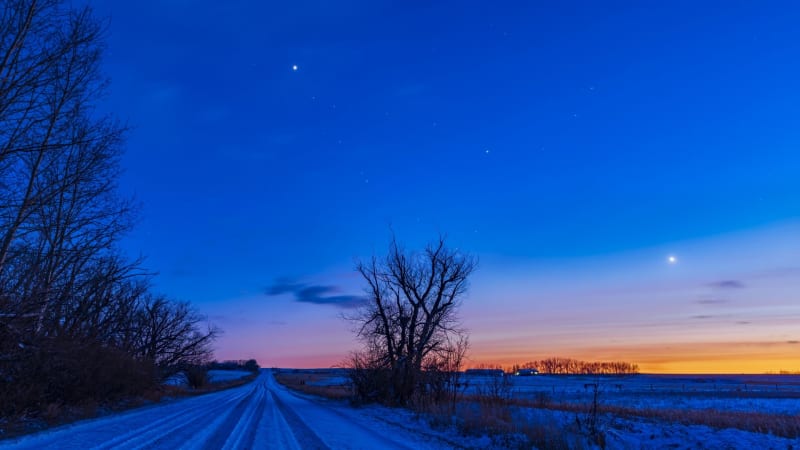
Mercury joins Venus and Jupiter for a stunning five-night planet parade visible to the naked eye through Monday. No telescope needed for this cosmic show.

Google News - Science2 min read
Photographer Captures All 6 Planets in One Stunning Shot
Planet WinsFeb 28

Photographer Captures All 6 Planets in One Stunning Shot

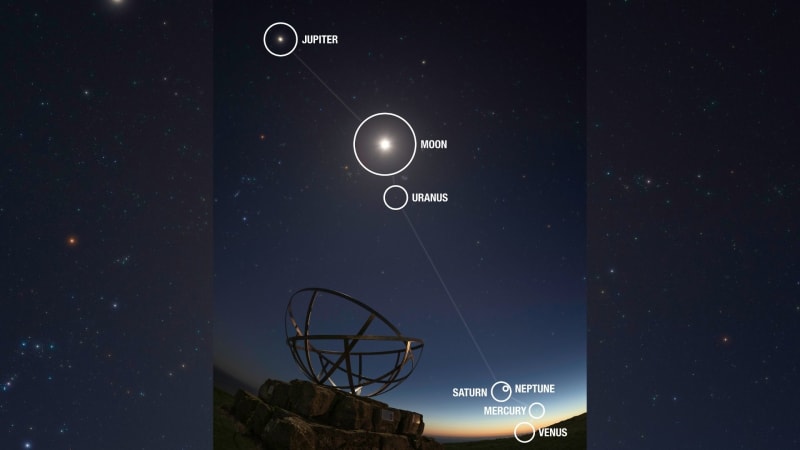
Award-winning photographer Josh Dury captured a rare six-planet parade stretching across nearly 180 degrees of sky from England's southern coast. The cosmic lineup, visible through February 28, includes Mercury, Venus, Jupiter, Saturn, Uranus, and Neptune in one breathtaking image.

Space.com2 min read
Six Planets Align This Week in Rare Sky Show
Planet WinsFeb 27

Six Planets Align This Week in Rare Sky Show

A stunning planetary parade is lighting up evening skies this week, bringing six planets into view at once. With just an hour after sunset and a clear view of the horizon, stargazers can witness this rare cosmic alignment.

Space.com2 min read
4 Planets Light Up March Skies in Rare Evening Show
Planet WinsMar 2

4 Planets Light Up March Skies in Rare Evening Show

Early March offers a dazzling celestial treat as four bright planets shine together in the evening sky, with Mercury making its best appearance of 2025. Even better, no telescope needed.

Space.com2 min read
3 Planets Align Tonight in Western Sky After Sunset
Global NewsMay 28

3 Planets Align Tonight in Western Sky After Sunset

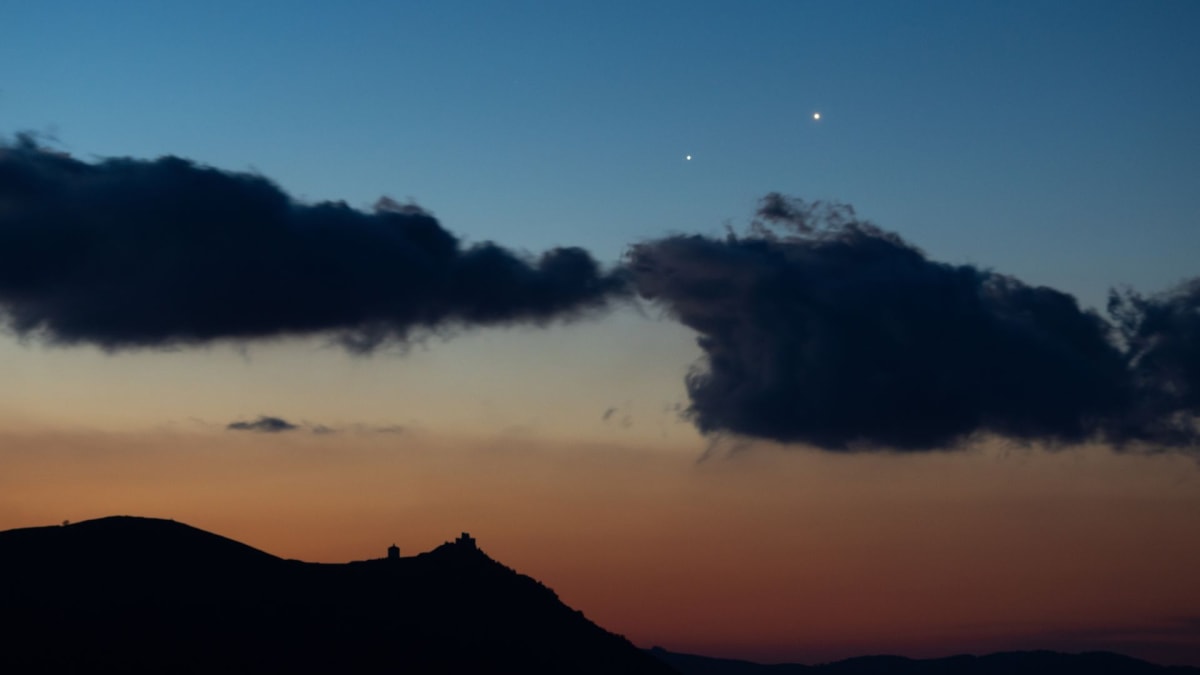
Jupiter, Venus, and Mercury will create a stunning "planetary bridge" visible in the western sky on May 27, offering skywatchers a rare celestial show. You won't need fancy equipment to catch this mini parade of planets stretching between the constellations of Gemini and Taurus.

Space.com2 min read
Scientists Find Missing Link in How Planets Form
InnovationFeb 1

Scientists Find Missing Link in How Planets Form

Astronomers discovered four "baby" planets caught in the act of transforming into the galaxy's most common type of world. The breakthrough solves a mystery about how super-Earths and sub-Neptunes take shape.

Science Daily3 min read
Giant Planet Discovery Reveals How Massive Worlds Form
InnovationApr 16

Giant Planet Discovery Reveals How Massive Worlds Form

The James Webb Space Telescope found a supergiant planet that collected metal-rich materials as it formed, solving a cosmic mystery about how the universe's largest planets are born. This discovery could rewrite our understanding of planet formation.

Google: James Webb telescope2 min read
Six Planets Align This Weekend in Night Sky Parade
Planet WinsFeb 7

Six Planets Align This Weekend in Night Sky Parade

This weekend, six planets will line up on the same side of the sun, creating a rare viewing opportunity visible from Earth. Saturn is your best chance to catch the cosmic show before the moment passes.

Fast Company2 min read
Baby Planets Shed Light on Solar System Mystery
InnovationJan 18

Baby Planets Shed Light on Solar System Mystery

Astronomers have captured four young planets still forming around a distant star, revealing how they evolve from puffy gas giants into the common worlds found throughout our galaxy. The discovery fills a crucial gap in understanding how planetary systems like ours come to be.

Live Science3 min read
BBC Celebrates 20 Years of Planet Earth's Wonder
Planet WinsApr 2

BBC Celebrates 20 Years of Planet Earth's Wonder

The groundbreaking nature documentary series Planet Earth is marking its 20th anniversary with a celebration of the most breathtaking wildlife moments ever filmed. Among the highlights: the extraordinary courtship dance of New Guinea's birds of paradise.

BBC Earth2 min read

Showing 20 of 3630