NASA Needs You to Map Earth's Magnetic Shield From Space
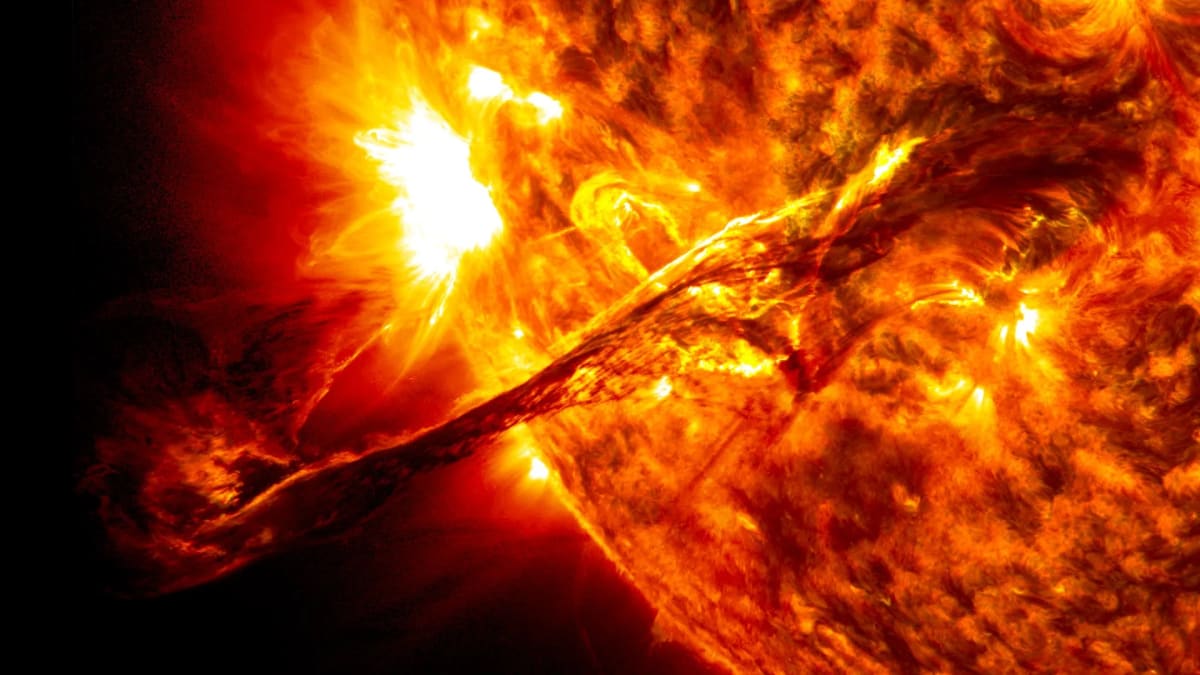
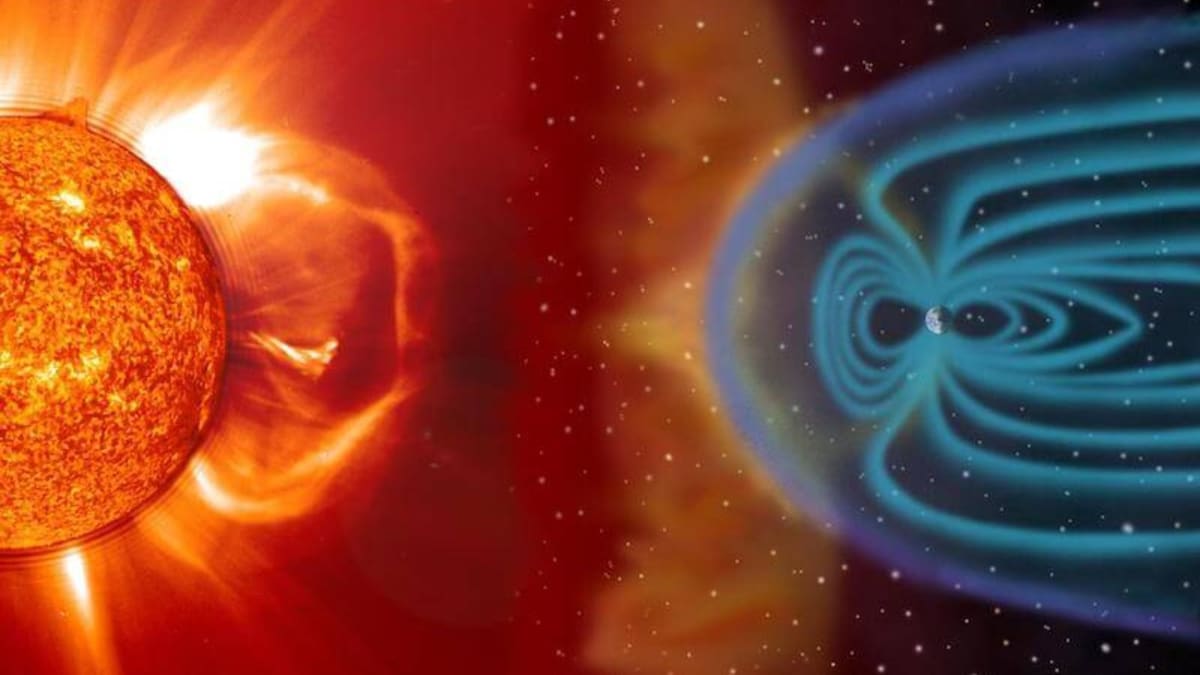
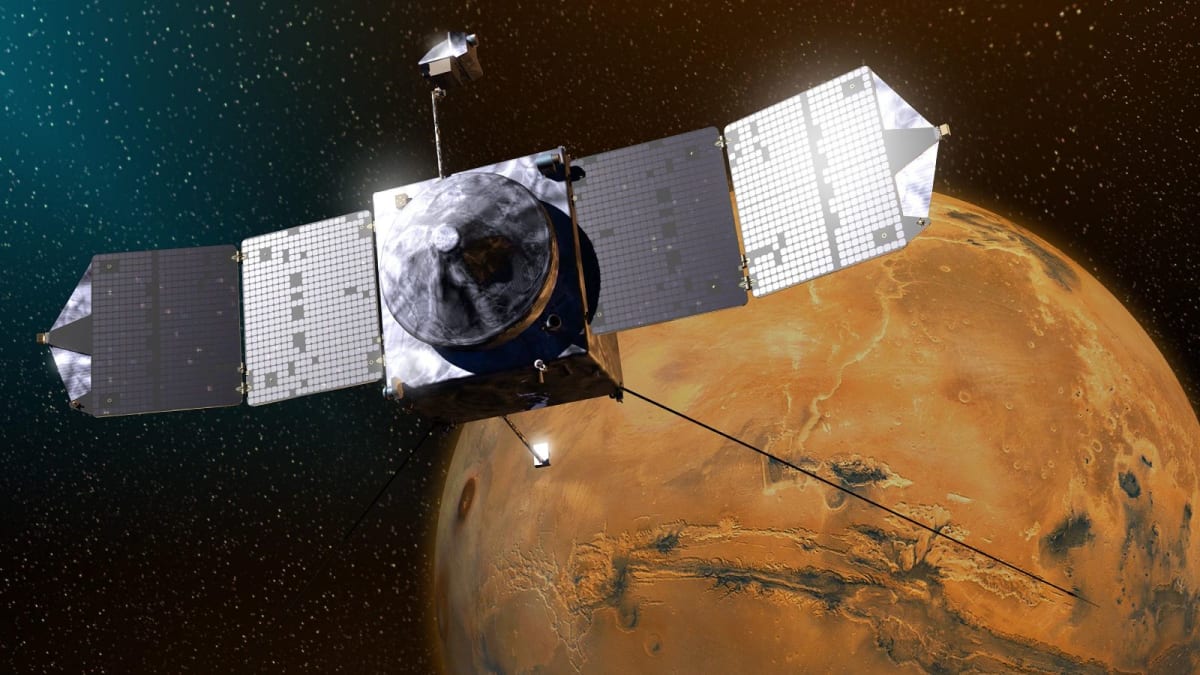
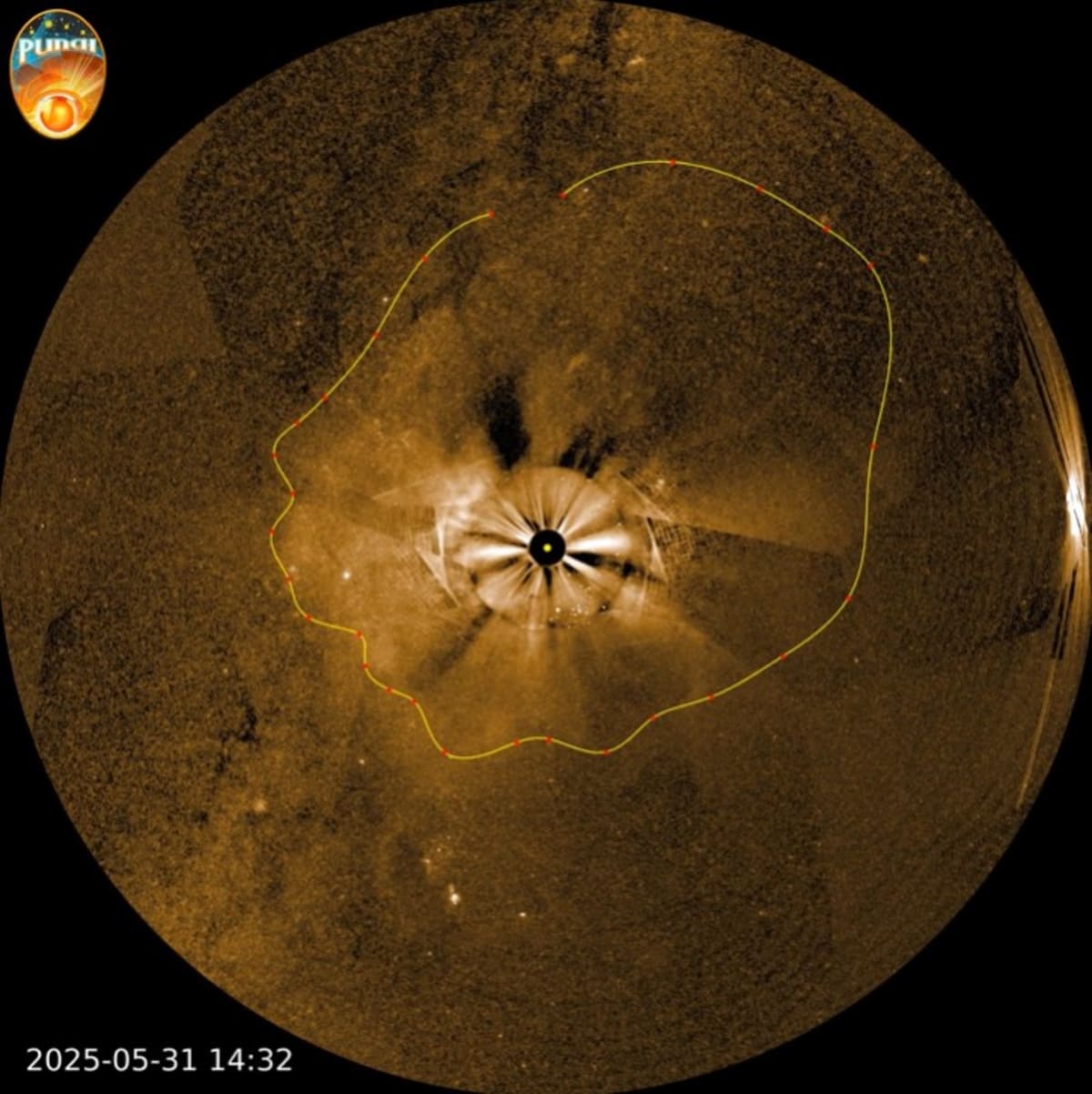
Anyone can now help NASA scientists track dangerous solar storms by analyzing real satellite data from space. No science degree requiredโjust an internet connection and 10 minutes to learn.
Find uplifting stories about heroes, innovations, and solutions
8 results for "solar storms"

Anyone can now help NASA scientists track dangerous solar storms by analyzing real satellite data from space. No science degree requiredโjust an internet connection and 10 minutes to learn.

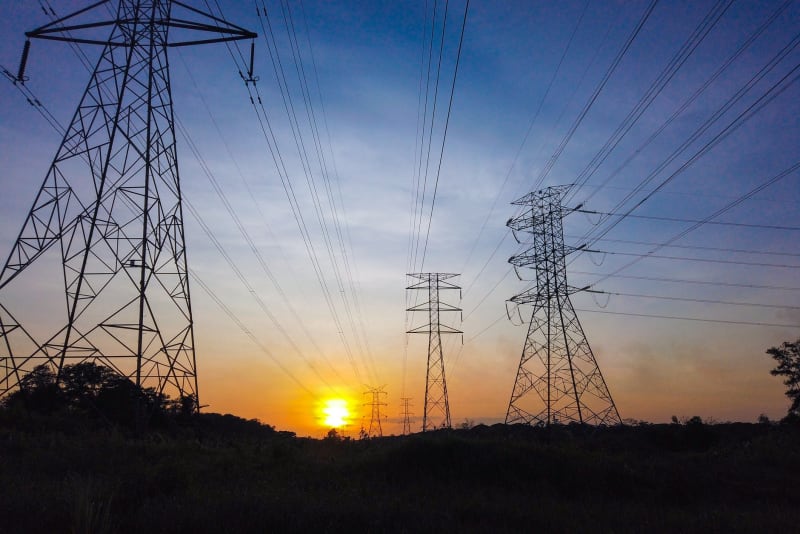
Researchers in India discovered how to forecast dangerous solar eruptions that threaten power grids, using magnetic field patterns as an early warning system. The breakthrough could help protect satellites, communications, and electrical systems from geomagnetic storms.

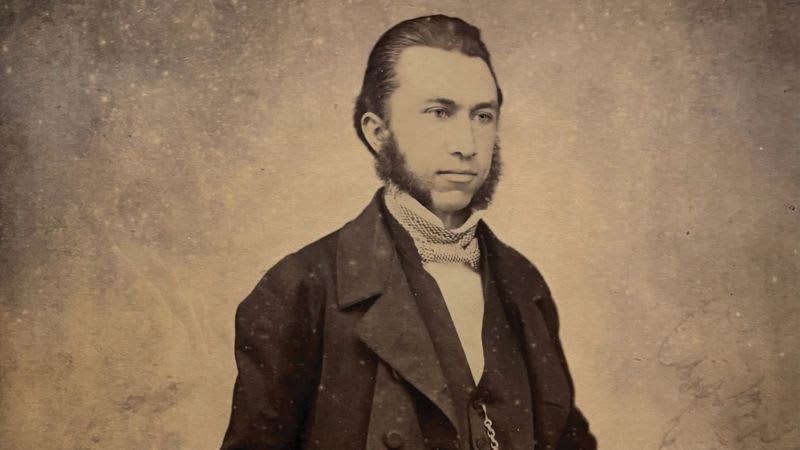
An archivist just discovered the only known photograph of Richard Carrington, the astronomer who witnessed the most powerful solar storm ever recorded in 1859. After 150 years of searching, the portrait turned up on eBay.

A new satellite just reached its permanent home 1 million miles from Earth, where it will protect our planet from dangerous solar storms. SOLAR-1 is now standing guard between the sun and Earth, ready to give us early warning of incoming space weather.

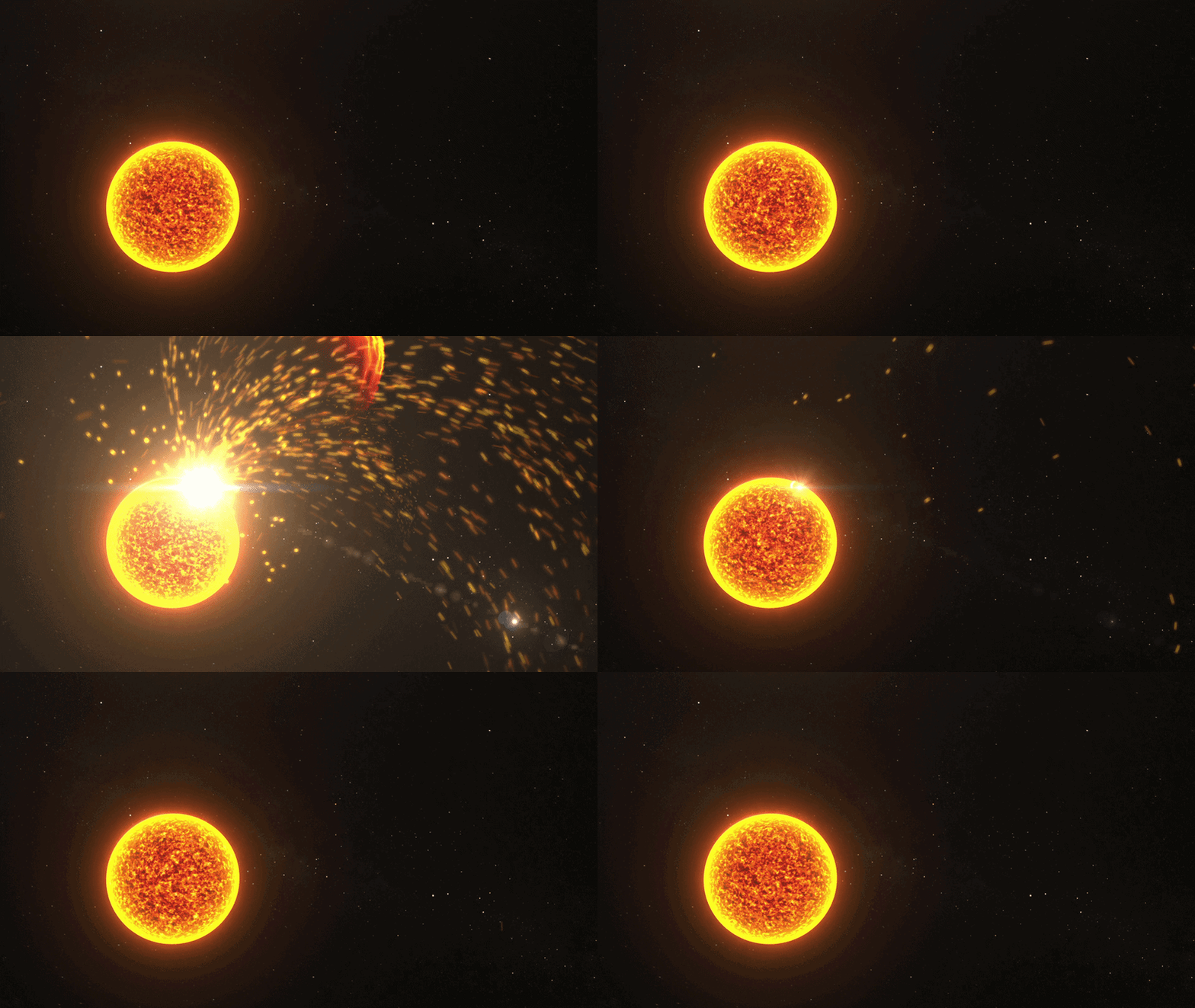
Scientists just witnessed how solar flares really work, and it's changing our ability to predict dangerous space weather. The discovery could help protect our satellites, power grids, and communication systems from future solar storms.

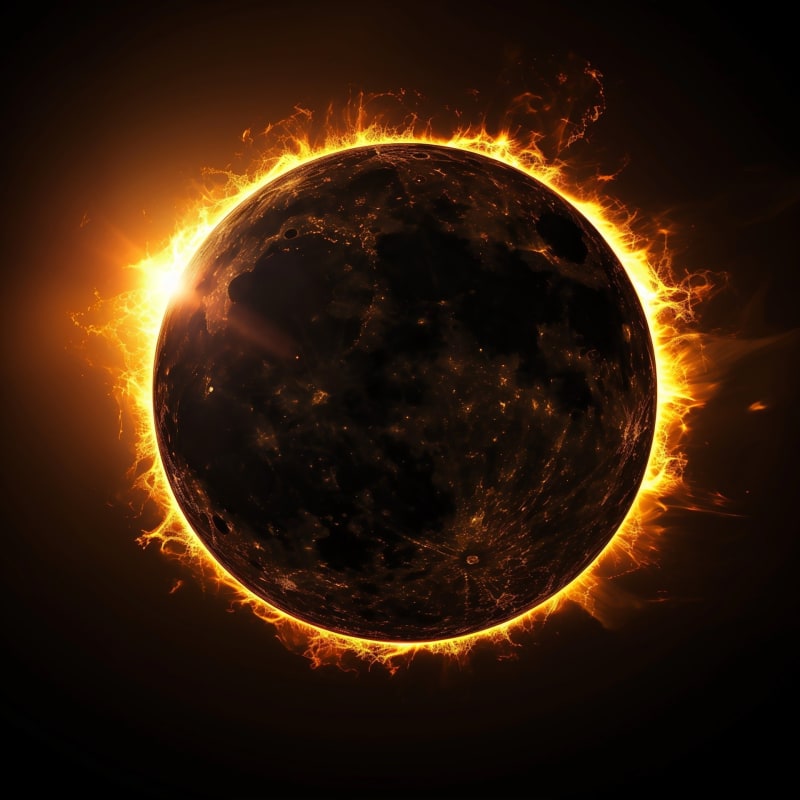
A UK-led space mission aims to create total solar eclipses on demand, giving scientists an unprecedented view of the sun's atmosphere to better forecast damaging solar storms. The innovation could protect our tech-dependent world from billion-dollar disruptions.
Japanese astronaut Kimiya Yui filmed a breathtaking aurora dancing across Earth during one of the decade's largest solar storms. His joy came from imagining people smiling as they watched the cosmic light show he captured.

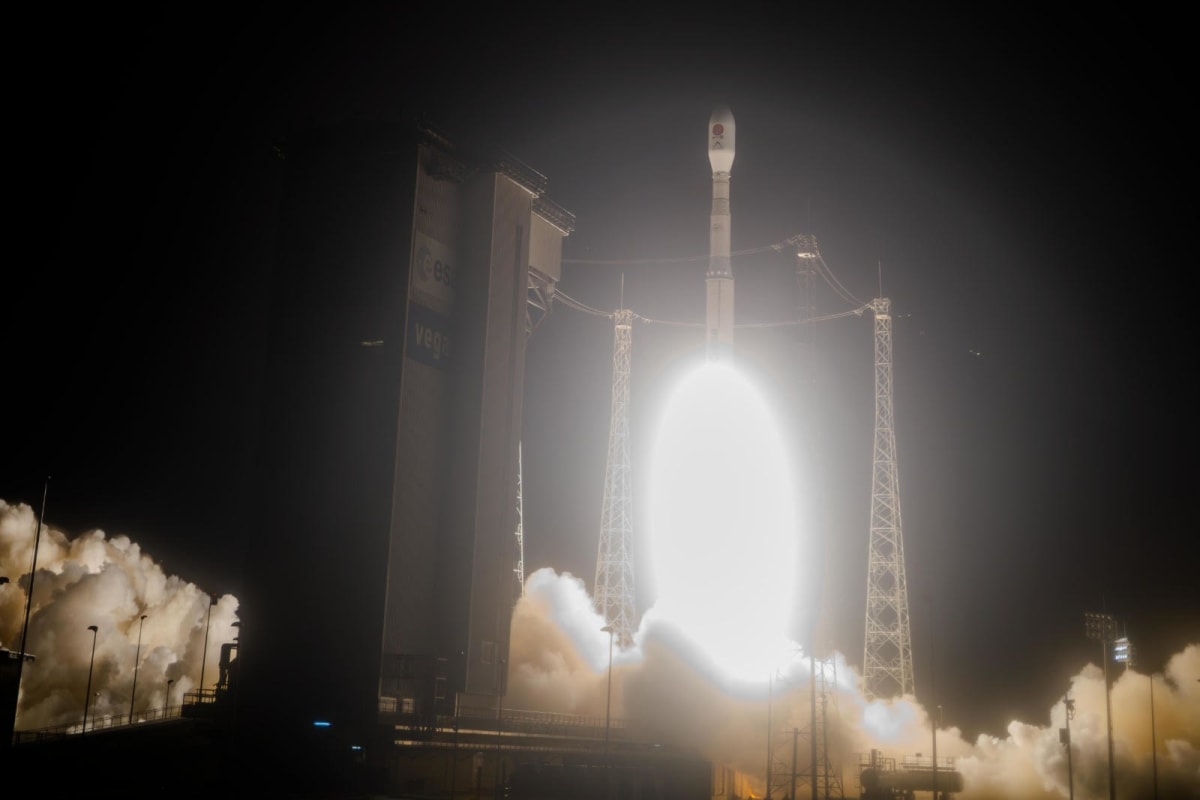
Six toaster-sized spacecraft just aced their final tests and are ready to launch later this year on a mission that could protect astronauts from dangerous solar storms. Working together as one giant radio telescope in space, they'll track explosive energy bursts from the sun.