NASA Telescopes Capture Most Detailed Saturn View Ever
Two of NASA's most powerful space telescopes just teamed up to reveal Saturn like we've never seen it before. The images show the ringed planet's atmosphere in stunning 3D detail.
Find uplifting stories about heroes, innovations, and solutions
19 results for "space telescopes"

Two of NASA's most powerful space telescopes just teamed up to reveal Saturn like we've never seen it before. The images show the ringed planet's atmosphere in stunning 3D detail.

Two powerful space telescopes just captured Saturn's atmosphere in unprecedented detail, revealing the ringed planet's mysterious hexagon and glowing ice rings. Scientists say these combined views give us the most complete picture of Saturn ever taken.

NASA's two most powerful space telescopes joined forces to create the most detailed portrait of Saturn ever captured. The collaboration reveals hidden layers of the ringed planet's atmosphere that neither telescope could see alone.

Two of NASA's most powerful space telescopes just captured the most detailed views of Saturn ever seen, working together to reveal the gas giant in stunning new ways. The breakthrough collaboration gives scientists an unprecedented 3D understanding of Saturn's swirling atmosphere.
NASA's two most powerful space telescopes teamed up to capture Saturn like never before, revealing hidden storms, atmospheric layers, and stunning details of the ringed giant. The combined images give scientists a three-dimensional view of the planet and may remain the best look we get for decades.

Two of humanity's most powerful space telescopes have joined forces to capture Saturn like never before, revealing hidden storms, mysterious glowing poles, and the planet's iconic hexagon weather pattern. It's our best look yet at the ringed giant, and possibly the last detailed view of some features for decades.

NASA just released matching photos of Saturn taken by its two most powerful space telescopes, giving scientists a breathtaking dual perspective on the ringed planet. The side-by-side images reveal hidden storms, mysterious atmospheric patterns, and details invisible to either telescope alone.

Two of humanity's most powerful space telescopes just teamed up to photograph one of our cosmic neighbors in breathtaking detail. The Pinwheel Galaxy has never looked more spectacular.

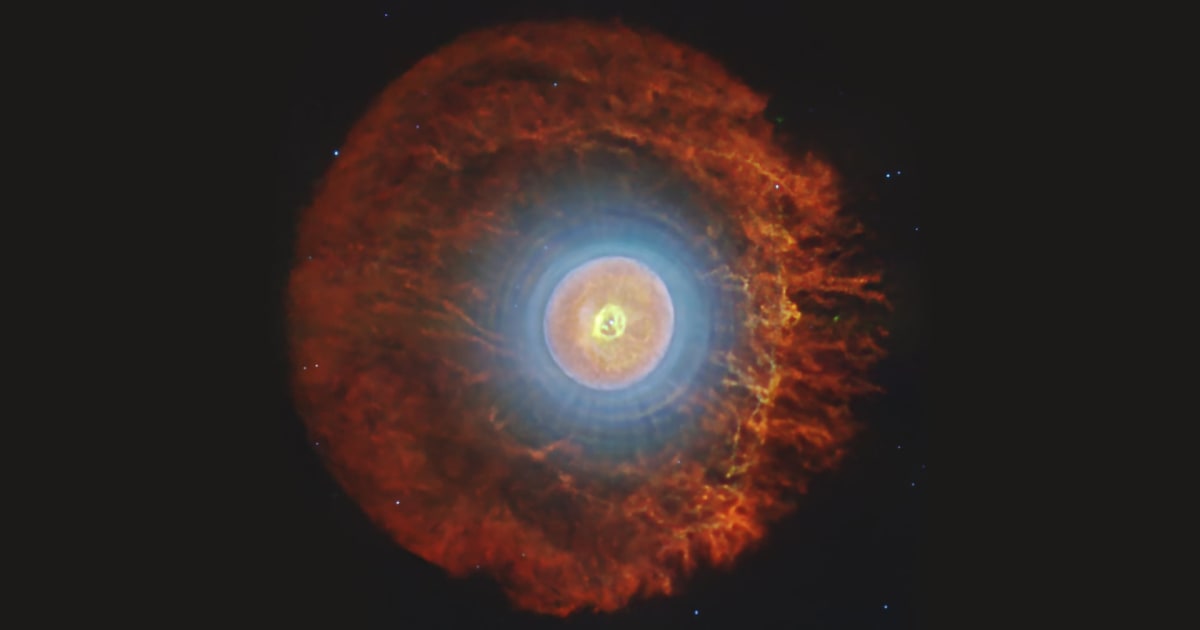
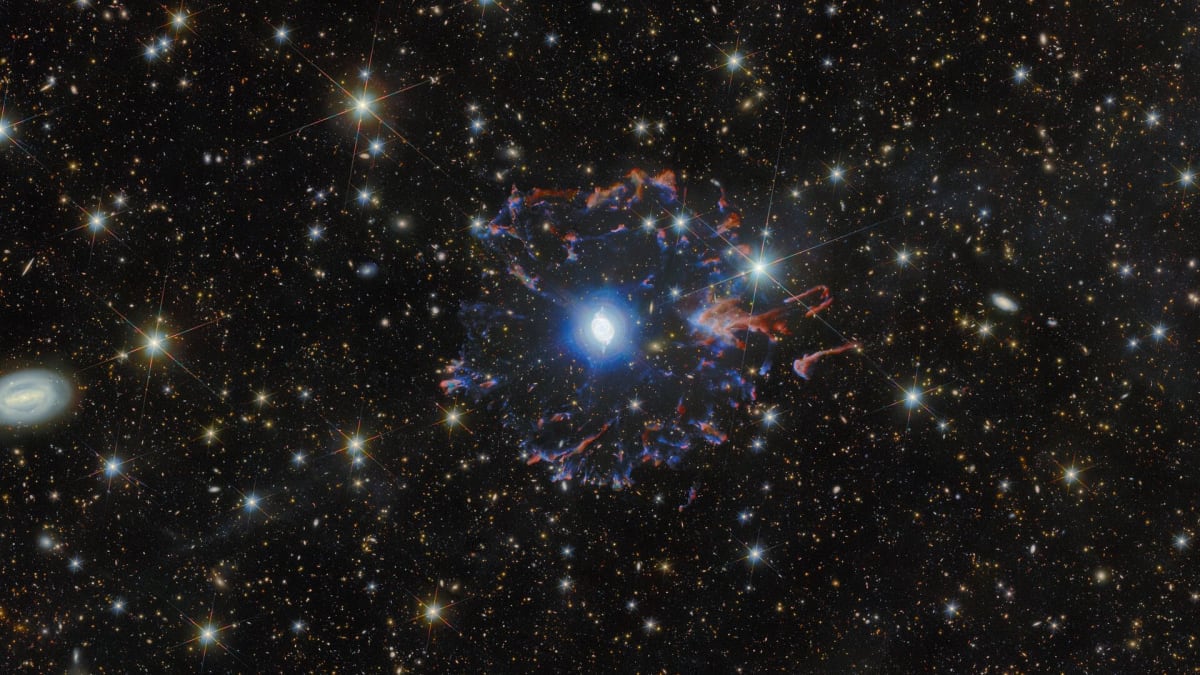
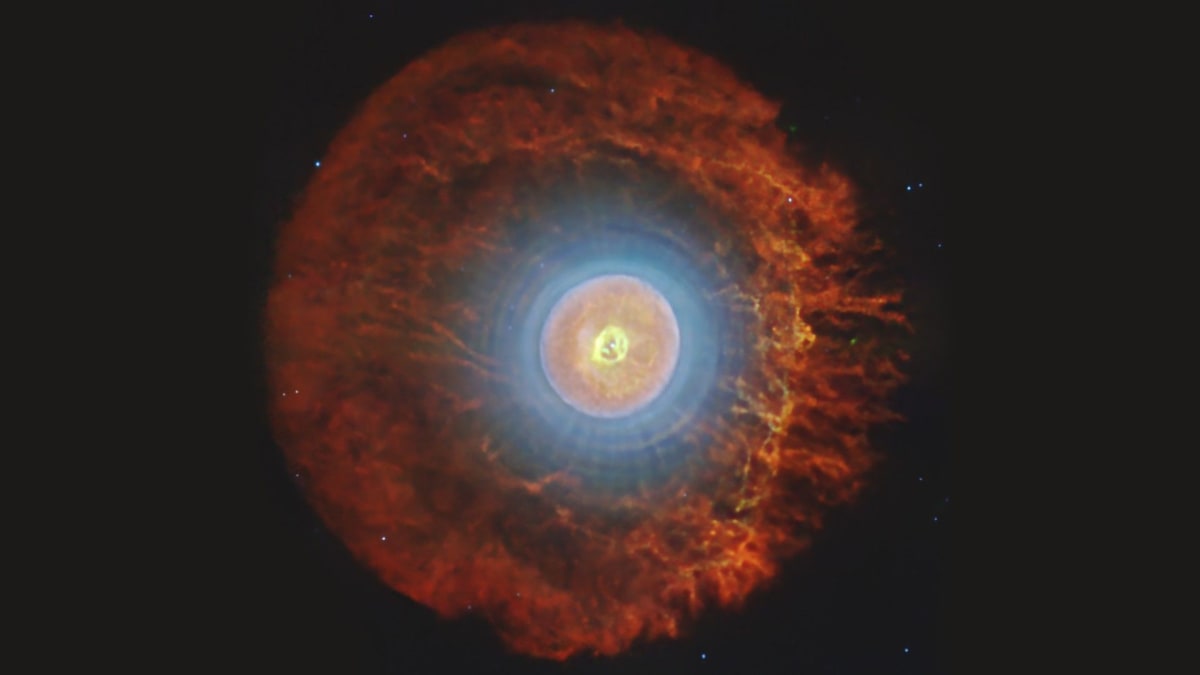
The Hubble and Euclid space telescopes teamed up to photograph the Cat's Eye Nebula in stunning detail, revealing a star's beautiful final chapter. The images show glowing rings of blue, orange, and red gas expanding into space 4,300 light-years from Earth.

NASA's Hubble and Europe's Euclid telescopes joined forces to photograph one of space's most beautiful sights: a dying star wrapped in colorful, intricate layers 4,400 light-years away. The combined image reveals new details about the Cat's Eye Nebula that neither telescope could capture alone.

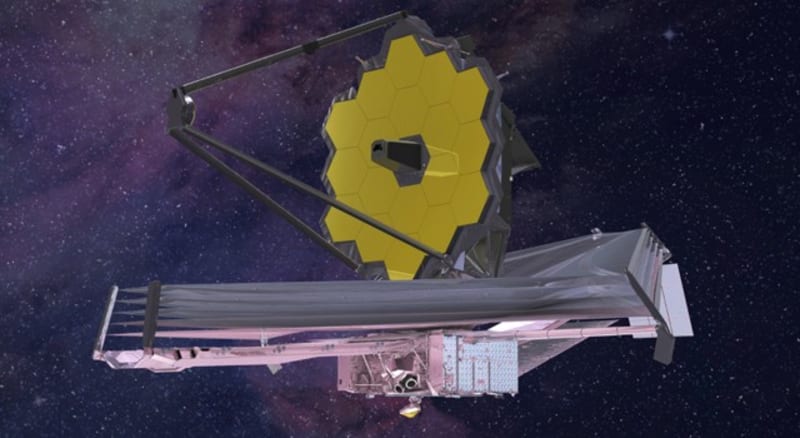
NASA's James Webb Space Telescope tracked one of the faintest asteroids ever observed to confirm it won't hit the Moon in 2032. The breakthrough shows how space telescopes can protect Earth and lunar satellites years before potential threats arrive.

Two space telescopes joined forces to capture the most detailed images ever of a dying star's spectacular remains 4,400 light-years away. The new photos reveal intricate shells, jets, and structures that help scientists understand how stars end their lives.

NASA's Hubble and Europe's Euclid telescopes teamed up to photograph the Cat's Eye Nebula, revealing the most detailed view ever of a star's beautiful final moments. The image shows how stellar death creates cosmic art 4,400 light-years from Earth.

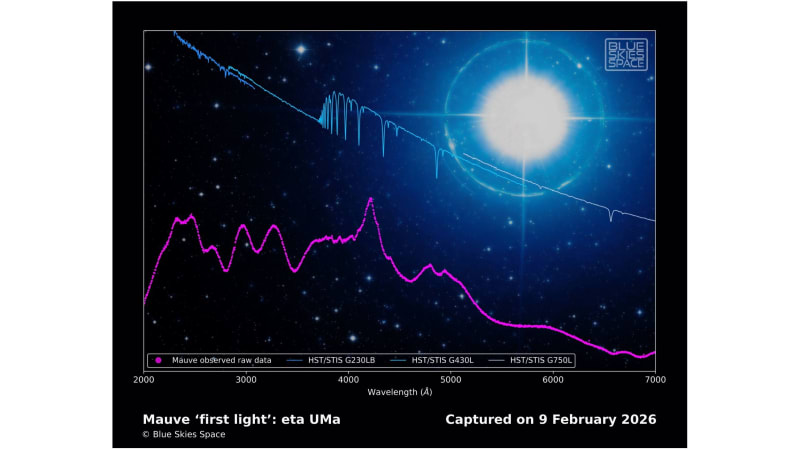
A suitcase-sized satellite just captured its first star measurement, opening a new era where astronomers can rent time on commercial space telescopes. The breakthrough could help scientists find habitable planets around nearby stars.

Scientists launched a telescope on a balloon that floats 25 miles above Earth to study distant planets in ways even the James Webb telescope can't. The mission could double our understanding of alien atmospheres while costing a fraction of traditional space telescopes.

Two powerful space telescopes just spotted a galaxy cluster so massive and so old, it shouldn't exist according to our current understanding of the universe. The discovery could reveal secrets about how the cosmos grew up faster than anyone thought possible.

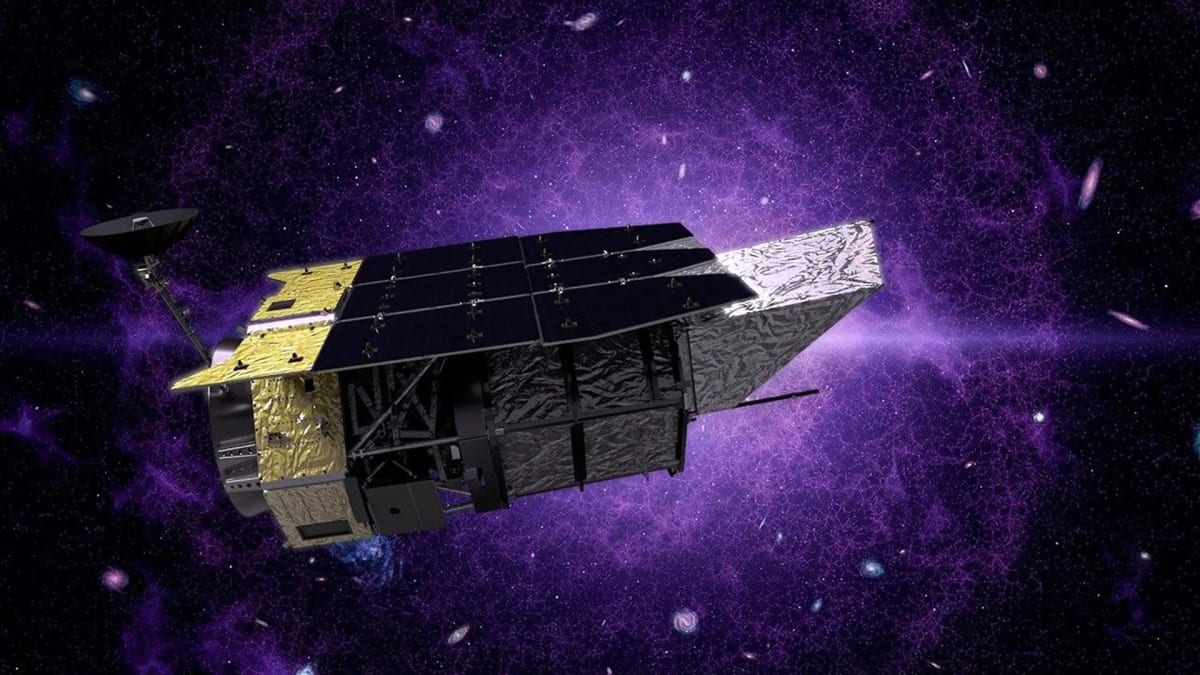
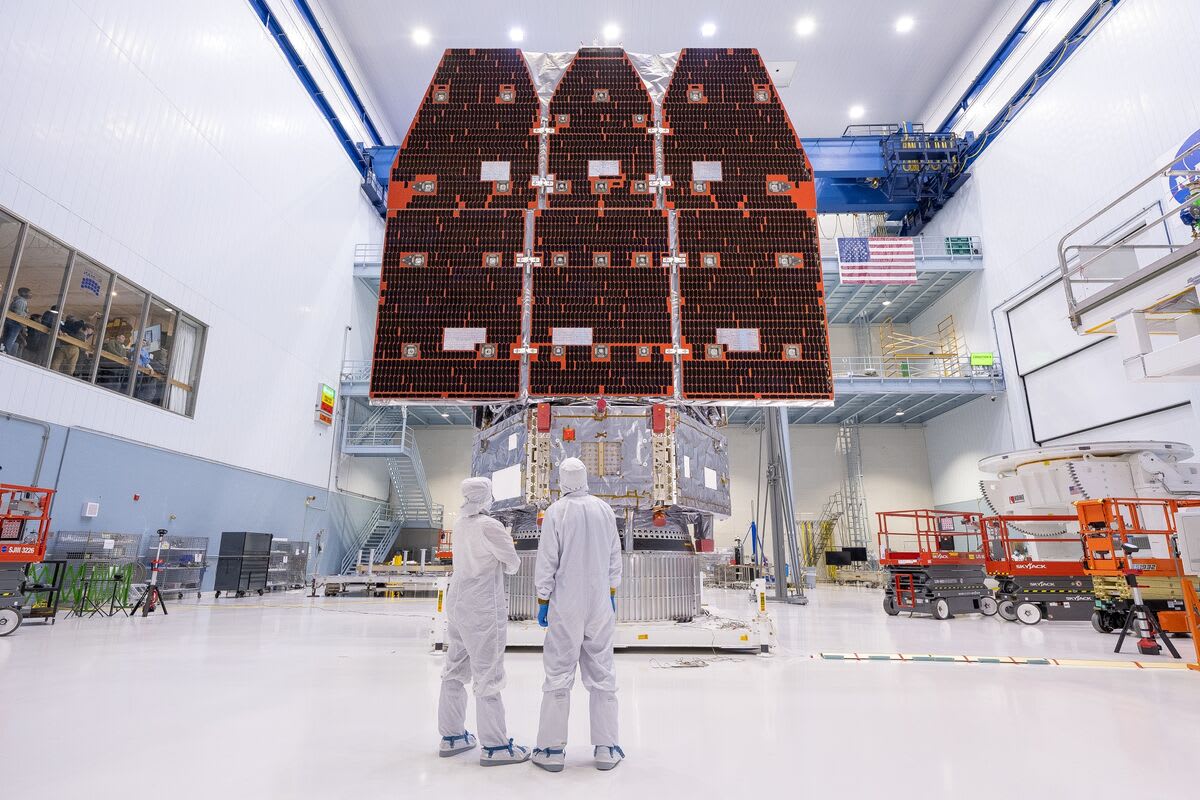
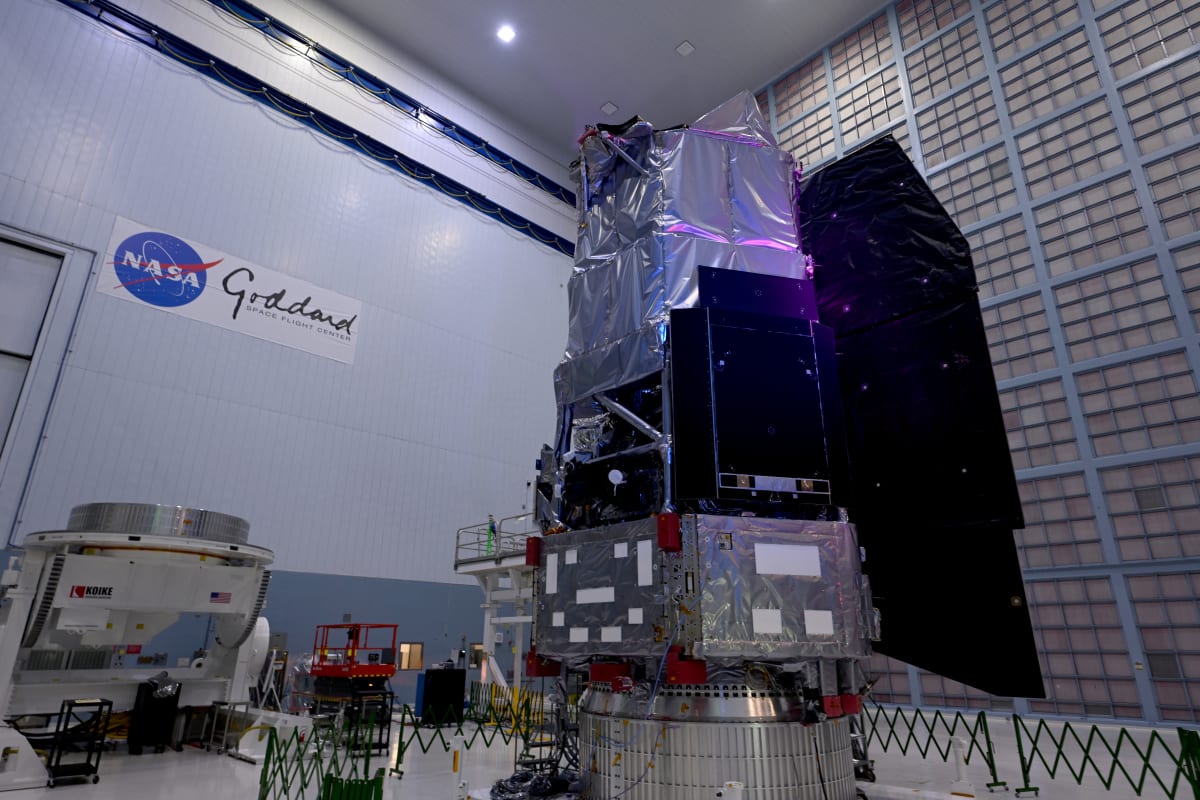
Three powerful new space telescopes launching in 2026 will map billions of galaxies and search for habitable worlds, marking a turning point in how humanity explores the universe. Meanwhile, astronauts will travel around the moon for the first time in over 50 years.

One of the world's leading astrophysicists says we're living through a golden age of cosmic discovery, thanks to powerful space telescopes and computing advances working together. Priyamvada Natarajan believes major breakthroughs in understanding black holes and dark matter are coming soon.

Scientists now have the tools to detect signs of life on planets beyond our solar system by analyzing their atmospheres. New space telescopes launching through 2029 will help us answer one of humanity's oldest questions: are we alone?