Search

Find uplifting stories about heroes, innovations, and solutions

7980 results for "asteroid impact"

One Asteroid May Have Given Mercury All Its Water Ice
Planet WinsMay 29

One Asteroid May Have Given Mercury All Its Water Ice

Scientists discovered that a single massive asteroid impact could have delivered and spread Mercury's polar water ice in just 176 Earth days. New simulations show how the closest planet to the sun ended up with vast frozen water deposits despite scorching 800-degree temperatures.

Space.com3 min read
Scientists Find Fish That Breathed Asteroid Dust 66M Years Ago
InnovationMay 23

Scientists Find Fish That Breathed Asteroid Dust 66M Years Ago

Researchers discovered fossilized fish in North Dakota with tiny glass beads from the dinosaur-killing asteroid lodged in their gills, proving they were alive when the impact debris rained down. It's the most direct evidence yet of what happened in the first hour after Earth's most famous catastrophe.

Google News - Science3 min read
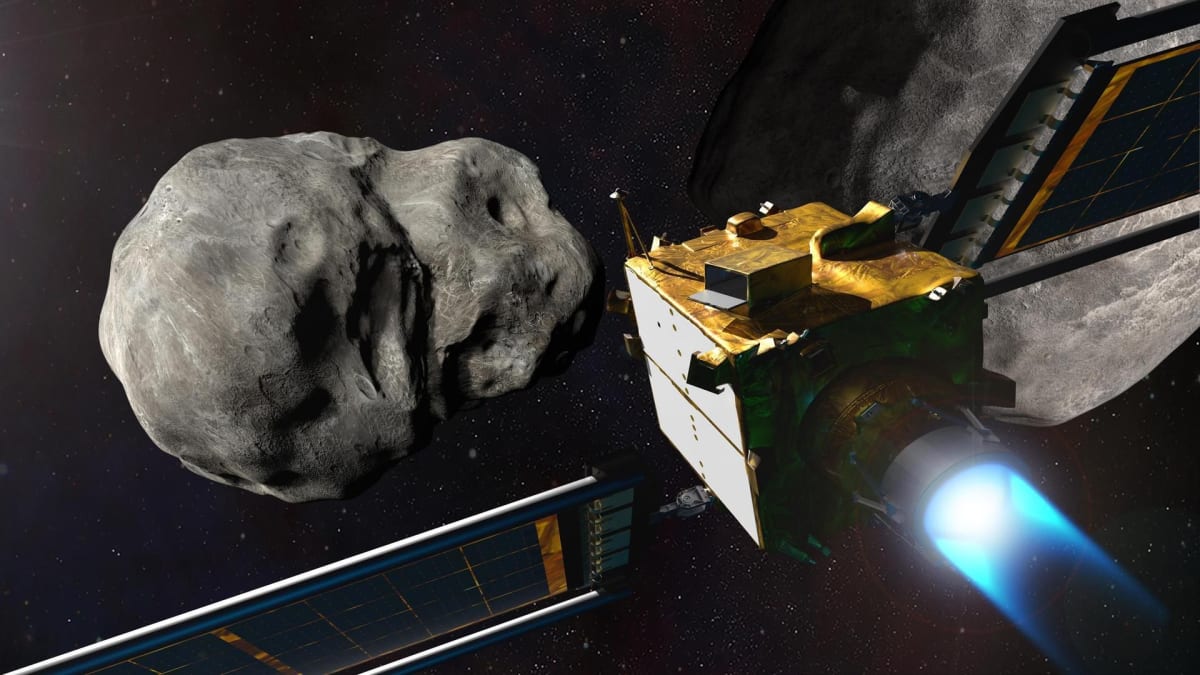
NASA Crash Nudged Entire Asteroid System Off Course
InnovationMar 7

NASA Crash Nudged Entire Asteroid System Off Course

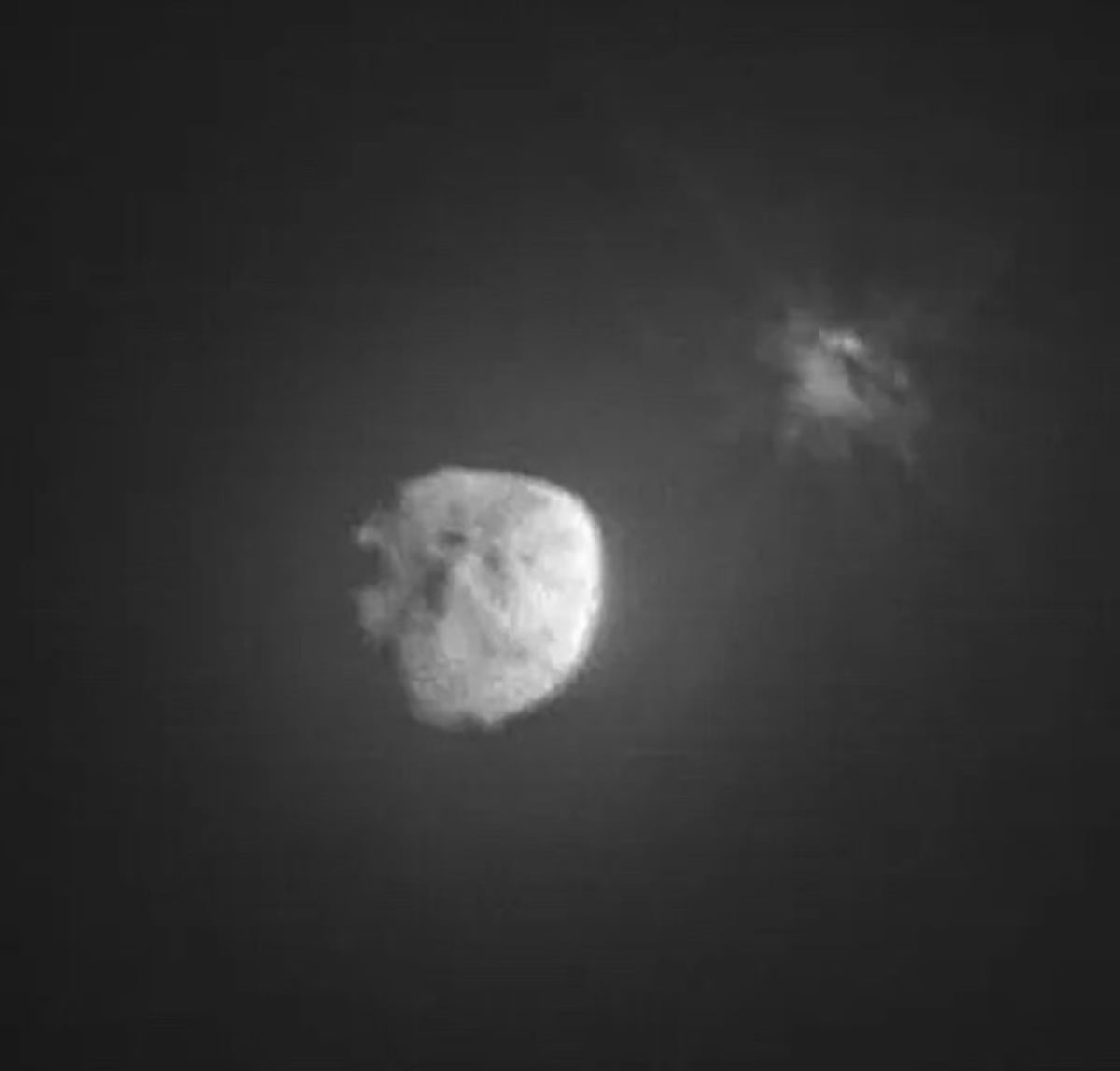
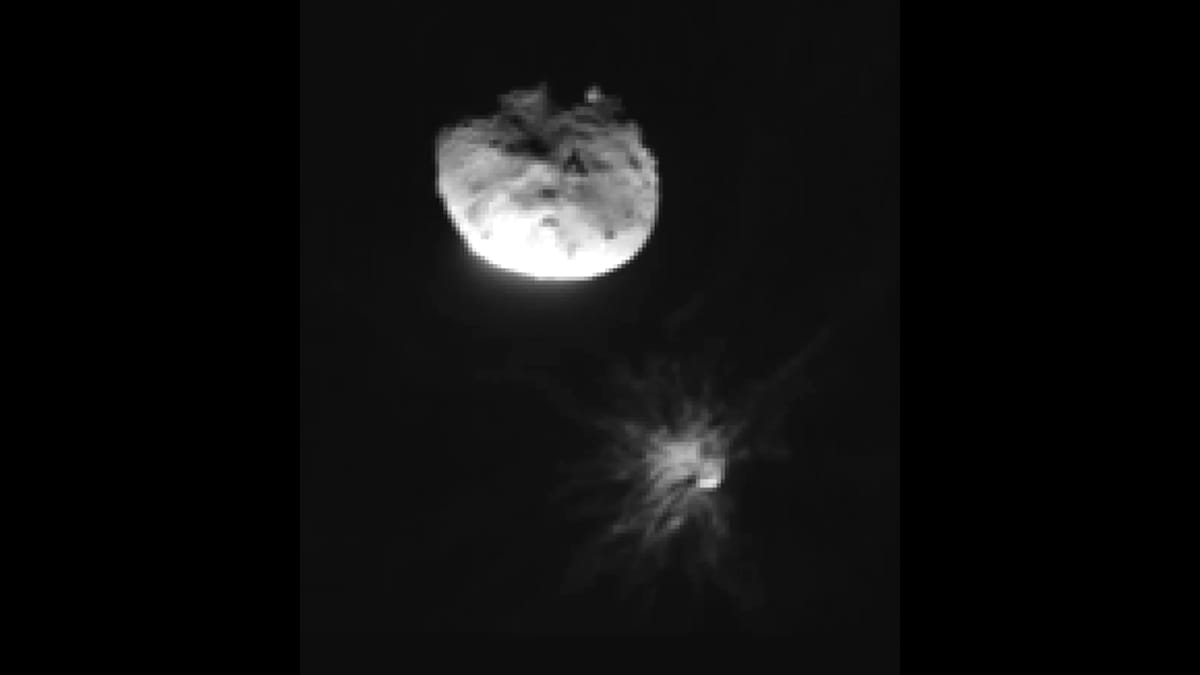
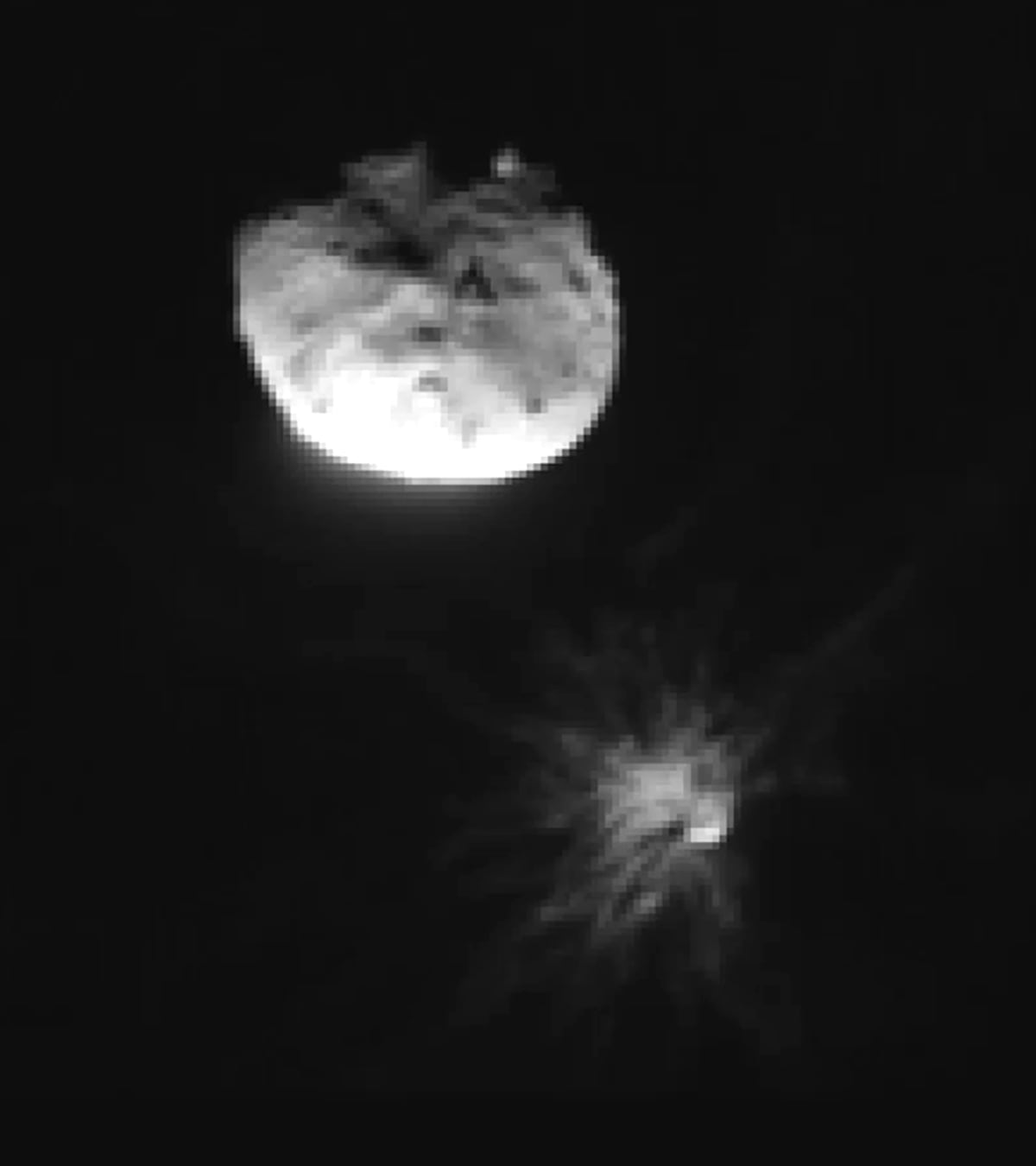
When NASA deliberately smashed a spacecraft into an asteroid in 2022, scientists hoped to prove we could defend Earth from space rocks. New data reveals the impact did something even better: it shifted the entire asteroid system's path around the Sun.

Ars Technica Science3 min read
NASA Spacecraft Changes Asteroid's Path Around the Sun
InnovationMar 7

NASA Spacecraft Changes Asteroid's Path Around the Sun

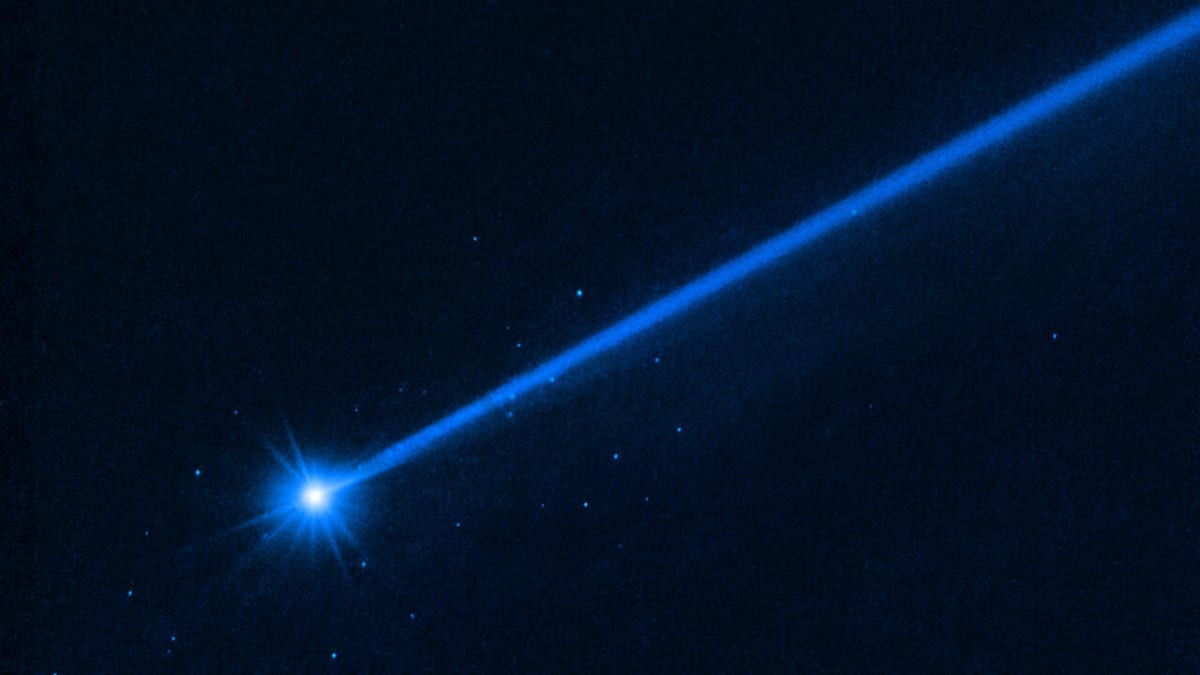
For the first time ever, humans have measurably shifted the orbit of a celestial body around the Sun. When NASA deliberately crashed a spacecraft into an asteroid in 2022, the impact changed the path of not just one asteroid, but two.

Google News - Science3 min read
Nonprofit B612 Foundation Shields Earth From Asteroids
SolutionsFeb 12

Nonprofit B612 Foundation Shields Earth From Asteroids

A Silicon Valley nonprofit is working to protect our planet from dangerous asteroid impacts through research, education, and global cooperation. Since 2002, the B612 Foundation has been advancing asteroid detection and deflection strategies while teaching the world about these cosmic threats.

Space.com3 min read
NASA Asteroid Test Changed Its Orbit Around the Sun
Planet WinsMar 8

NASA Asteroid Test Changed Its Orbit Around the Sun

Four years after NASA crashed a spacecraft into an asteroid to test Earth's defenses, scientists confirmed it worked even better than expected. The impact not only changed the asteroid's path but altered its orbit around the Sun for the first time in human history.

Google News - Science2 min read
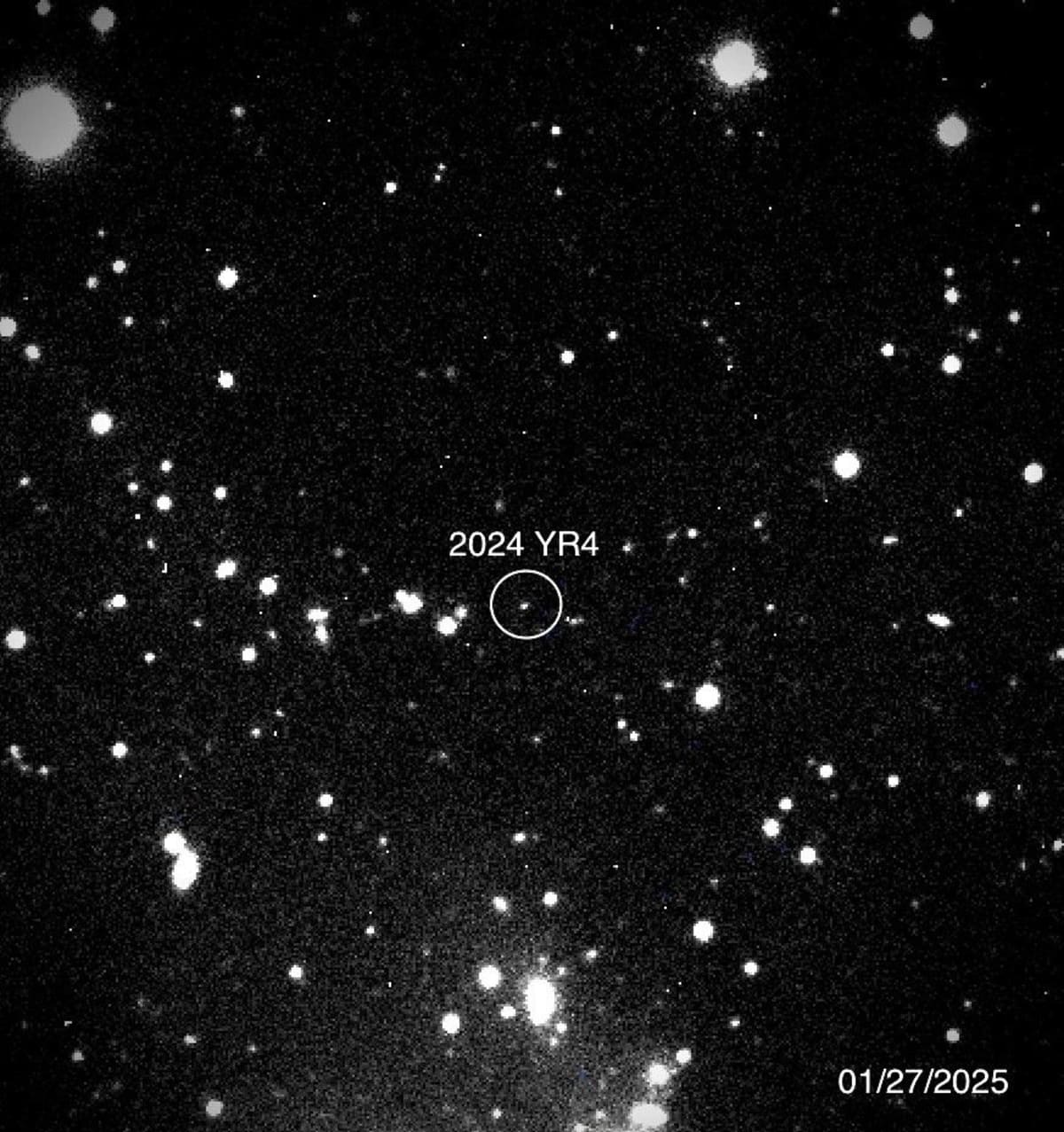
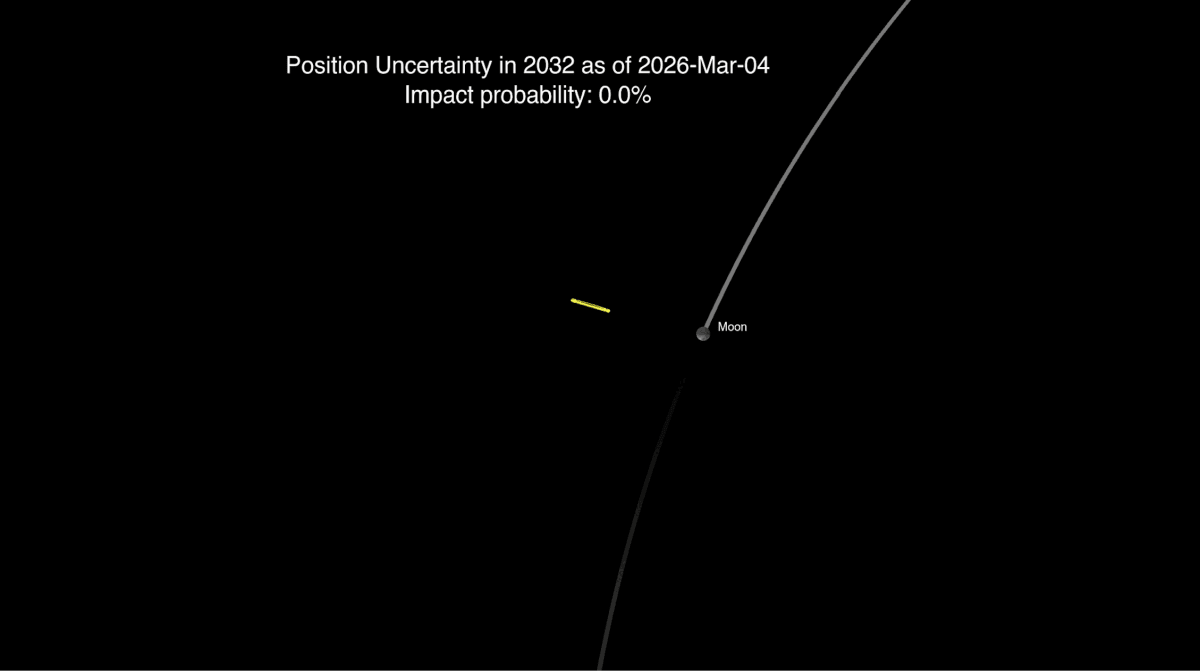
NASA Confirms Asteroid 2024 YR4 Won't Hit Moon in 2032
Planet WinsMar 6

NASA Confirms Asteroid 2024 YR4 Won't Hit Moon in 2032

The asteroid once called the most dangerous discovery in 20 years is no longer a threat to Earth or the moon. Thanks to the James Webb Space Telescope, scientists have completely ruled out any chance of impact.

Google: NASA discovery2 min read
NASA Spacecraft Moved an Asteroid's Path Around the Sun
InnovationMar 7

NASA Spacecraft Moved an Asteroid's Path Around the Sun

For the first time in human history, we've measurably changed how a space rock orbits the Sun. NASA's 2022 asteroid impact proved we can defend Earth from cosmic threats.

Google News - Science3 min read
Asteroid Could Hit Moon in 2032, Gift Scientists Rare Data
VideosJan 28

Asteroid Could Hit Moon in 2032, Gift Scientists Rare Data

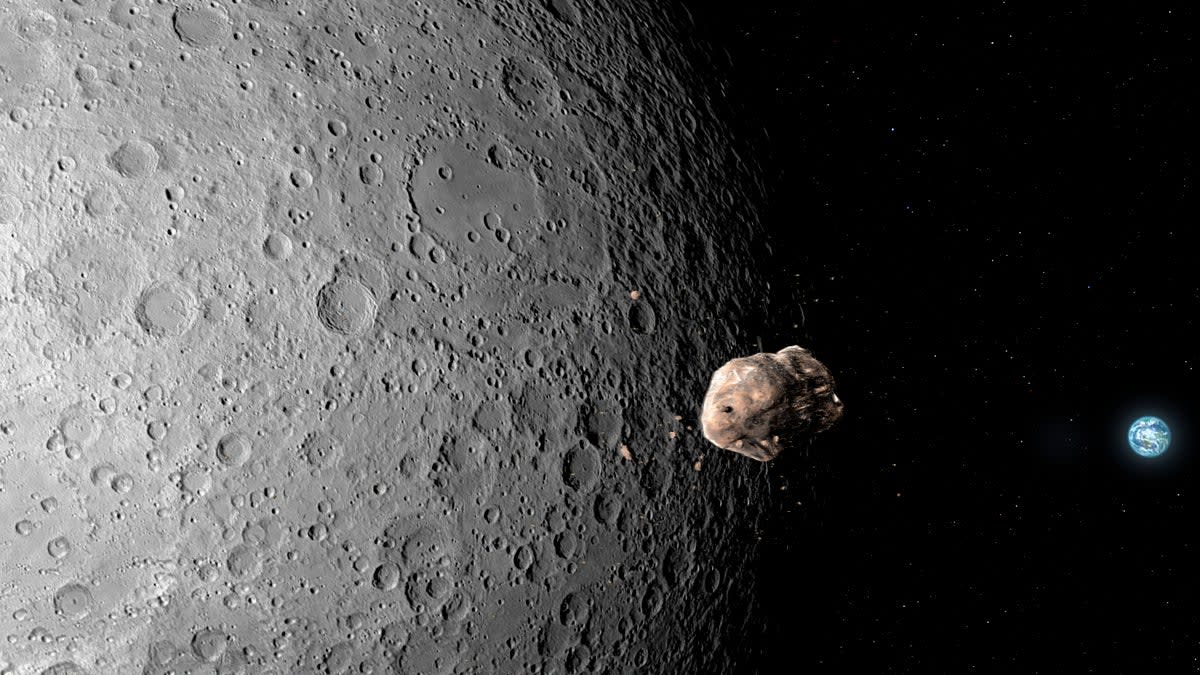
A 60-meter asteroid has a 4% chance of striking the moon on December 22, 2032, and scientists are getting ready to study the impact of a lifetime. The collision could unlock secrets about the moon's interior, geology, and history without any artificial intervention.

Phys.org3 min read
NASA Rules Out 2032 Asteroid Hit Using Webb Telescope
Planet WinsMar 6

NASA Rules Out 2032 Asteroid Hit Using Webb Telescope

That asteroid scientists were watching? New data from the James Webb Space Telescope just confirmed it will safely miss the Moon in 2032. What looked like a small chance of impact turned into a clear all-clear thanks to unprecedented observations.

Google: James Webb telescope2 min read
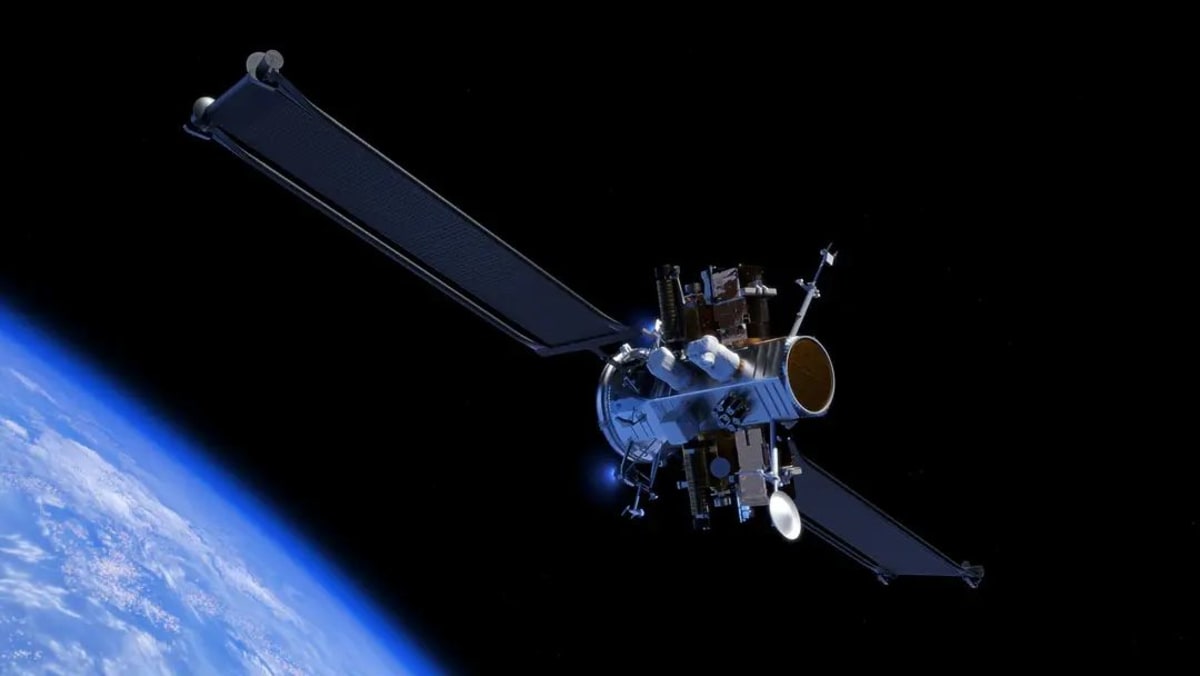
Blue Origin Teams Up With NASA to Defend Earth From Asteroids
InnovationMar 18

Blue Origin Teams Up With NASA to Defend Earth From Asteroids

Blue Origin is partnering with NASA to protect Earth from dangerous asteroids using ion beams and high-speed impacts. The NEO Hunter mission will scan, deflect, and divert space rocks before they can threaten our planet.

Space.com2 min read
Asteroids Throw 'Cosmic Snowballs' at Each Other, NASA Finds
InnovationMar 12

Asteroids Throw 'Cosmic Snowballs' at Each Other, NASA Finds

NASA's asteroid defense mission captured the first proof that space rocks gently toss debris at each other like cosmic snowballs, reshaping surfaces over millions of years. The discovery came from images taken seconds before the spacecraft deliberately crashed into an asteroid in 2022.

Space.com2 min read
Moon Rocks from China's Mission Reveal Ancient Impact Mystery
InnovationFeb 8

Moon Rocks from China's Mission Reveal Ancient Impact Mystery

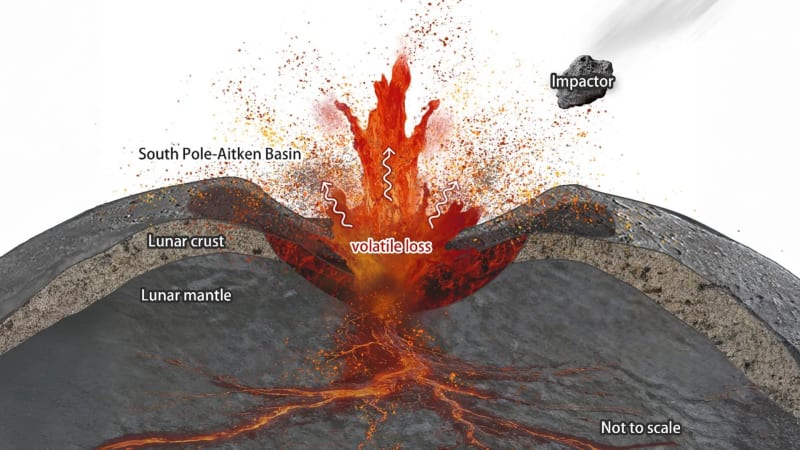
Rare lunar samples from China's Chang'e-6 mission just solved a 4-billion-year mystery about how a massive asteroid collision changed the Moon from the inside out. The discovery explains why one side of the Moon looks so different from the other.

Science Daily2 min read
James Webb Telescope Confirms Asteroid Will Miss Moon in 2032
Planet WinsMar 6

James Webb Telescope Confirms Asteroid Will Miss Moon in 2032

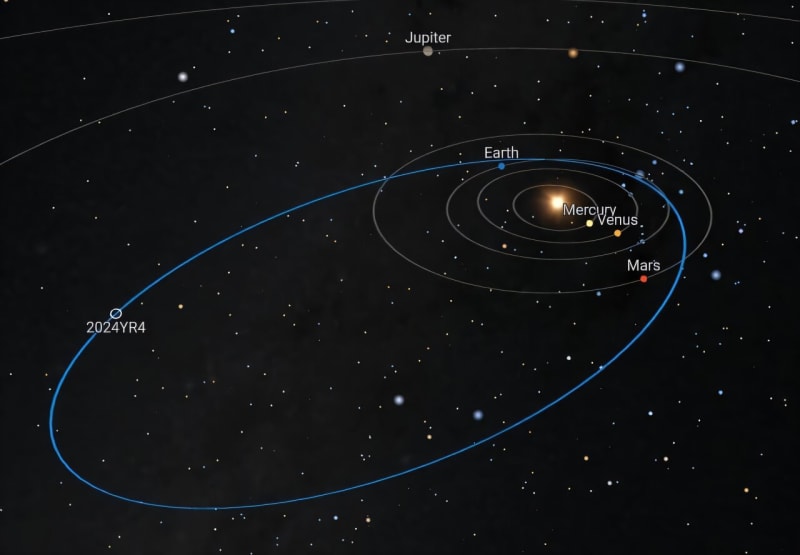
The most dangerous asteroid ever discovered won't hit Earth or the moon after all, thanks to NASA's powerful James Webb Space Telescope tracking it 280 million miles away. Scientists now have proof that asteroid 2024 YR4 will safely pass by both worlds in December 2032.

Scientific American3 min read
Backyard Stargazers Now Help Defend Earth From Asteroids
Planet WinsJan 27

Backyard Stargazers Now Help Defend Earth From Asteroids

Amateur astronomers with smart telescopes are joining NASA missions to track dangerous asteroids and discover comets. One citizen scientist in South Africa captured crucial data during NASA's asteroid deflection test.

Space.com3 min read
🌍
Planet WinsMar 19

China Targets 2027 Launch for Asteroid Defense Mission

China is preparing to launch its first planetary defense mission in December 2027, aiming a spacecraft at asteroid 2016 WP8 to test humanity's ability to protect Earth from space threats. The mission marks another nation joining the effort to keep our planet safe from asteroids.

SpaceNews3 min read
Scientists Ready to Pulverize Asteroids Using Existing Tech
InnovationApr 1

Scientists Ready to Pulverize Asteroids Using Existing Tech

A team at UC Santa Barbara has designed a system to blast dangerous asteroids into harmless bits using rockets and technology we already have. Unlike asteroid deflection methods, this "Pulverize It" program could work even with short warning times.

Scientific American3 min read
NASA Proves We Can Deflect Asteroids to Protect Earth
InnovationMar 7

NASA Proves We Can Deflect Asteroids to Protect Earth

Four years after NASA deliberately crashed a spacecraft into an asteroid, new research confirms humanity just changed a space rock's path around the Sun for the first time ever. The successful experiment means we now have a proven way to protect our planet from future asteroid threats.

France 24 English3 min read
NASA Solves Asteroid Bennu's Boulder Mystery
Planet WinsMar 17

NASA Solves Asteroid Bennu's Boulder Mystery

Scientists finally cracked the puzzle of why asteroid Bennu looked so unexpectedly rocky when NASA's spacecraft arrived. The answer hiding inside samples brought back to Earth reveals a fractured world that changes how we understand asteroids.

NASA3 min read
New Rubin Observatory Spots 1,500 Asteroids in First Images
InnovationMay 16

New Rubin Observatory Spots 1,500 Asteroids in First Images

The world's most powerful space survey telescope just started collecting data, and it's already discovering asteroids at a mind-blowing pace. In its very first images, the Rubin Observatory found 1,500 new asteroids, including some spinning faster than scientists thought possible.

Google News - Science3 min read

Showing 20 of 7980