Search

Find uplifting stories about heroes, innovations, and solutions

40 results for "jwst"

JWST Reveals Stunning New Details of "Eye of God" Nebula
InnovationJan 22

JWST Reveals Stunning New Details of "Eye of God" Nebula

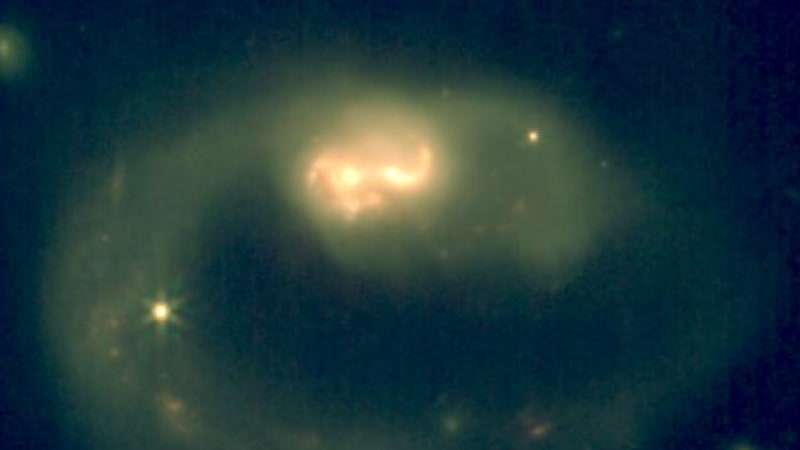
NASA's James Webb Space Telescope captured breathtaking new images of the Helix Nebula, revealing intricate details of dying stars creating the building blocks for future worlds. What once looked like hazy clouds now appears as a gorgeous tapestry of cosmic recycling in action.
Scientific American2 min read
JWST Spots 13-Billion-Year-Old Galaxy With First Stars
InnovationMay 13

JWST Spots 13-Billion-Year-Old Galaxy With First Stars

Scientists using the James Webb Space Telescope discovered a tiny galaxy from 800 million years after the Big Bang that contains remains of the universe's very first stars. This "cosmic fossil" is helping astronomers understand how the earliest stars created the elements that eventually made planets and people possible.

Scientific American3 min read
JWST Finds Life's Building Blocks in Distant Galaxy
Planet WinsFeb 7

JWST Finds Life's Building Blocks in Distant Galaxy

The James Webb Space Telescope discovered complex organic molecules in a nearby galaxy that could be the first steps toward life. Scientists found chemicals never before seen outside the Milky Way, revealing how life's ingredients form across the universe.

Space.com2 min read
Scientists Solve Saturn's 22-Year Spin Mystery With JWST
InnovationMar 28

Scientists Solve Saturn's 22-Year Spin Mystery With JWST

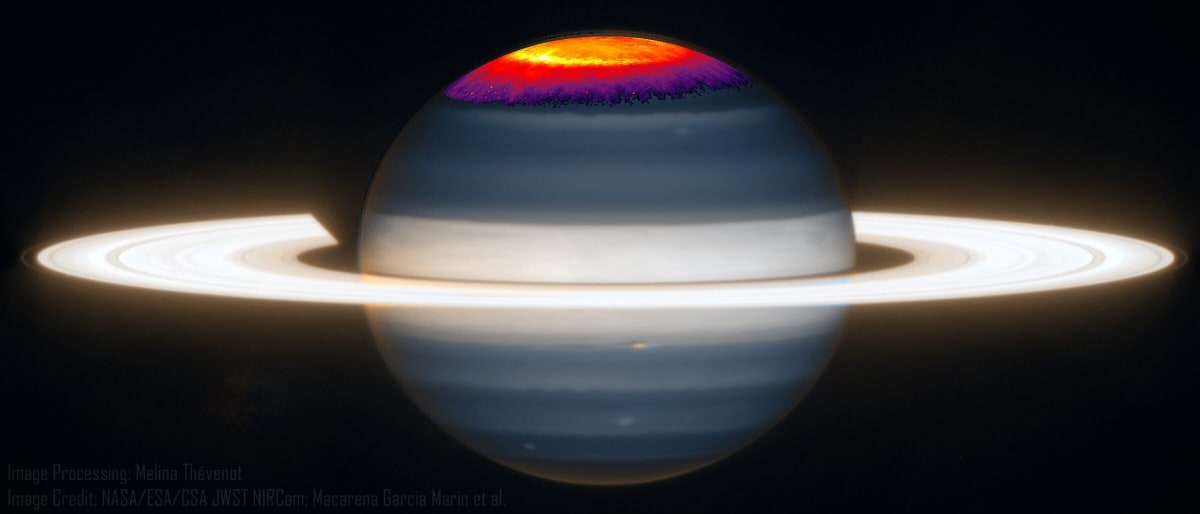
Researchers finally cracked a puzzle that stumped scientists since 2004: why Saturn seemed to spin at different speeds. The answer reveals a beautiful feedback loop powered by the planet's own northern lights.

Google News - Science3 min read
JWST Maps Universe's Skeleton in Stunning Detail
InnovationMay 16

JWST Maps Universe's Skeleton in Stunning Detail

The James Webb Space Telescope has created the clearest map ever of the cosmic web, revealing the universe's hidden structure from when it was just a billion years old. This breakthrough gives scientists an unprecedented view of how galaxies connect across space and time.

Google: James Webb telescope3 min read
JWST Creates Most Detailed Dark Matter Map Ever Made
InnovationJan 26

JWST Creates Most Detailed Dark Matter Map Ever Made

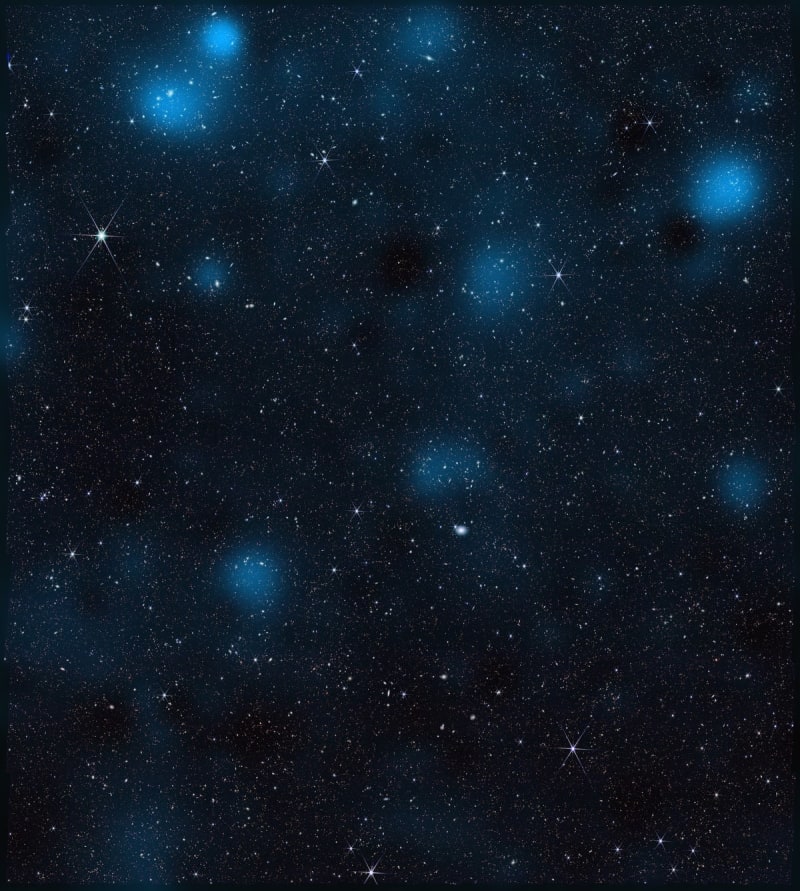
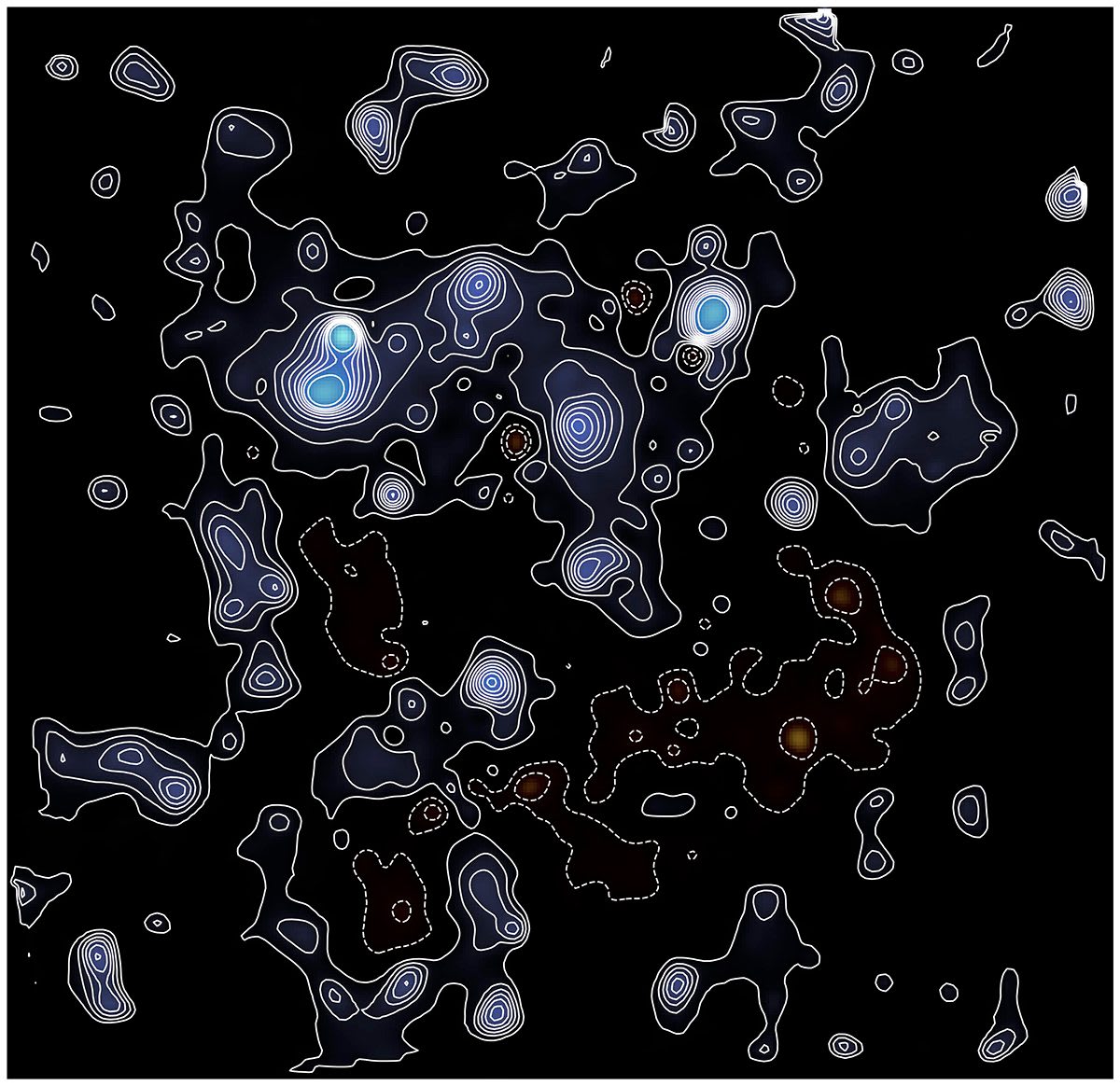
Scientists used the James Webb Space Telescope to create the most detailed map of dark matter ever made, revealing the invisible scaffolding that holds our universe together. The breakthrough could help us understand how galaxies formed during the universe's most active period.

Google: James Webb telescope2 min read
JWST Maps Dark Matter in Unprecedented Detail
InnovationJan 26

JWST Maps Dark Matter in Unprecedented Detail

Scientists just unveiled the most detailed map of dark matter ever created, revealing the invisible scaffolding that holds our universe together. Using the James Webb Space Telescope, they can now see structures too small for previous telescopes to detect.

Scientific American3 min read
Scientists Map Dark Matter Across the Universe with JWST
InnovationApr 15

Scientists Map Dark Matter Across the Universe with JWST

Astrophysicists created the highest resolution map ever of dark matter, the invisible substance that makes up 27% of the Universe and holds galaxies together. Using the James Webb Space Telescope, they can now see cosmic structures we've never glimpsed before.

Google: James Webb telescope3 min read
Young Galaxies Grew Up Fast, JWST Reveals
InnovationJan 20

Young Galaxies Grew Up Fast, JWST Reveals

New images from the James Webb Space Telescope show galaxies that are just 1 billion years old already packed with heavy elements and spinning like adults. Scientists are stunned by how these cosmic toddlers developed the chemistry and structure of teenagers in record time.

Space.com2 min read
JWST Solves 20-Year Mystery of Impossible Giant Planets
InnovationMar 13

JWST Solves 20-Year Mystery of Impossible Giant Planets

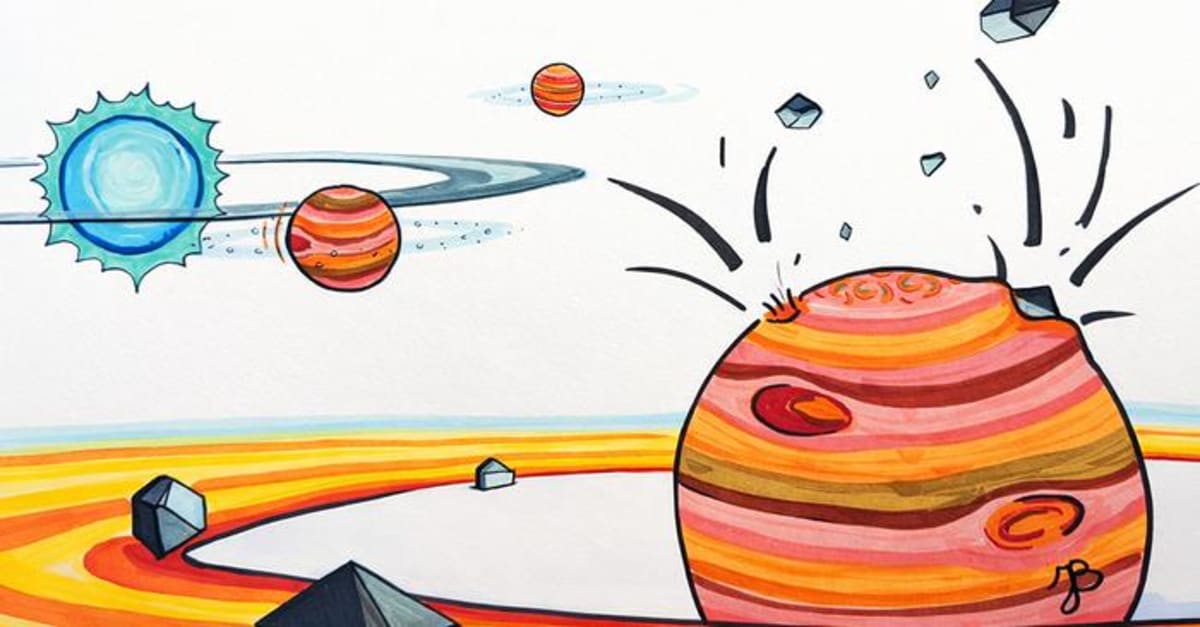
Scientists finally cracked the case of four giant planets that shouldn't exist, using the James Webb Space Telescope to reveal how they grew so massive in the frozen outer reaches of their solar system. The discovery confirms our planet-building theories work even in extreme conditions.

Google: James Webb telescope3 min read
JWST Spots Ancient "Monster Stars" Before Black Hole Birth
InnovationMar 4

JWST Spots Ancient "Monster Stars" Before Black Hole Birth

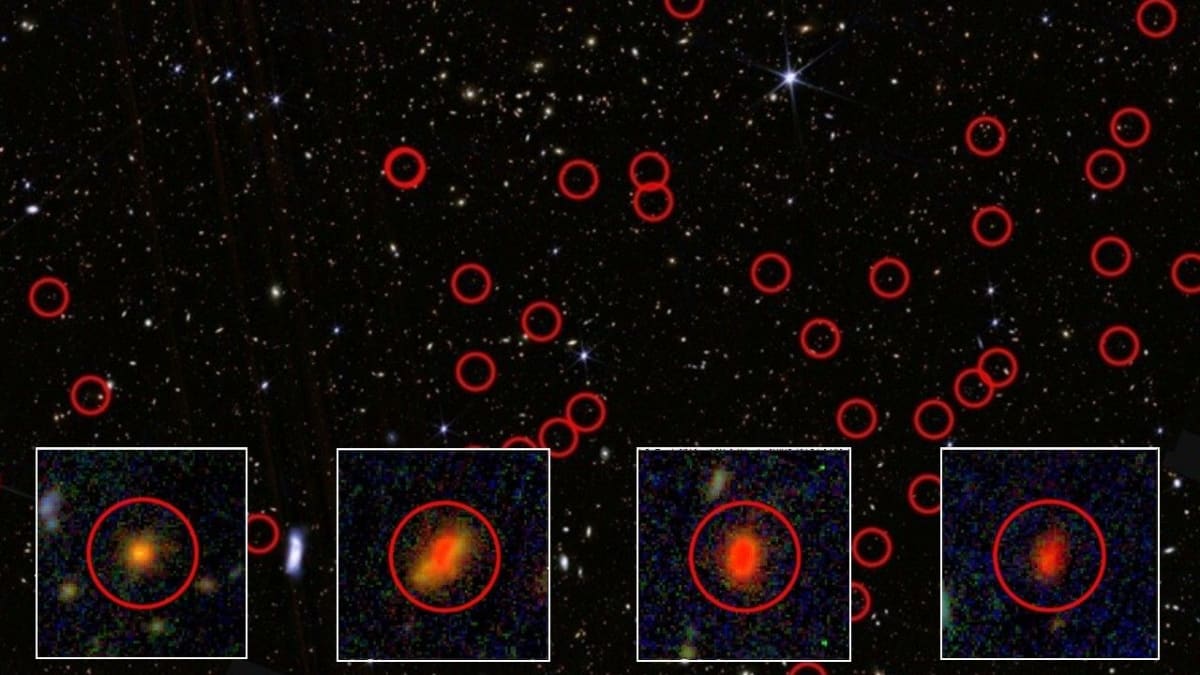
Astronomers think mysterious red dots captured by the James Webb Space Telescope might be giant stars from the universe's first billion years, caught right before collapsing into black holes. These "monster stars" could help solve one of space science's newest puzzles.

Google: James Webb telescope2 min read
JWST Captures Stunning "Brain Nebula" 5,000 Light-Years Away
InnovationFeb 28

JWST Captures Stunning "Brain Nebula" 5,000 Light-Years Away

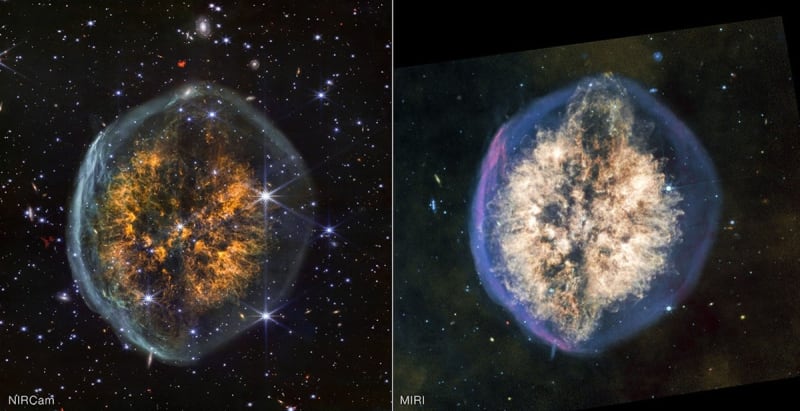
The James Webb Space Telescope just revealed images of a dying star that looks exactly like a glowing brain floating in space. Scientists captured the "Exposed Cranium" Nebula shedding beautiful clouds of gas and dust as it reaches the end of its life.

Scientific American2 min read
Scientists Map New Path to Finding Life Beyond Earth
InnovationMay 21

Scientists Map New Path to Finding Life Beyond Earth

After JWST found several barren planets, astronomers aren't giving up. Two new missions launching by 2040 offer real hope for detecting life on distant worlds.

Google: James Webb telescope2 min read
Neptune's Moon Nereid May Be 4.5 Billion Years Old
Planet WinsMay 23

Neptune's Moon Nereid May Be 4.5 Billion Years Old

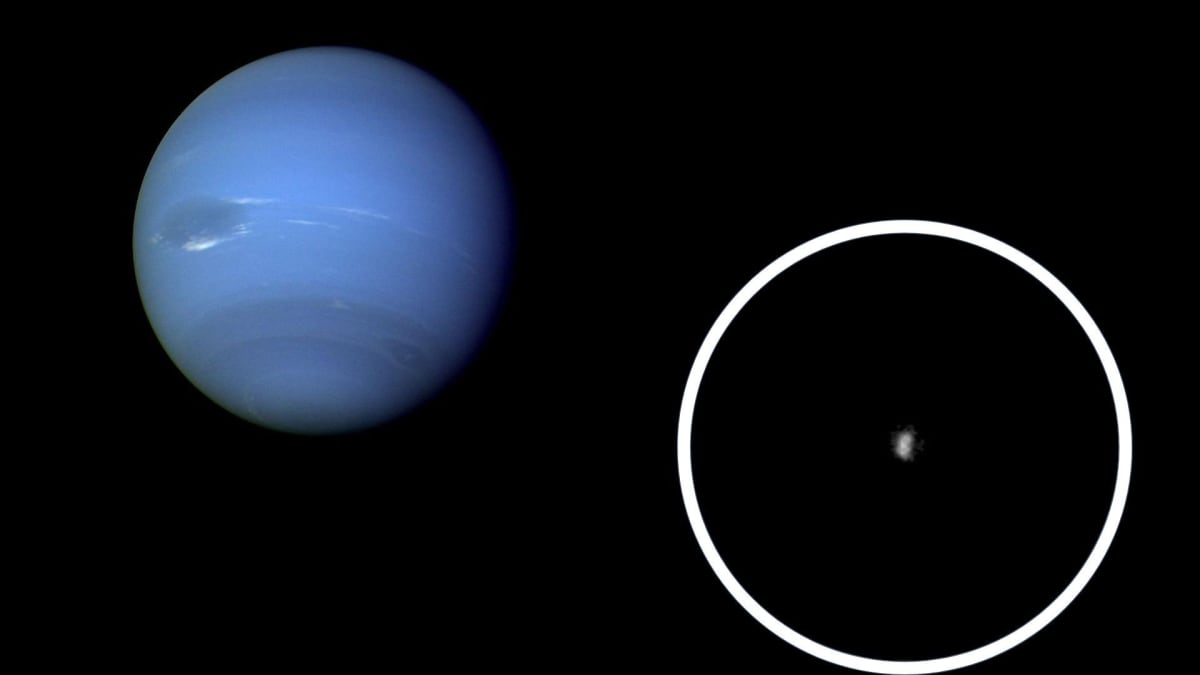
Scientists using the James Webb Space Telescope discovered that Nereid, Neptune's third-largest moon, might be the only survivor from when the planet first formed billions of years ago. This finding could unlock mysteries about how planets across the universe develop their moons.

Google News - Science2 min read
Scientists Find Surprise Ice Clouds on Distant Giant Planet
InnovationApr 22

Scientists Find Surprise Ice Clouds on Distant Giant Planet

The James Webb Space Telescope discovered unexpected water ice clouds on a Jupiter-like planet 12 light-years away, revealing how much we still have to learn about worlds beyond our solar system. The finding shows we're entering a new era where studying alien atmospheres in detail is finally possible.

Science Daily3 min read
Webb Telescope Finds 5 Galaxies Colliding 800M Years Post-Big Bang
InnovationFeb 3

Webb Telescope Finds 5 Galaxies Colliding 800M Years Post-Big Bang

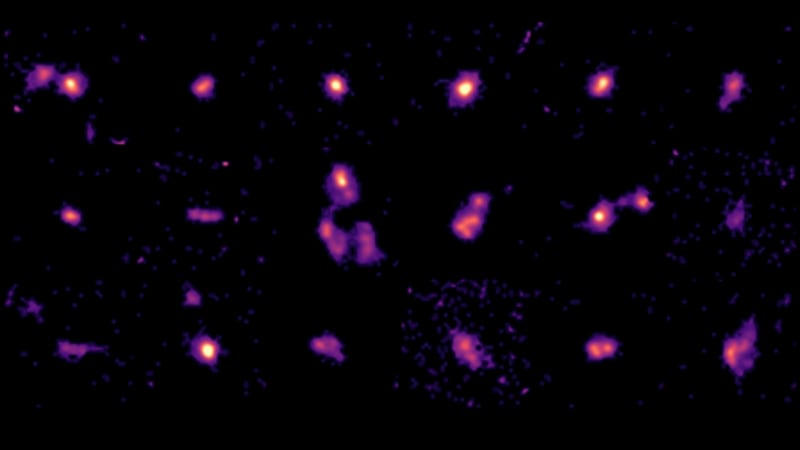
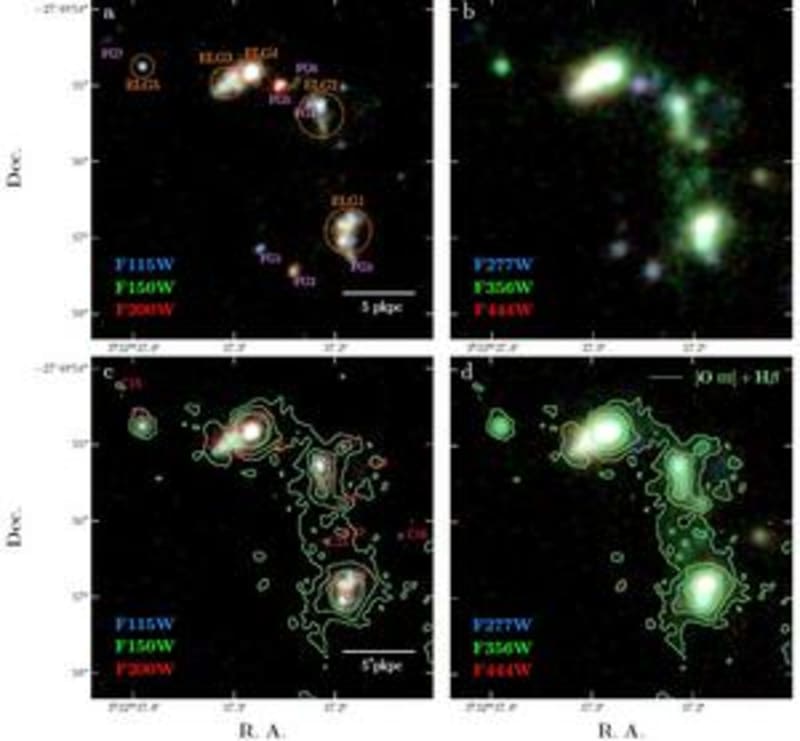
The James Webb Space Telescope discovered five galaxies merging just 800 million years after the Big Bang, billions of years earlier than scientists thought possible. The finding rewrites our understanding of how quickly the early universe came together.

Google: James Webb telescope2 min read
James Webb Finds 'Red Monster' Galaxy From Dawn of Time
InnovationApr 30

James Webb Finds 'Red Monster' Galaxy From Dawn of Time

Astronomers discovered a massive, dust-filled galaxy that existed just 400 million years after the Big Bang, defying everything scientists thought possible about how quickly galaxies can grow. It's like finding a fully grown redwood tree in a field of saplings.

Scientific American2 min read
Scientists Weigh Black Hole 10 Billion Light-Years Away
InnovationJun 7

Scientists Weigh Black Hole 10 Billion Light-Years Away

Astronomers just measured the mass of a dormant black hole from when the universe was young, using the James Webb Space Telescope and a cosmic magnifying glass. The breakthrough could help us understand how the first galaxies formed.

Engadget3 min read
James Webb Telescope Spots Magnesium Clouds on Distant Planet
InnovationMay 31

James Webb Telescope Spots Magnesium Clouds on Distant Planet

For the first time, scientists have mapped daily weather patterns on a planet 700 light-years away, revealing mornings filled with metallic clouds that vanish by evening. The James Webb Space Telescope's powerful eye is unlocking secrets about distant worlds we could never see before.

Google: James Webb telescope3 min read
Scientists Find 4 Star Generations in Ancient Cluster
Innovation5d ago

Scientists Find 4 Star Generations in Ancient Cluster

A glowing sphere of stars called Terzan 5 may be a leftover building block from our galaxy's earliest days. Scientists discovered it holds four generations of stars instead of one, making it a cosmic fossil that could unlock secrets about how the Milky Way formed.

Space.com2 min read

Showing 20 of 40