Search

Find uplifting stories about heroes, innovations, and solutions

4525 results for "planet formation"

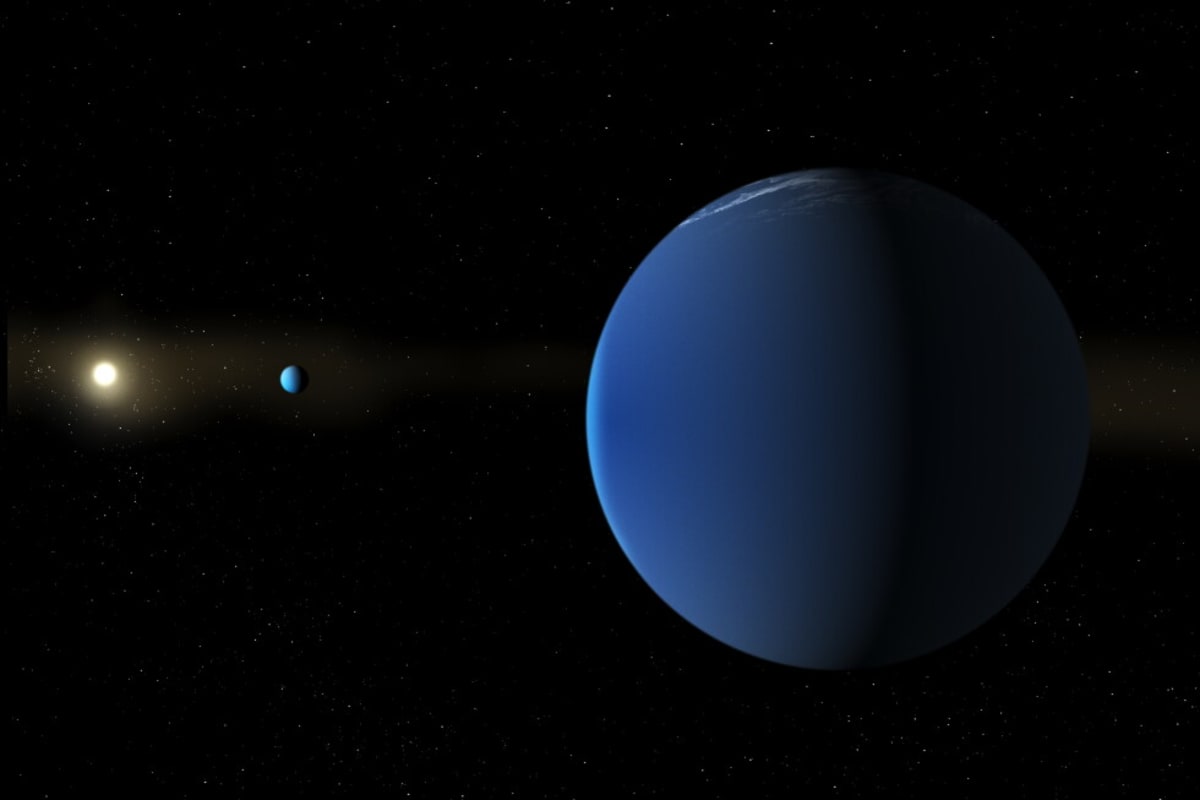
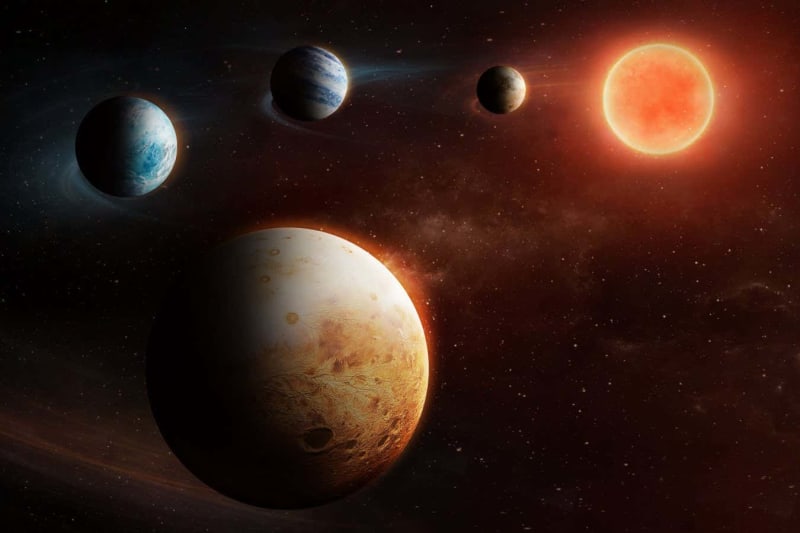
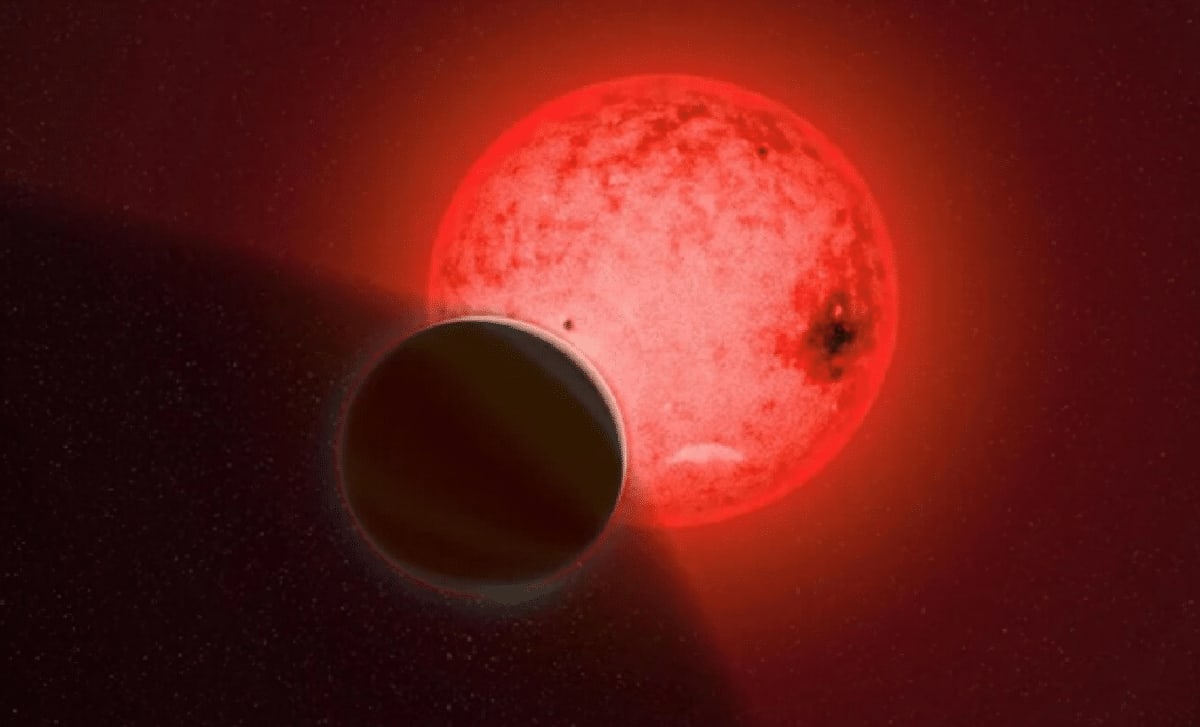
Inside-Out Planet System Rewrites Formation Rulebook
Planet WinsFeb 13

Inside-Out Planet System Rewrites Formation Rulebook

Astronomers discovered a rare planetary system that formed backward, with rocky planets at the edge instead of the center. The find shows the universe creates worlds in more diverse ways than we ever imagined.
New Scientist3 min read
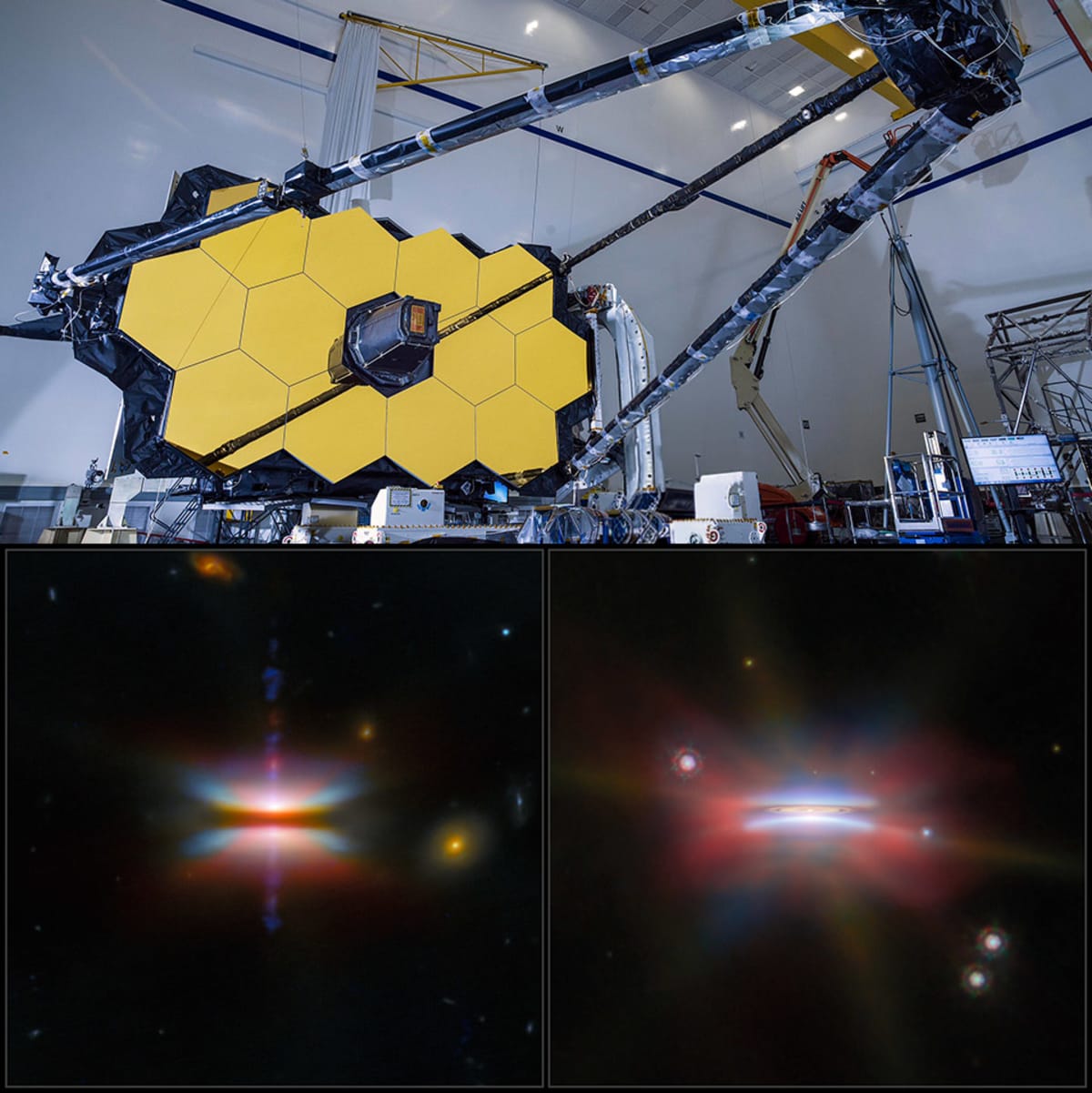
Webb Telescope Captures Planets Being Born 450 Light-Years Away
InnovationApr 7

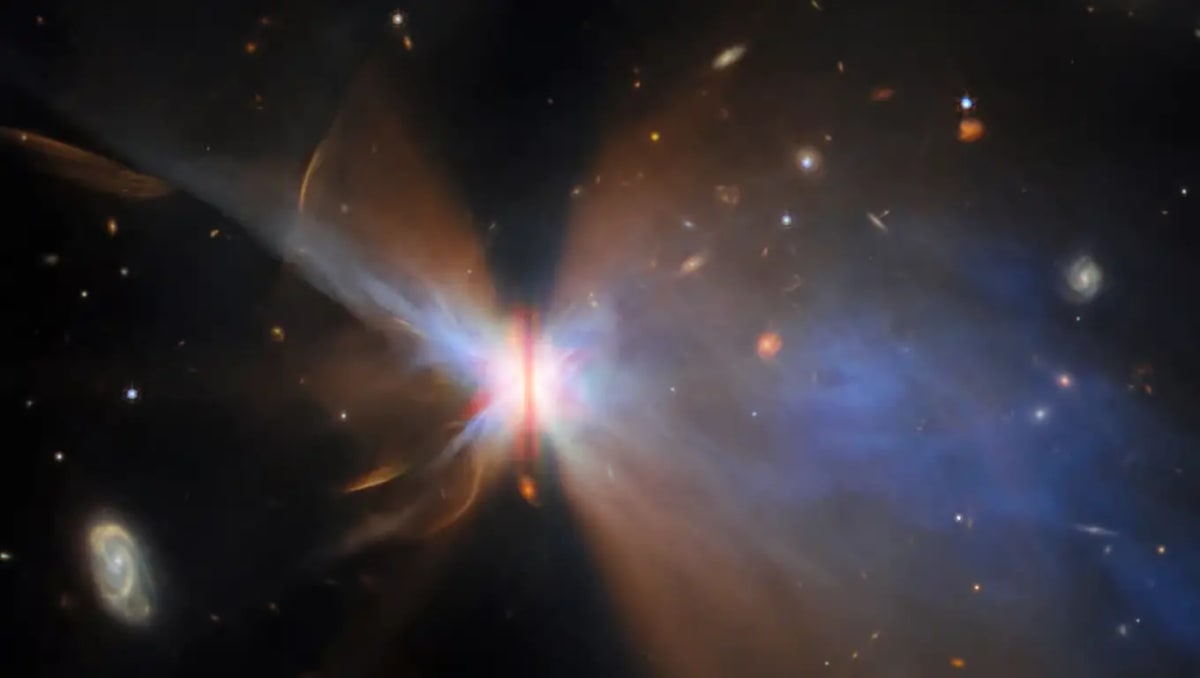
Webb Telescope Captures Planets Being Born 450 Light-Years Away

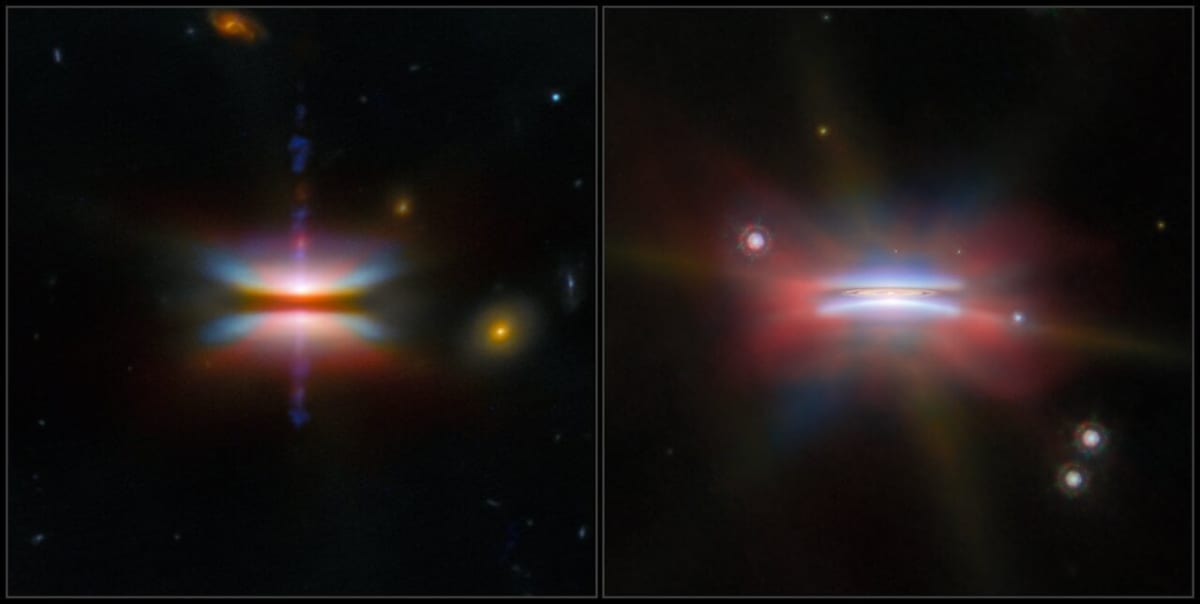
NASA's James Webb Space Telescope just gave us a front-row seat to planet formation, capturing stunning images of two young stars surrounded by the cosmic dust and gas that will become new worlds. These images reveal exactly how planets grow from tiny particles into massive spheres orbiting distant suns.

Google: James Webb telescope2 min read
Giant "Forbidden Planet" Rewrites Formation Theories
InnovationApr 4

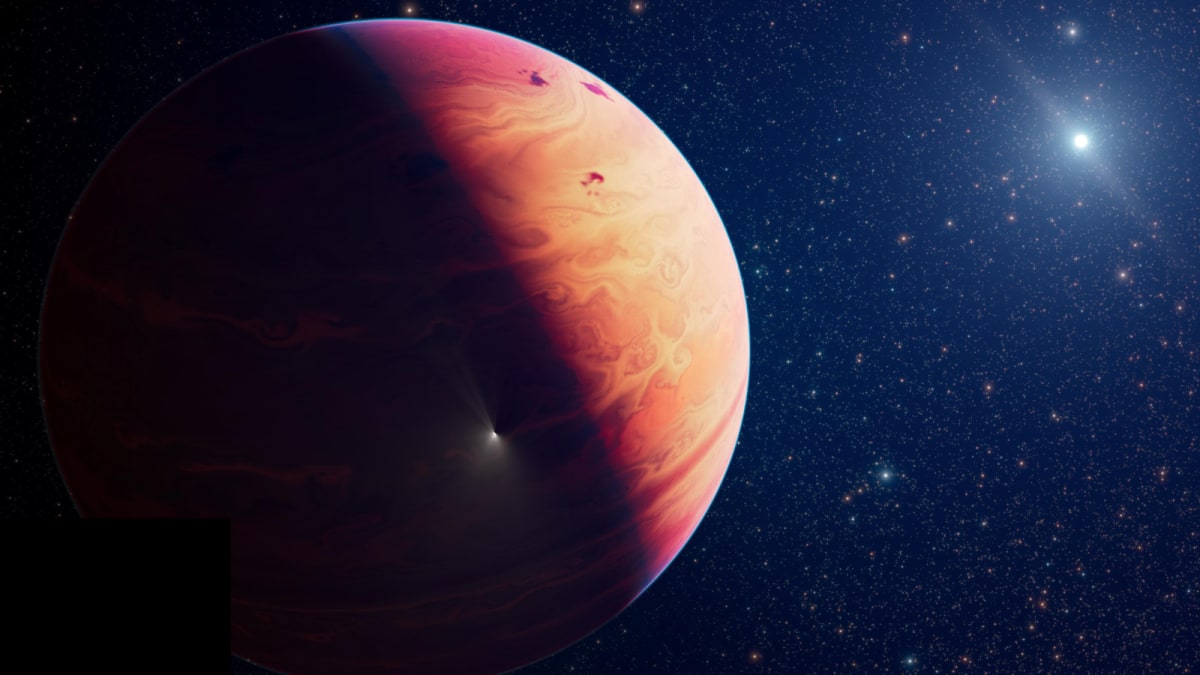
Giant "Forbidden Planet" Rewrites Formation Theories

Astronomers using the James Webb Space Telescope discovered a Jupiter-sized planet orbiting a tiny star that shouldn't exist, with an atmosphere that challenges everything we thought we knew about how planets form.

Google News - Science3 min read
Webb Telescope Solves Mystery of Giant Planet Formation
InnovationApr 14

Webb Telescope Solves Mystery of Giant Planet Formation

NASA's James Webb Space Telescope just confirmed how the universe's heaviest planets are born, settling a long debate among astronomers. The discovery shows that even planets 15 times bigger than Jupiter form the same way Earth did.

Google: James Webb telescope3 min read
Rocky Planet 116 Light-Years Away Rewrites Formation Rules
InnovationFeb 14

Rocky Planet 116 Light-Years Away Rewrites Formation Rules

Scientists discovered a solar system that flips our understanding of how planets form, with a rocky planet orbiting beyond gas giants in a pattern never seen before. The finding could reshape what we know about planetary birth around the universe's most common stars.

Google News - Science2 min read
Telescope Reveals Chaotic 'Teen Years' of Young Planets
InnovationJan 28

Telescope Reveals Chaotic 'Teen Years' of Young Planets

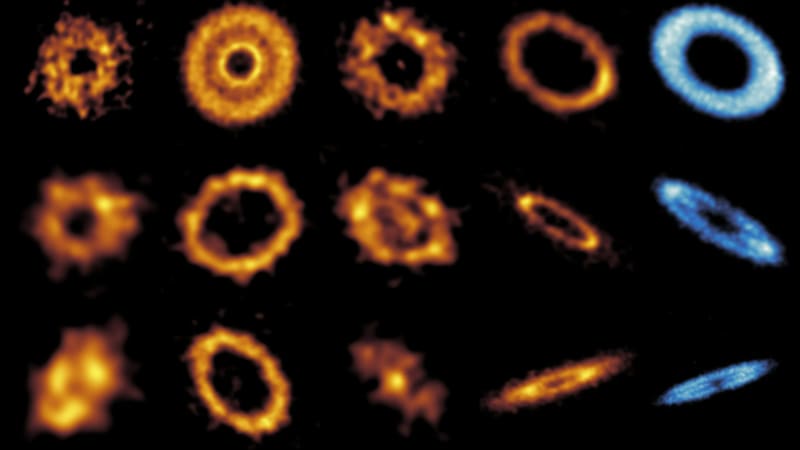
Scientists using the world's largest radio telescope have captured the first detailed images of planetary systems going through their violent "teenage" phase, solving a mystery about how planets grow up. The discovery helps explain Earth's moon formation and fills a major gap in our understanding of how solar systems evolve. #

Space.com3 min read
Webb Telescope Spots Possible Planet Being Born
InnovationApr 9

Webb Telescope Spots Possible Planet Being Born

The James Webb Space Telescope captured stunning images of two planet-forming disks, and one may contain a newborn planet clearing its path through cosmic dust. Scientists are watching planetary birth in real time, 480 light-years away.

Google: James Webb telescope2 min read
Hubble Finds Giant 'Chaotic' Planet Nursery 400B Miles Wide
InnovationMay 12

Hubble Finds Giant 'Chaotic' Planet Nursery 400B Miles Wide

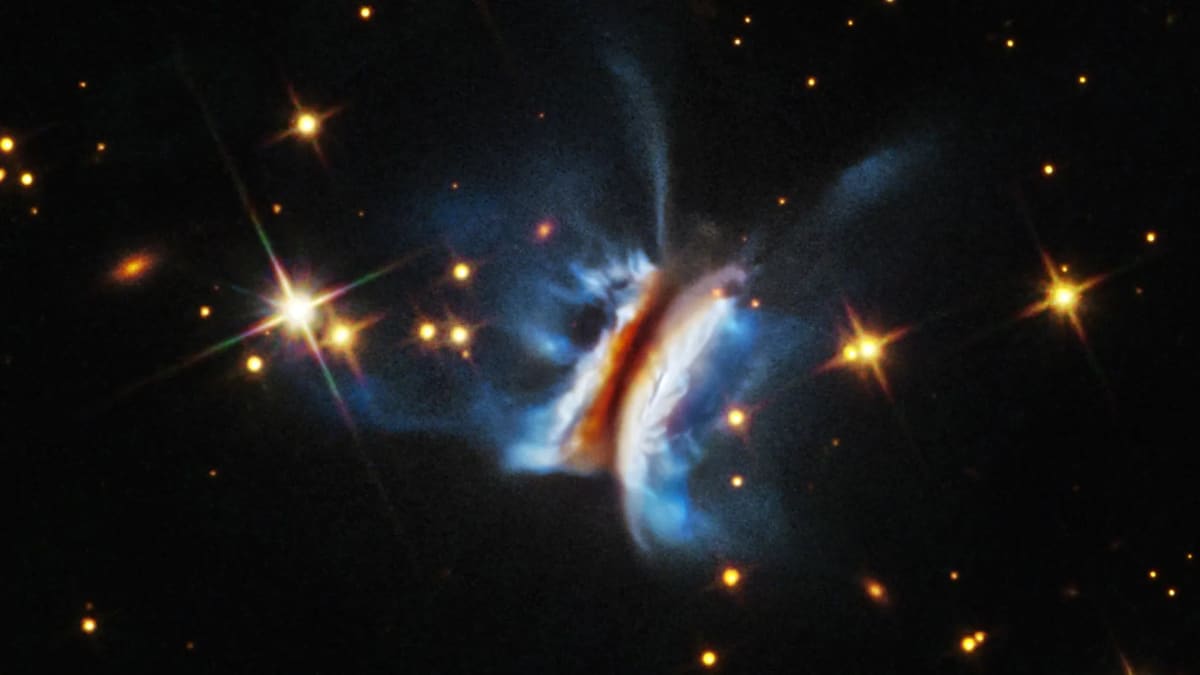
NASA's Hubble telescope discovered the largest planet-forming disk ever seen, stretching 400 billion miles across with bizarre one-sided structures that could rewrite our understanding of how planets are born. The massive disk contains enough material to create multiple giant planets.

Science Daily3 min read
Hubble Spots Giant 'Chaotic' Planet Nursery 400B Miles Wide
InnovationMay 13

Hubble Spots Giant 'Chaotic' Planet Nursery 400B Miles Wide

NASA's Hubble Space Telescope just captured the largest planet-forming disk ever seen, and it's nothing like scientists expected. The enormous cosmic nursery could reshape our understanding of how planets are born.

Google: NASA discovery2 min read
Giant Planet Discovery Reveals How Massive Worlds Form
InnovationApr 16

Giant Planet Discovery Reveals How Massive Worlds Form

The James Webb Space Telescope found a supergiant planet that collected metal-rich materials as it formed, solving a cosmic mystery about how the universe's largest planets are born. This discovery could rewrite our understanding of planet formation.

Google: James Webb telescope2 min read
Webb Telescope Captures Baby Planet 525 Light-Years Away
InnovationMar 27

Webb Telescope Captures Baby Planet 525 Light-Years Away

The James Webb Space Telescope has captured an unprecedented image of a planet actually forming in real time, just 525 light-years from Earth. Scientists are watching material gather and swirl as a new world assembles itself from cosmic dust.

Google: James Webb telescope2 min read
Baby Planets Shed Light on Solar System Mystery
InnovationJan 18

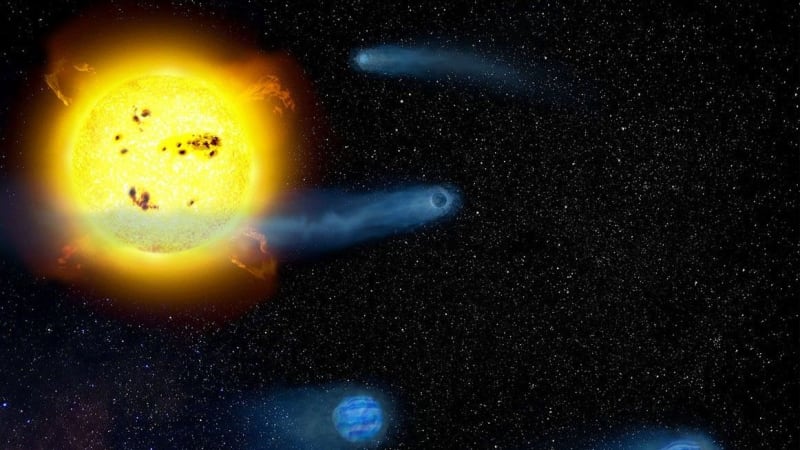
Baby Planets Shed Light on Solar System Mystery

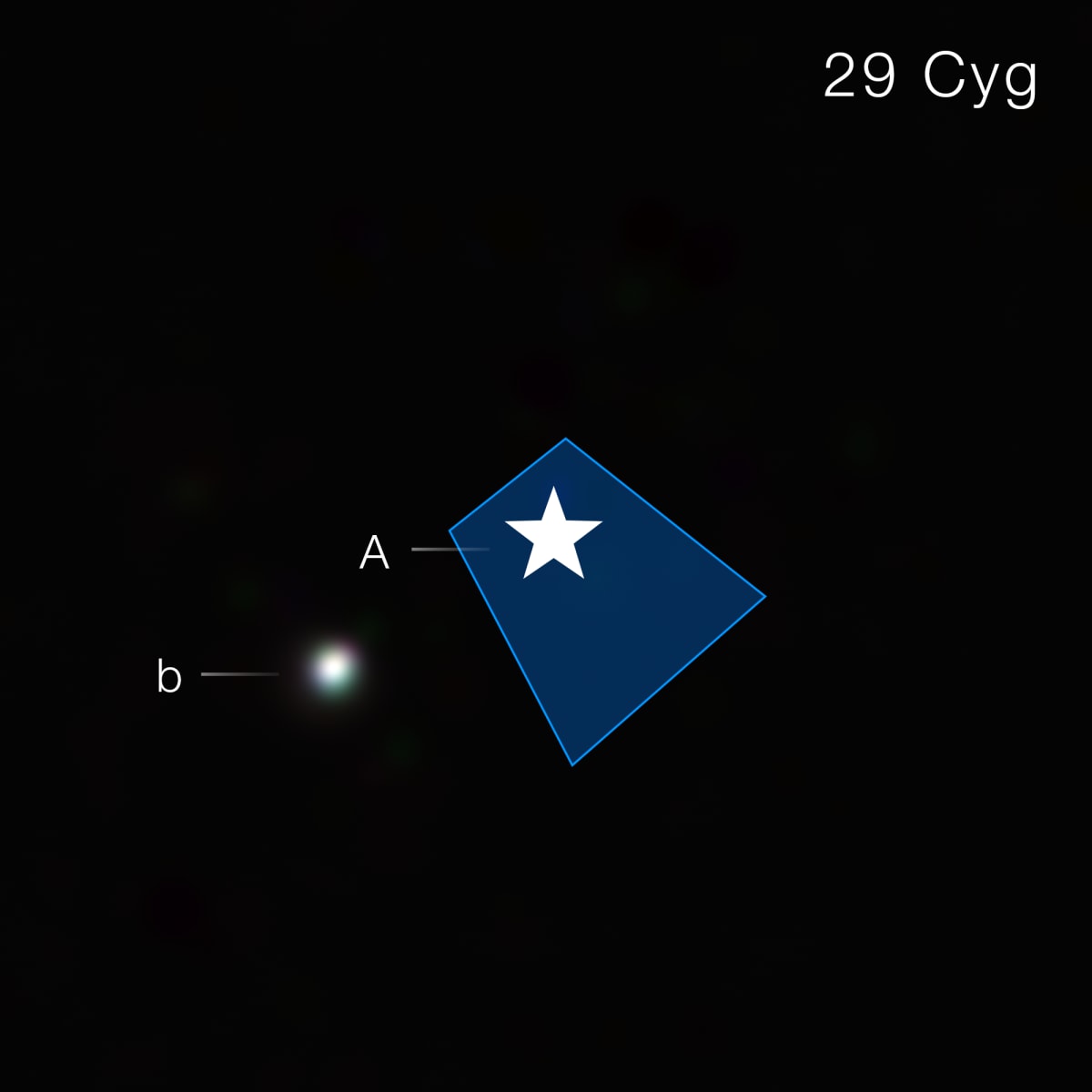
Astronomers have captured four young planets still forming around a distant star, revealing how they evolve from puffy gas giants into the common worlds found throughout our galaxy. The discovery fills a crucial gap in understanding how planetary systems like ours come to be.

Live Science3 min read
Planets May Form Easier Around Two Suns Than One
Planet WinsApr 29

Planets May Form Easier Around Two Suns Than One

New research reveals that binary star systems might be better planet factories than single stars like our sun. Tatooine-style worlds with twin suns could be the norm rather than the exception across our galaxy.

Space.com3 min read
Scientists Find Missing Link in How Planets Form
InnovationFeb 1

Scientists Find Missing Link in How Planets Form

Astronomers discovered four "baby" planets caught in the act of transforming into the galaxy's most common type of world. The breakthrough solves a mystery about how super-Earths and sub-Neptunes take shape.

Science Daily3 min read
Webb Telescope Solves Mystery of 15-Jupiter-Mass Planet
Planet WinsApr 15

Webb Telescope Solves Mystery of 15-Jupiter-Mass Planet

NASA's Webb Telescope just proved that a planet 15 times heavier than Jupiter formed the same way Earth did, rewriting the rules on how massive planets can grow. The discovery shows that giant worlds can build up piece by piece, even when they get enormously heavy.

Google News - Science3 min read
NASA Discovers 3 Planets With Orbits Changing in Real Time
InnovationApr 24

NASA Discovers 3 Planets With Orbits Changing in Real Time

Scientists have found a planetary system 370 light-years away where the planets' orbits are shifting so rapidly that astronomers can actually watch the changes happen. Unlike anything seen before, this rare system is giving researchers a front-row seat to how planets reorganize after formation.

Google: NASA discovery3 min read
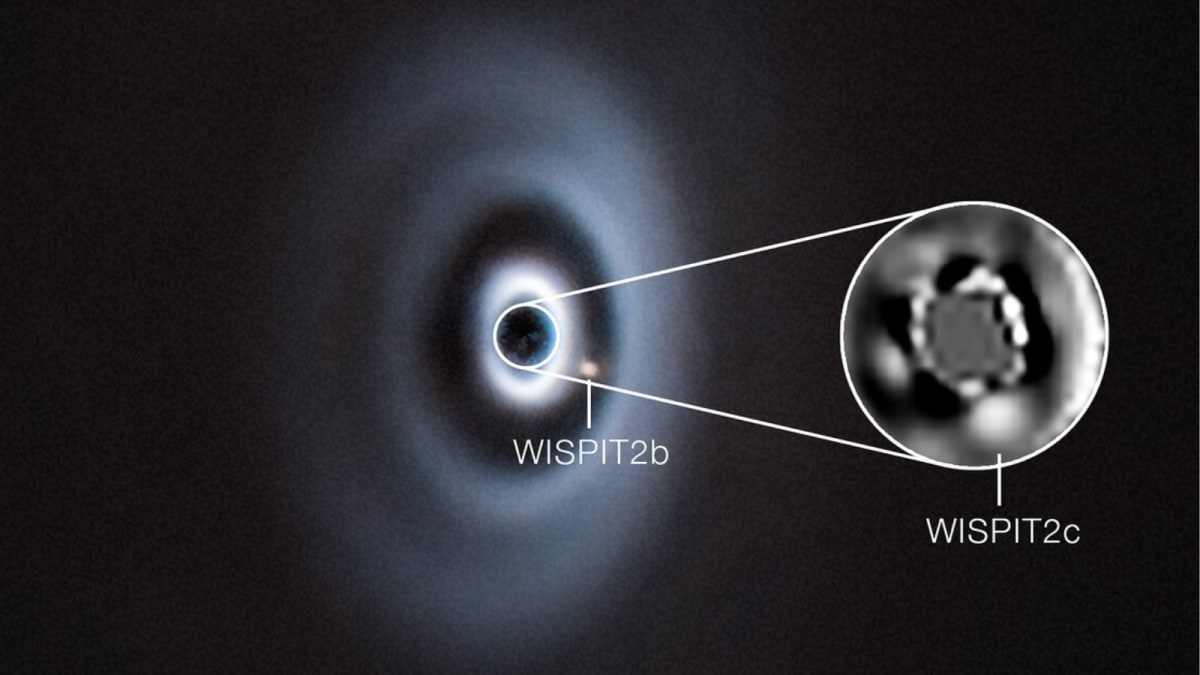
Two Planets Forming Around Young Star Mirror Early Solar System
InnovationMar 25

Two Planets Forming Around Young Star Mirror Early Solar System

Astronomers have captured a rare glimpse of two planets actively forming around a 5.4-million-year-old star, offering our best look yet at what our own solar system looked like 4.6 billion years ago. The discovery could help scientists understand how Earth and its neighboring planets came to be.

Google News - Science2 min read
Mystery Planet Nine Might Exist—Just Farther Than We Thought
Planet Wins2d ago

Mystery Planet Nine Might Exist—Just Farther Than We Thought

Astronomers are finding new clues about a hidden giant planet beyond Neptune, and the mystery is getting more exciting. Fresh discoveries suggest Planet Nine could be real but lurking much farther away than anyone expected.

Science Daily2 min read
NASA Telescope to Find 100,000 New Planets by 2032
InnovationMay 30

NASA Telescope to Find 100,000 New Planets by 2032

NASA's newest space telescope will discover more planets in five years than humanity has found in all of history combined. The Roman Space Telescope, launching in 2027, will also create the first real census of mysterious rogue planets drifting through space without stars.

Google News - Science3 min read
Three Planets Light Up Night Sky This Week
Planet Wins5h ago

Three Planets Light Up Night Sky This Week

Mercury joins Venus and Jupiter for a stunning five-night planet parade visible to the naked eye through Monday. No telescope needed for this cosmic show.

Google News - Science2 min read

Showing 20 of 4525