Search

Find uplifting stories about heroes, innovations, and solutions

130 results for "protoplanetary disk"

Hubble Finds Giant 'Chaotic' Planet Nursery 400B Miles Wide
InnovationMay 12

Hubble Finds Giant 'Chaotic' Planet Nursery 400B Miles Wide

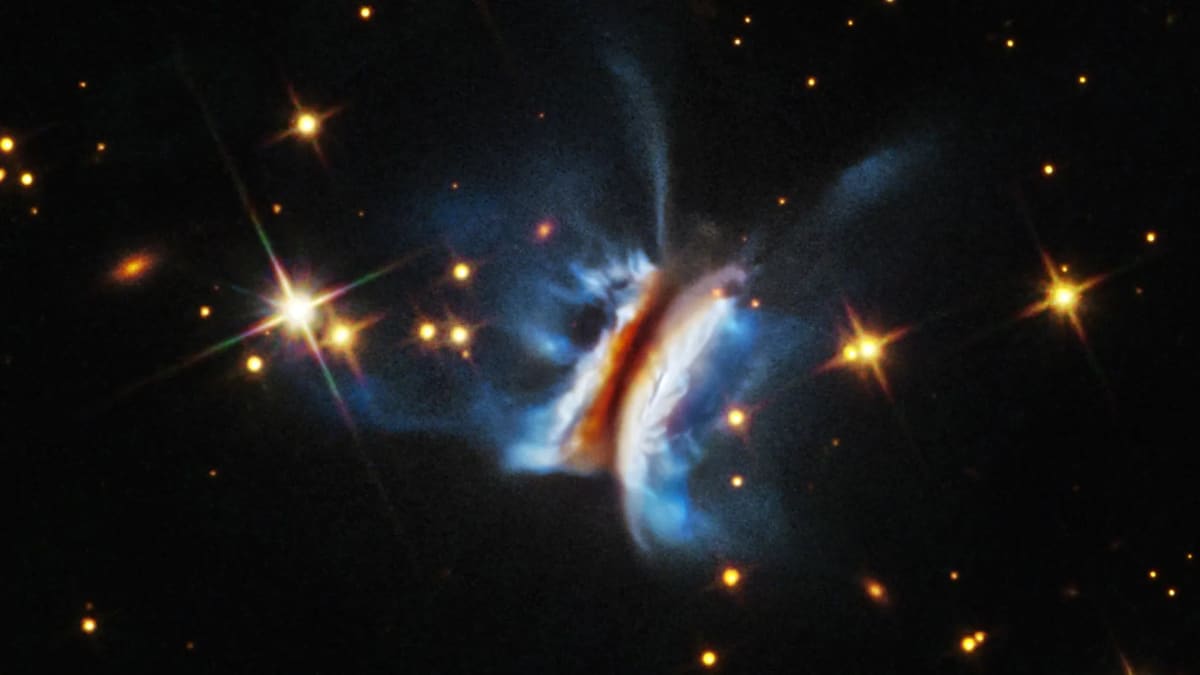
NASA's Hubble telescope discovered the largest planet-forming disk ever seen, stretching 400 billion miles across with bizarre one-sided structures that could rewrite our understanding of how planets are born. The massive disk contains enough material to create multiple giant planets.
Science Daily3 min read
James Webb Captures New Solar Systems Being Born
VideosApr 27

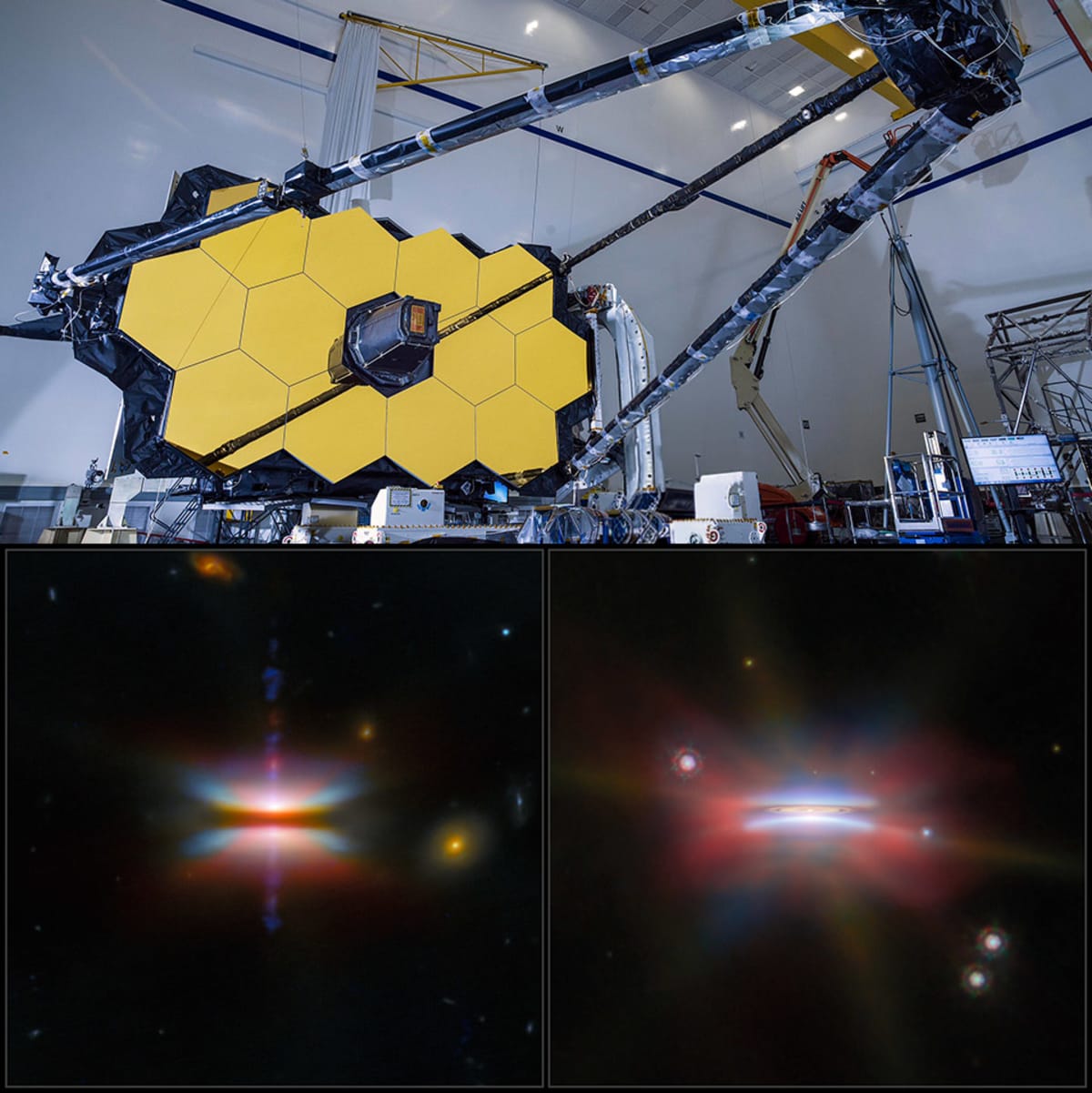
James Webb Captures New Solar Systems Being Born

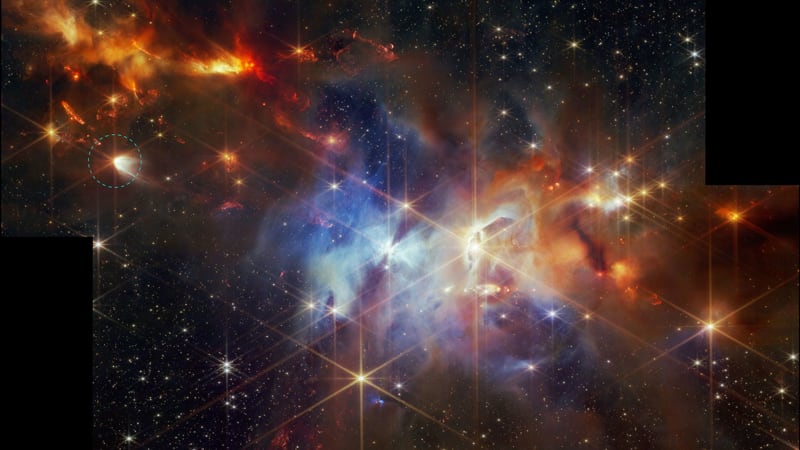
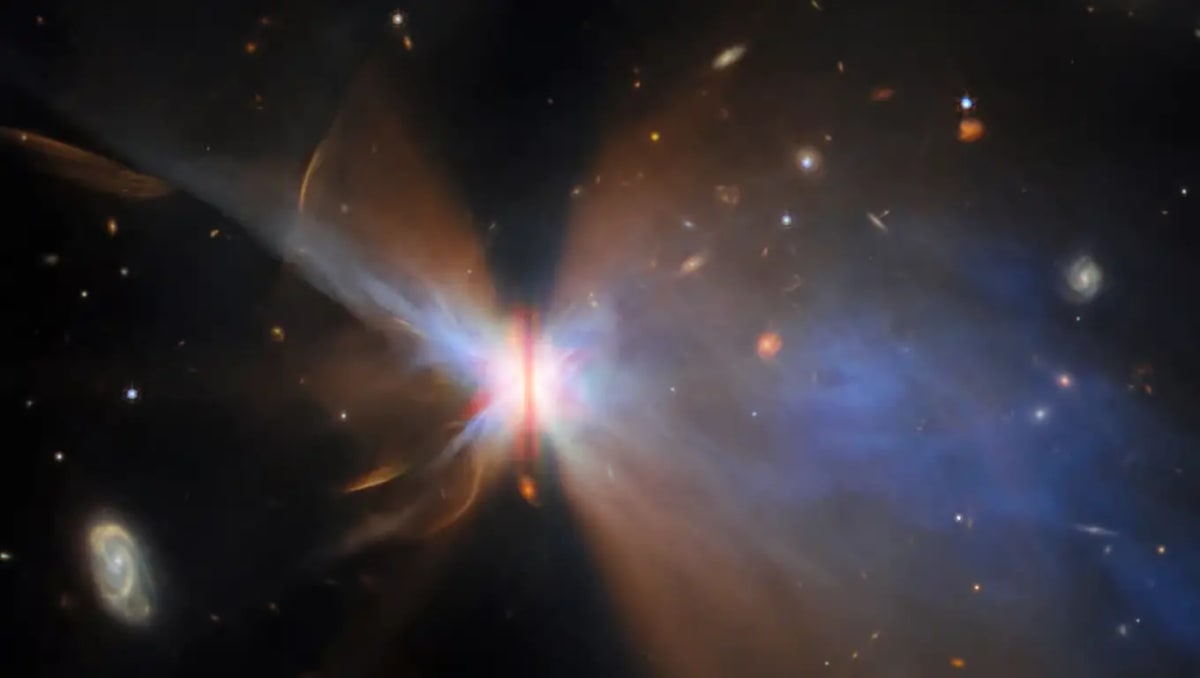
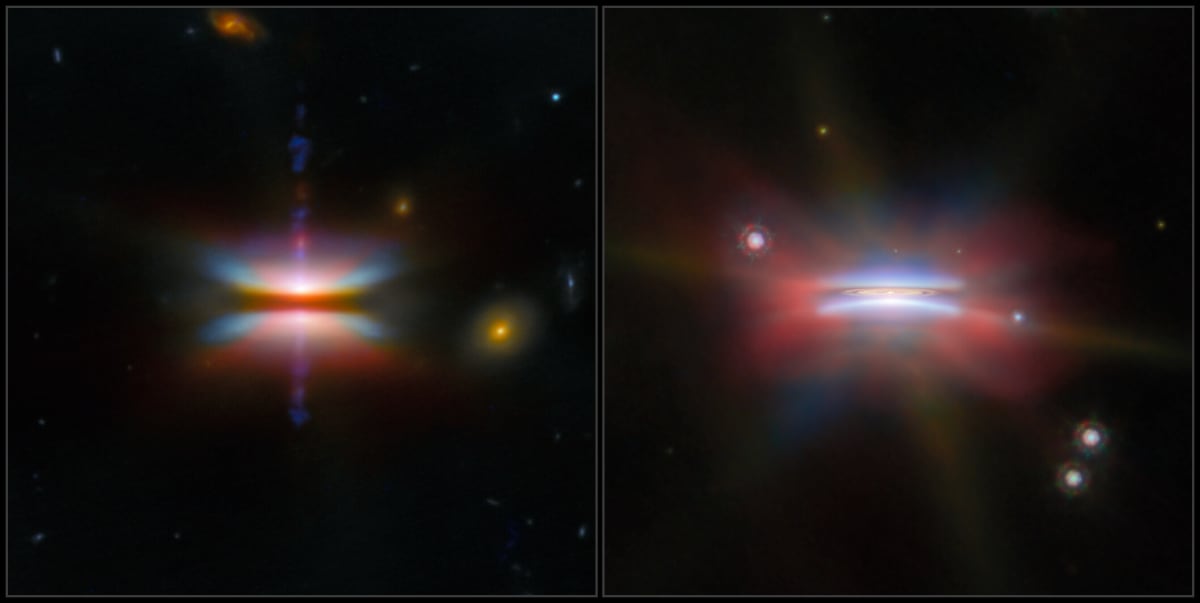
The James Webb Space Telescope has photographed two stunning protoplanetary disks where brand new planets are forming right now, 450 light-years away. Scientists can watch the same process that created our own Earth 4.5 billion years ago.

Google: James Webb telescope3 min read
Hubble Spots Giant 'Chaotic' Planet Nursery 400B Miles Wide
InnovationMay 13

Hubble Spots Giant 'Chaotic' Planet Nursery 400B Miles Wide

NASA's Hubble Space Telescope just captured the largest planet-forming disk ever seen, and it's nothing like scientists expected. The enormous cosmic nursery could reshape our understanding of how planets are born.

Google: NASA discovery2 min read
Webb Telescope Spots Possible Planet Being Born
InnovationApr 9

Webb Telescope Spots Possible Planet Being Born

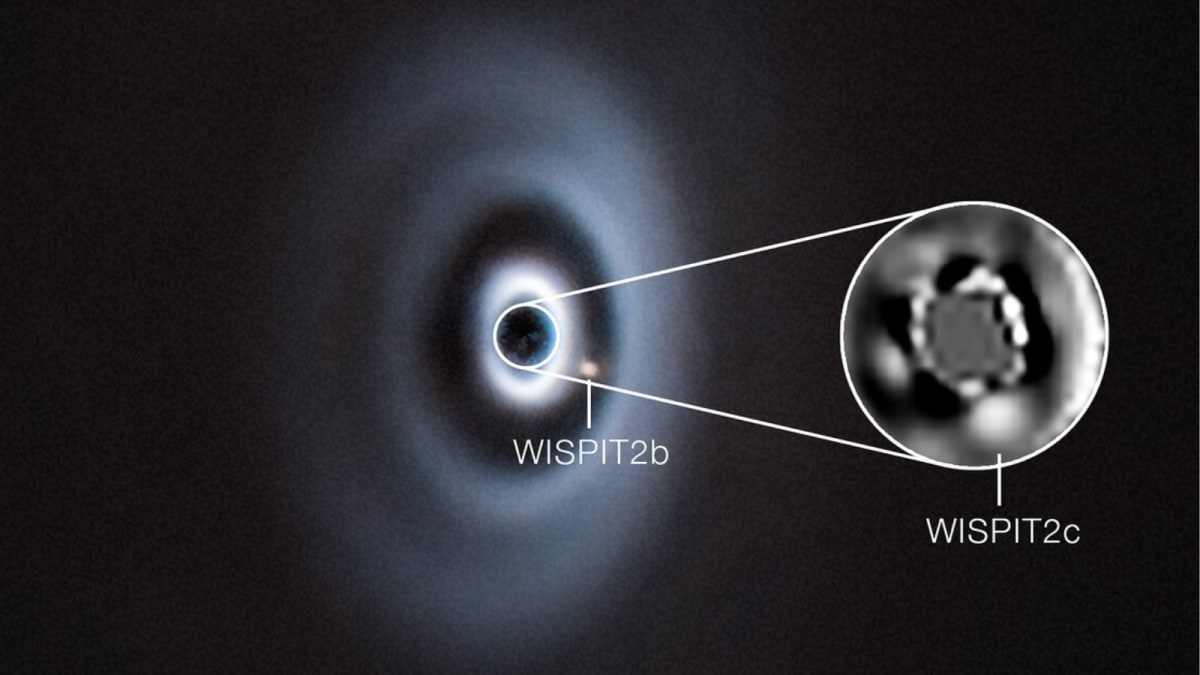
The James Webb Space Telescope captured stunning images of two planet-forming disks, and one may contain a newborn planet clearing its path through cosmic dust. Scientists are watching planetary birth in real time, 480 light-years away.

Google: James Webb telescope2 min read
Webb Telescope Captures Sharpest Black Hole View Ever
InnovationJan 20

Webb Telescope Captures Sharpest Black Hole View Ever

The James Webb Space Telescope has delivered the clearest image ever of a supermassive black hole's dusty feeding disk, solving a decades-old mystery about where the intense glow around these cosmic giants actually comes from. The breakthrough reveals how black holes grow and shape entire galaxies.

Google News - Science3 min read
Universities Open Retro Computing Labs for Gen Z Students
SolutionsFeb 2

Universities Open Retro Computing Labs for Gen Z Students

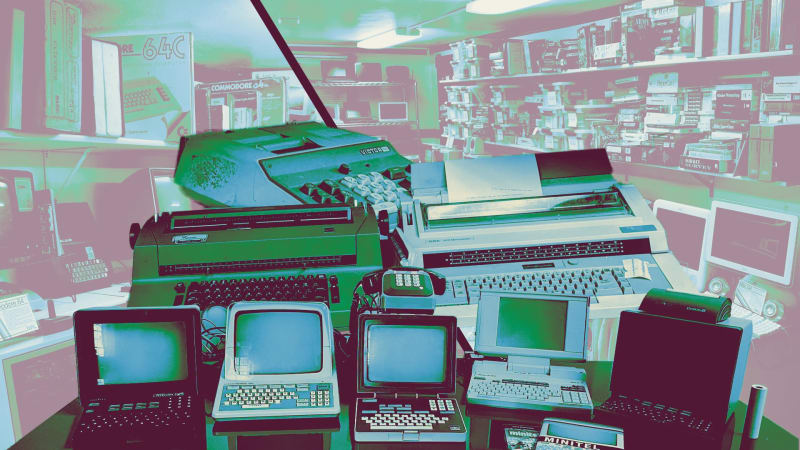
College students are getting hands-on time with floppy disks, Windows 95, and Nintendo 64 consoles in special labs designed to teach computing history. These "retrocomputing" spaces help young people understand how technology evolved and why older systems matter.

Fast Company2 min read
Webb Telescope Reveals Clearest Black Hole Image Ever
InnovationJan 19

Webb Telescope Reveals Clearest Black Hole Image Ever

The James Webb Space Telescope captured the sharpest view ever of a supermassive black hole's surrounding disk, solving a decades-old mystery about where the glow comes from. Scientists can now see twice as clearly into the heart of distant galaxies, opening new doors to understanding how black holes grow and shape the universe. #

Space.com2 min read
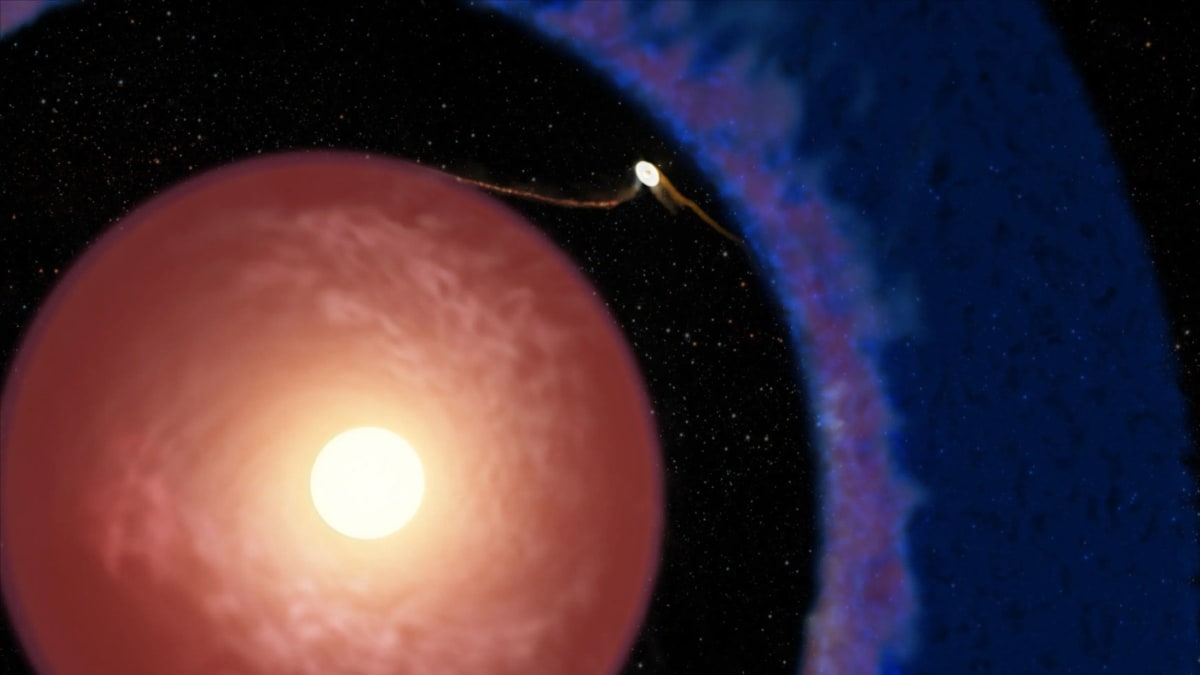
Webb Telescope Sees Star Forge Crystals and Hurl Them to Space
InnovationJan 26

Webb Telescope Sees Star Forge Crystals and Hurl Them to Space

NASA's James Webb Space Telescope captured a young star creating crystals in blazing heat and flinging them billions of miles into its icy outer disk. This cosmic discovery reveals how comets at the edge of our solar system got their mysterious building blocks. #

Google: James Webb telescope2 min read
Webb Telescope Solves Mystery: Is 29 Cygni b Planet or Star?
InnovationApr 17

Webb Telescope Solves Mystery: Is 29 Cygni b Planet or Star?

Scientists used the James Webb Space Telescope to solve a cosmic puzzle about a mysterious object 15 times heavier than Jupiter. The answer reveals how we can finally tell planets and stars apart, even when they're nearly identical in size.

Google: James Webb telescope3 min read
Webb Telescope Captures Baby Planet 525 Light-Years Away
InnovationMar 27

Webb Telescope Captures Baby Planet 525 Light-Years Away

The James Webb Space Telescope has captured an unprecedented image of a planet actually forming in real time, just 525 light-years from Earth. Scientists are watching material gather and swirl as a new world assembles itself from cosmic dust.

Google: James Webb telescope2 min read
Two Planets Forming Around Young Star Mirror Early Solar System
InnovationMar 25

Two Planets Forming Around Young Star Mirror Early Solar System

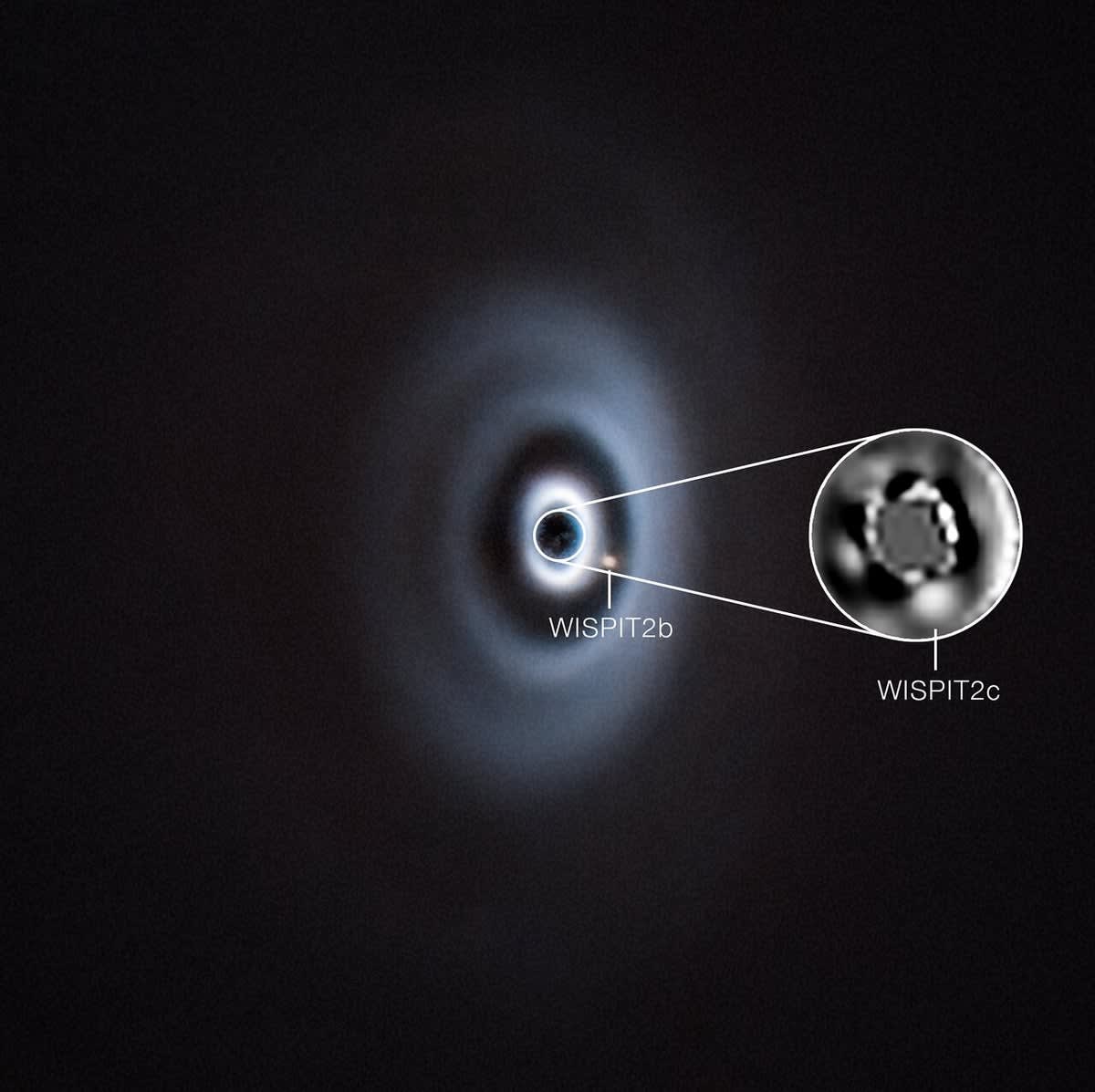
Astronomers have captured a rare glimpse of two planets actively forming around a 5.4-million-year-old star, offering our best look yet at what our own solar system looked like 4.6 billion years ago. The discovery could help scientists understand how Earth and its neighboring planets came to be.

Google News - Science2 min read
Astronomers Find Second-Ever Baby Solar System Forming
Planet WinsMar 24

Astronomers Find Second-Ever Baby Solar System Forming

Scientists have discovered only the second infant solar system ever confirmed, giving us a rare window into how planets are born. The finding could help solve the mystery of how our own solar system came to be.

Scientific American2 min read
Hubble Captures Baby Stars and Planet Nurseries 950 Light-Years Away
InnovationJan 21

Hubble Captures Baby Stars and Planet Nurseries 950 Light-Years Away

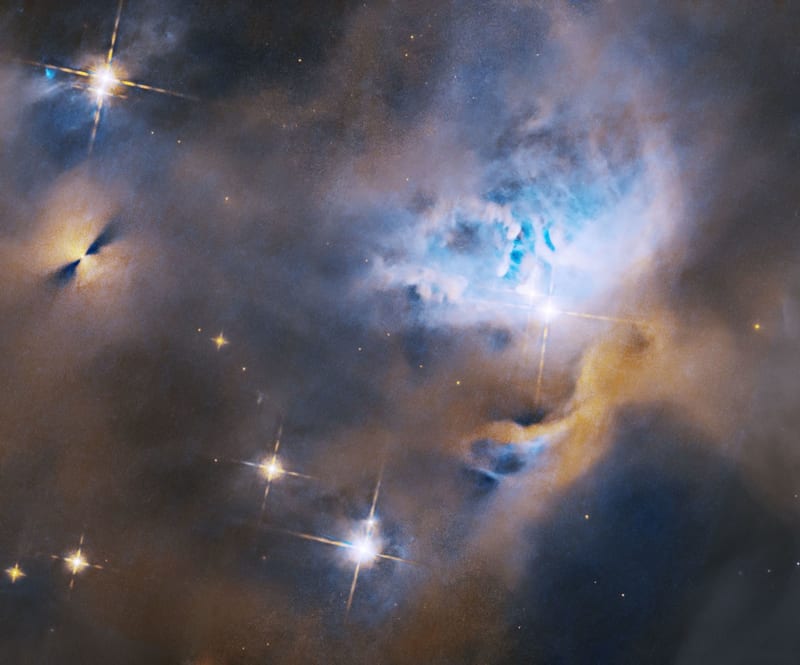
NASA's Hubble Space Telescope has captured a stunning cosmic nursery where stars are being born and planets are forming just 950 light-years from Earth. The new image reveals baby stars illuminating clouds of gas and dust in ways scientists have never seen before.

NASA2 min read
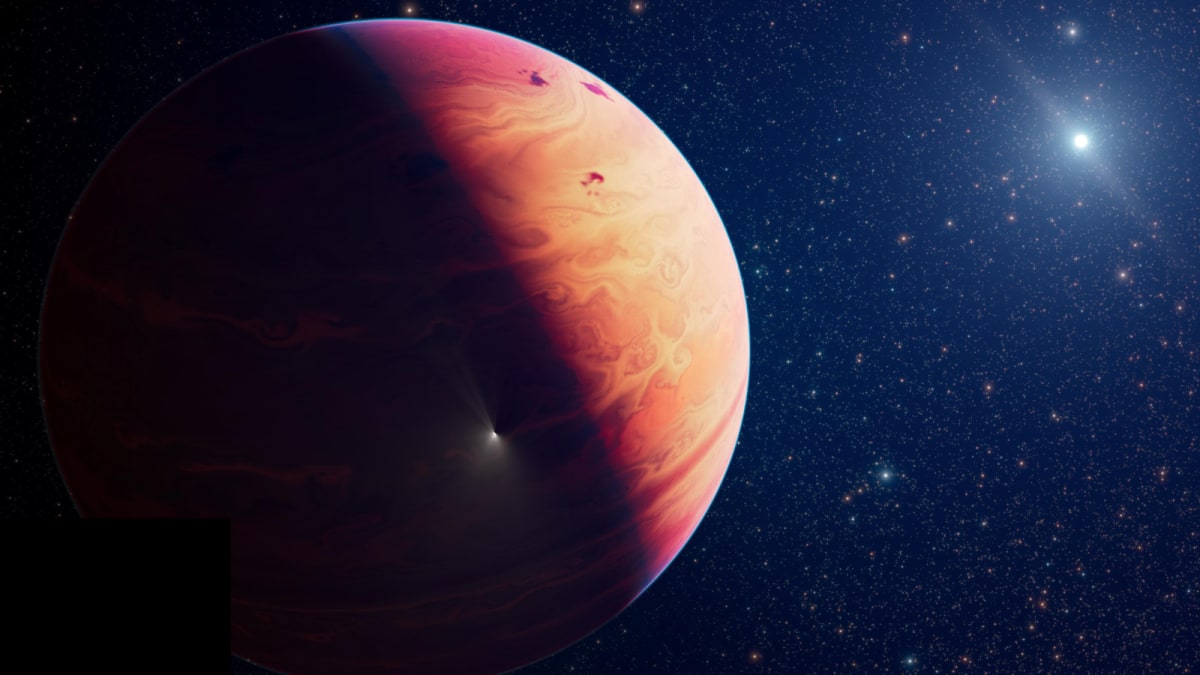
James Webb Telescope Solves Giant Planet Mystery
InnovationApr 15

James Webb Telescope Solves Giant Planet Mystery

Scientists using the James Webb Space Telescope discovered how planets 15 times bigger than Jupiter might form, settling a cosmic debate. The breakthrough could explain how the universe's most massive worlds come to exist.

Space.com2 min read
Giant Planet Discovery Reveals How Massive Worlds Form
InnovationApr 16

Giant Planet Discovery Reveals How Massive Worlds Form

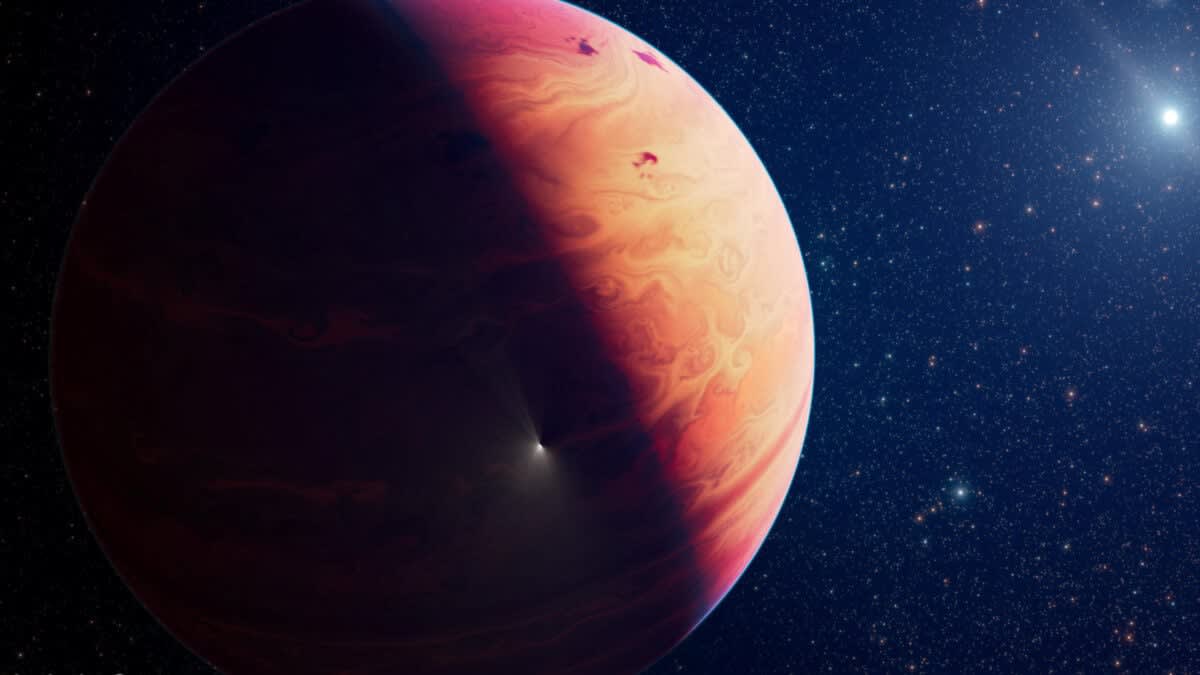
The James Webb Space Telescope found a supergiant planet that collected metal-rich materials as it formed, solving a cosmic mystery about how the universe's largest planets are born. This discovery could rewrite our understanding of planet formation.

Google: James Webb telescope2 min read
Planets May Form Easier Around Two Suns Than One
Planet WinsApr 29

Planets May Form Easier Around Two Suns Than One

New research reveals that binary star systems might be better planet factories than single stars like our sun. Tatooine-style worlds with twin suns could be the norm rather than the exception across our galaxy.

Space.com3 min read
Webb Telescope Captures Planets Being Born 450 Light-Years Away
InnovationApr 7

Webb Telescope Captures Planets Being Born 450 Light-Years Away

NASA's James Webb Space Telescope just gave us a front-row seat to planet formation, capturing stunning images of two young stars surrounded by the cosmic dust and gas that will become new worlds. These images reveal exactly how planets grow from tiny particles into massive spheres orbiting distant suns.

Google: James Webb telescope2 min read
Scientists Find 77-Year-Old Humpback Whale Recording
Planet WinsFeb 21

Scientists Find 77-Year-Old Humpback Whale Recording

A haunting whale song from 1949 has been rediscovered in Massachusetts archives, offering scientists a rare window into ocean life before modern pollution changed everything. The recording captures a humpback whale when fewer than 1,000 remained in the North Atlantic.

Scientific American2 min read
Scientists Find Ancient Galaxy Eaten by the Milky Way
Planet WinsMay 25

Scientists Find Ancient Galaxy Eaten by the Milky Way

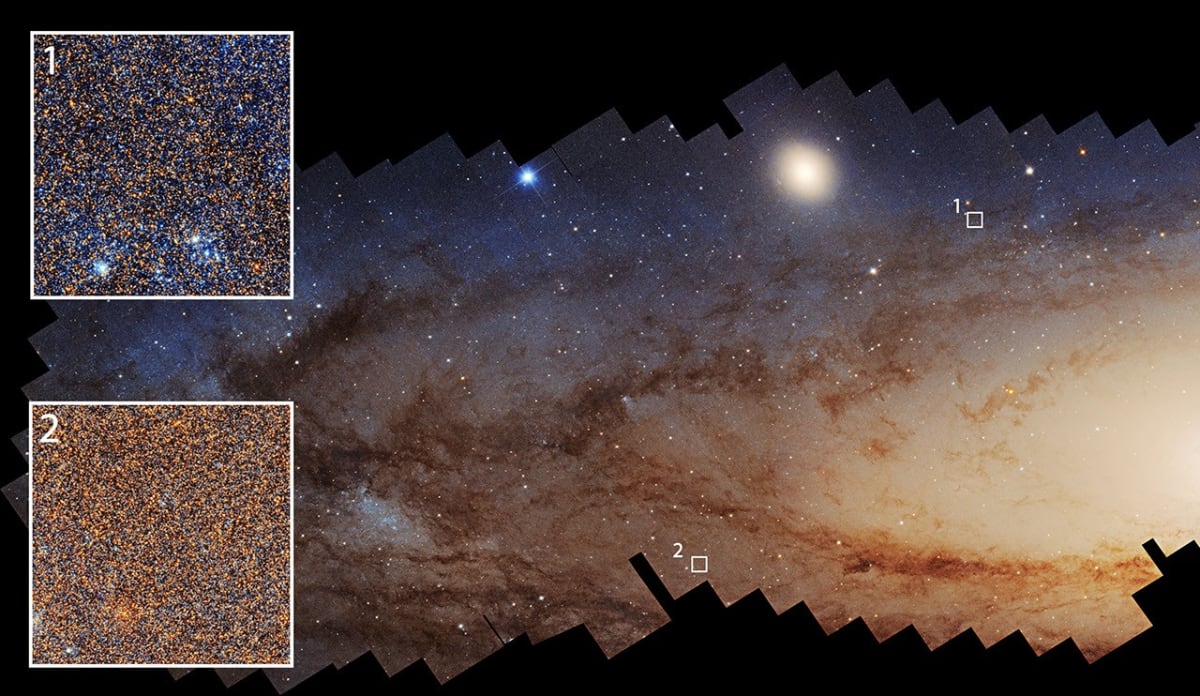
Astronomers discovered remnants of a dwarf galaxy our Milky Way devoured 10 billion years ago, offering new clues about how our cosmic home grew from a smaller galaxy into the massive spiral we call home today.

Google News - Science3 min read
Webb Telescope Solves Mystery of Giant Planet Formation
InnovationApr 14

Webb Telescope Solves Mystery of Giant Planet Formation

NASA's James Webb Space Telescope just confirmed how the universe's heaviest planets are born, settling a long debate among astronomers. The discovery shows that even planets 15 times bigger than Jupiter form the same way Earth did.

Google: James Webb telescope3 min read

Showing 20 of 130