Scientists Confirm Star Explosions That Leave Nothing Behind
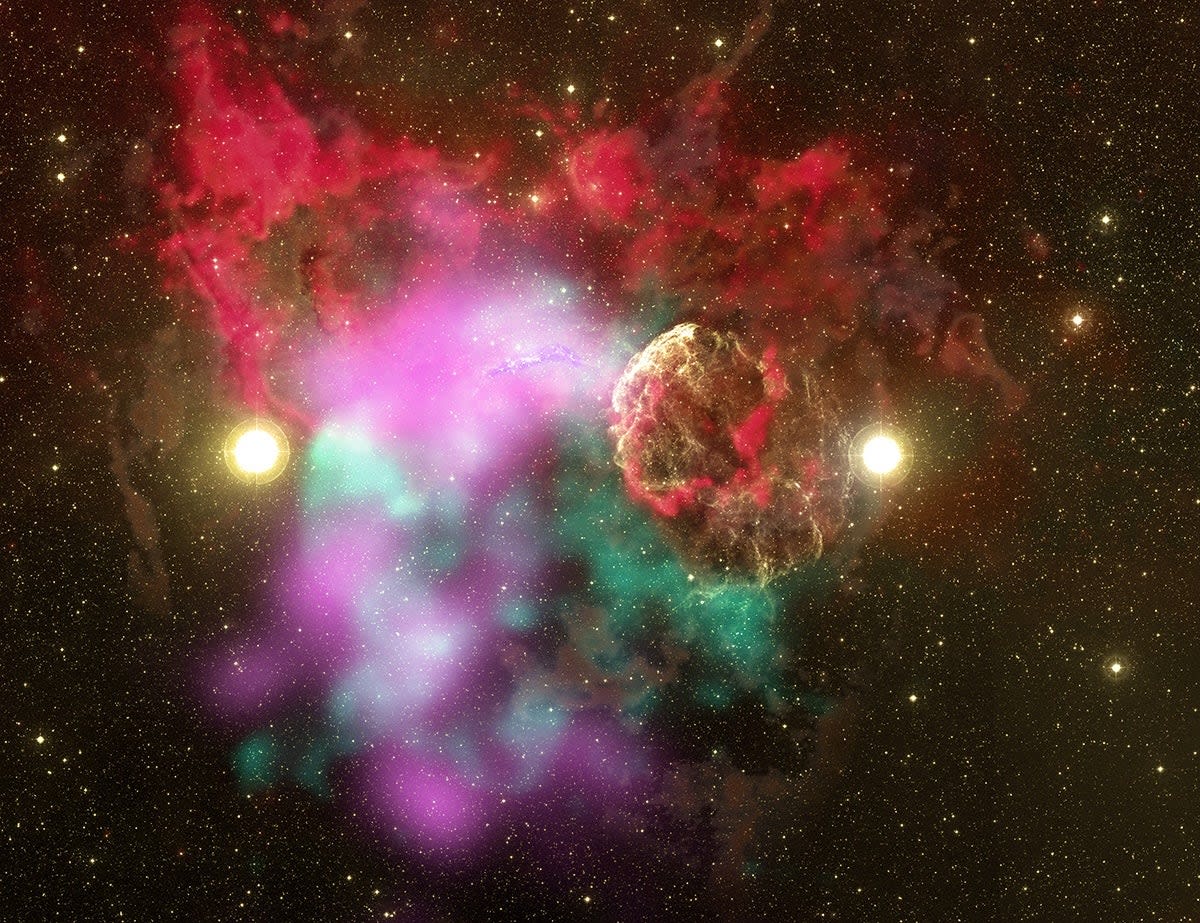
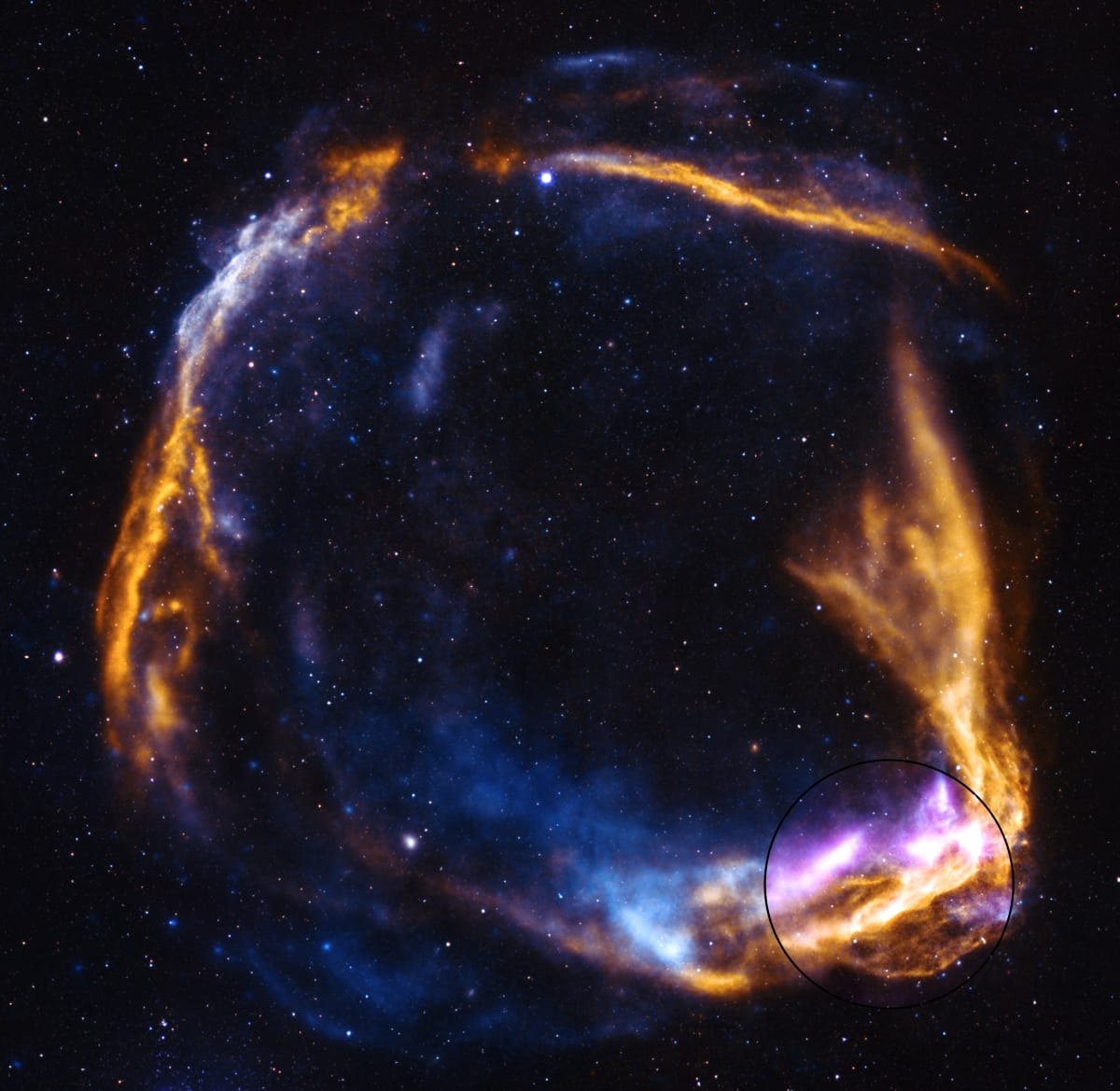
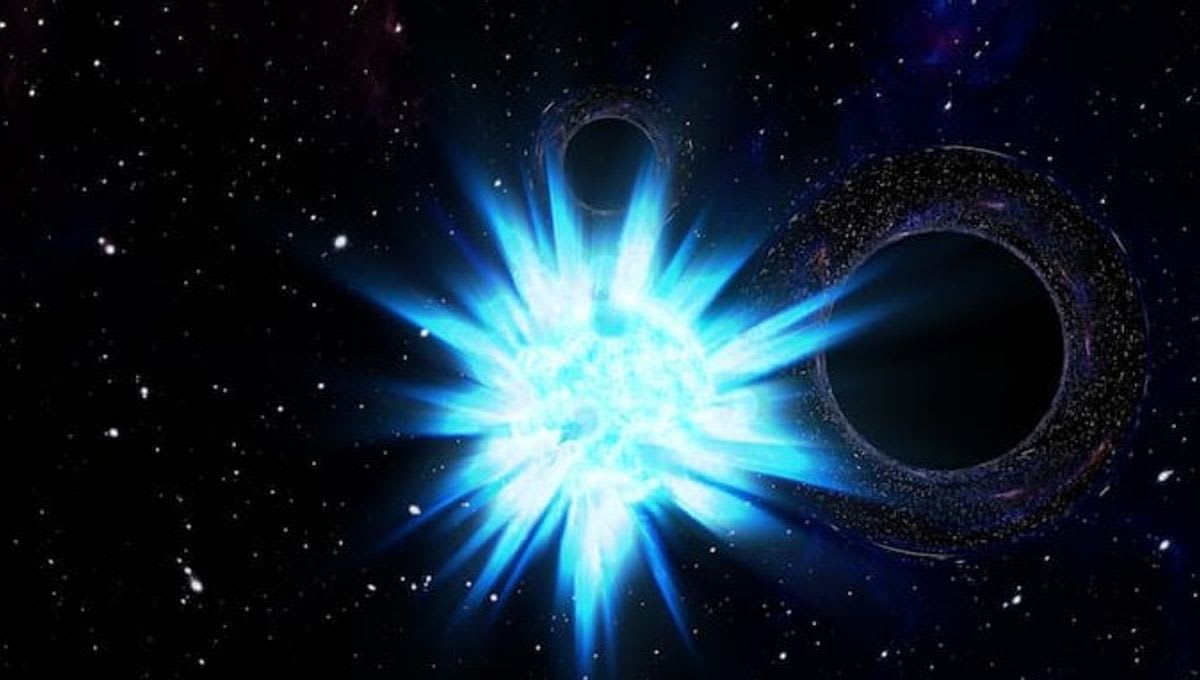
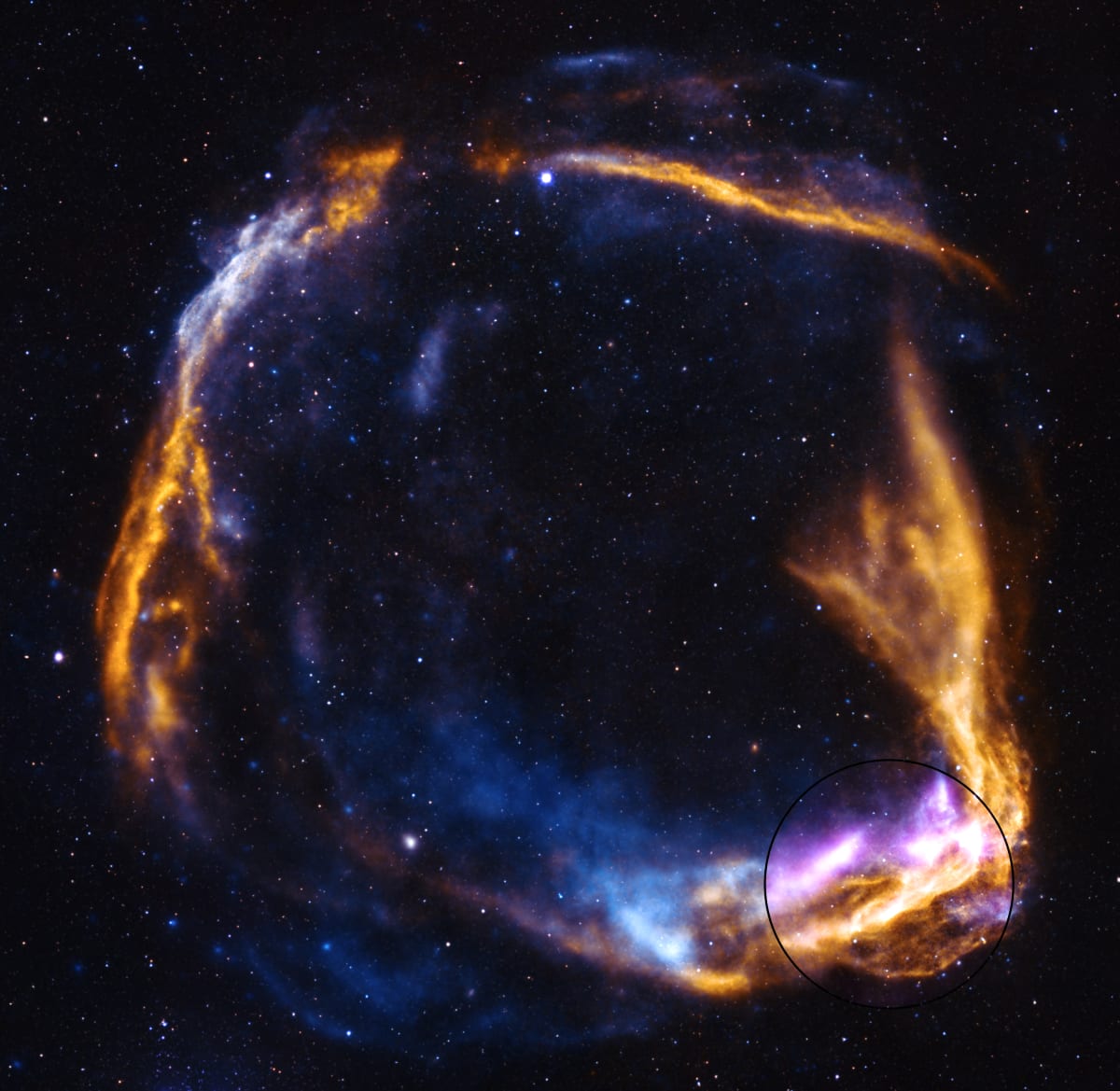
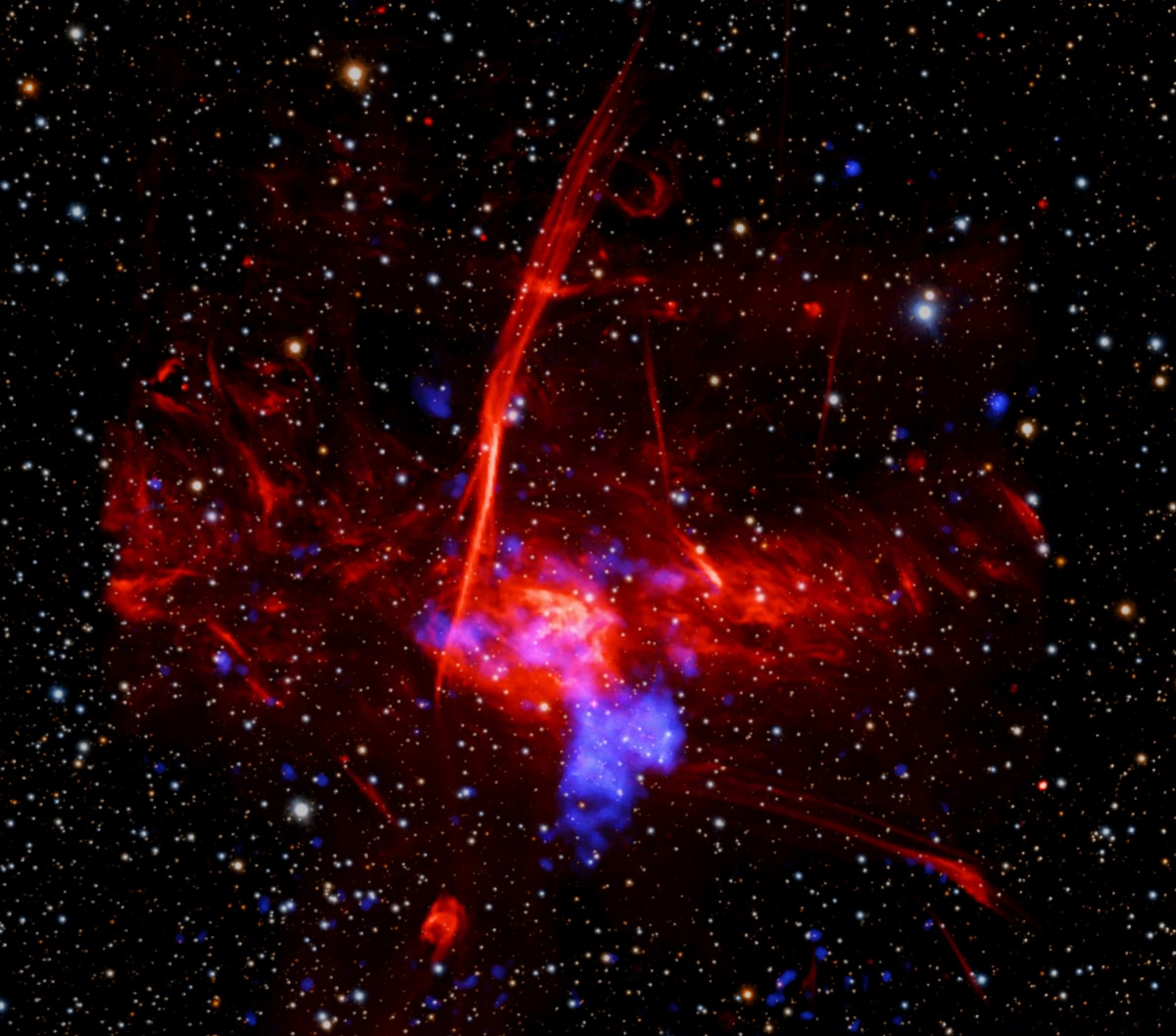
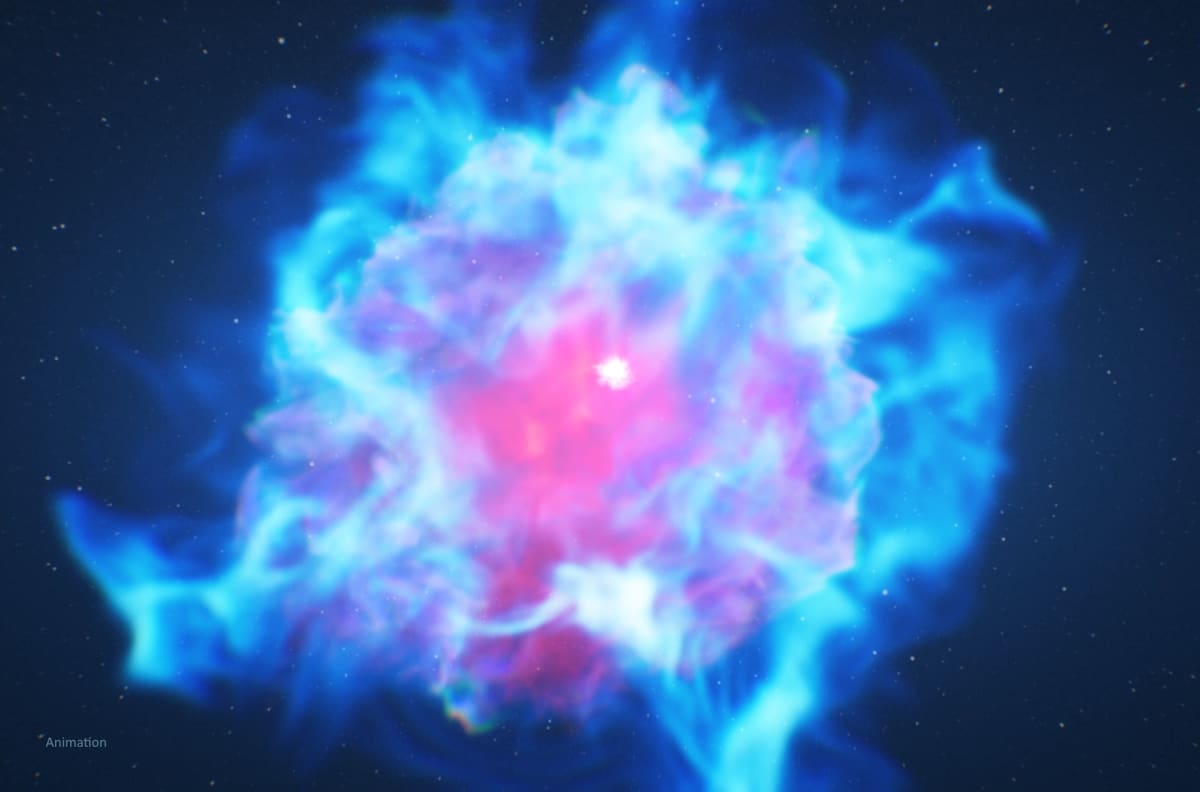
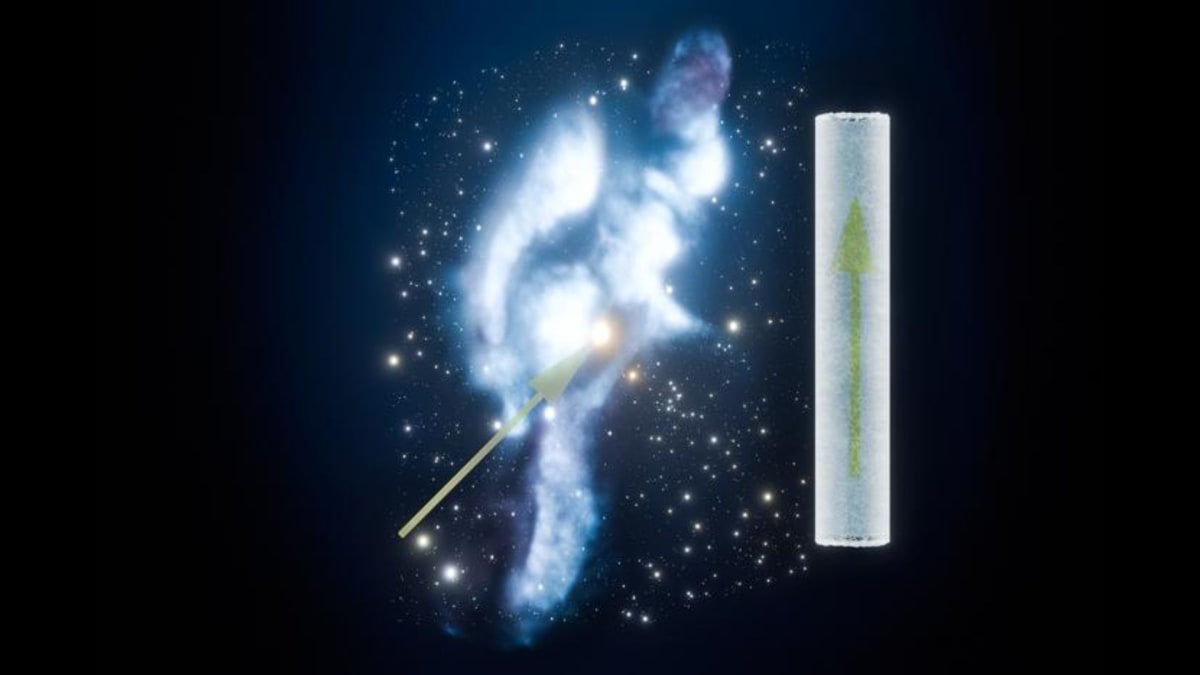
For 60 years, scientists theorized that the universe's biggest stars could explode so powerfully they vanish completely. New research using gravitational waves just proved they were right.
Find uplifting stories about heroes, innovations, and solutions
4 results for "supernovas"
For 60 years, scientists theorized that the universe's biggest stars could explode so powerfully they vanish completely. New research using gravitational waves just proved they were right.

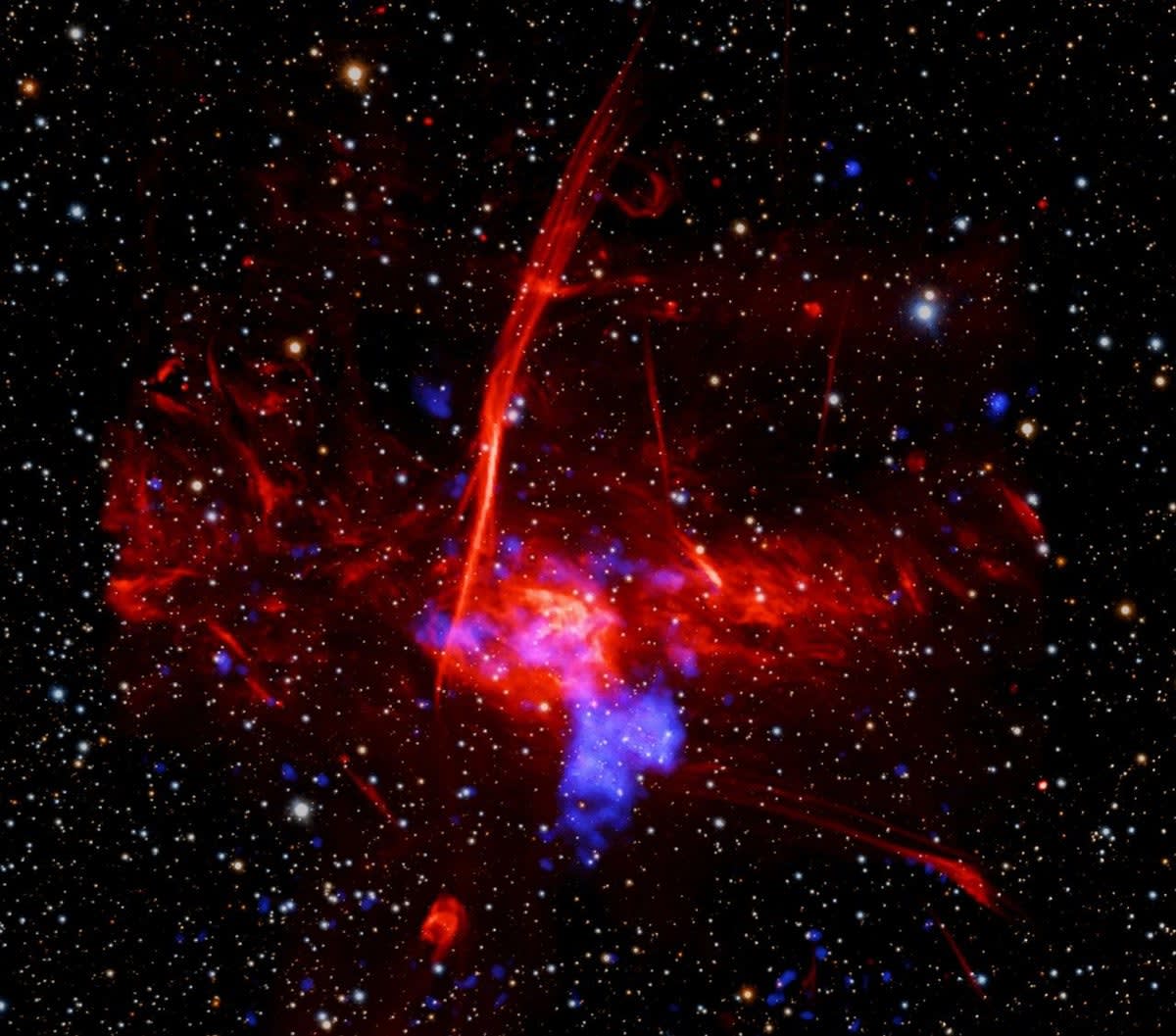
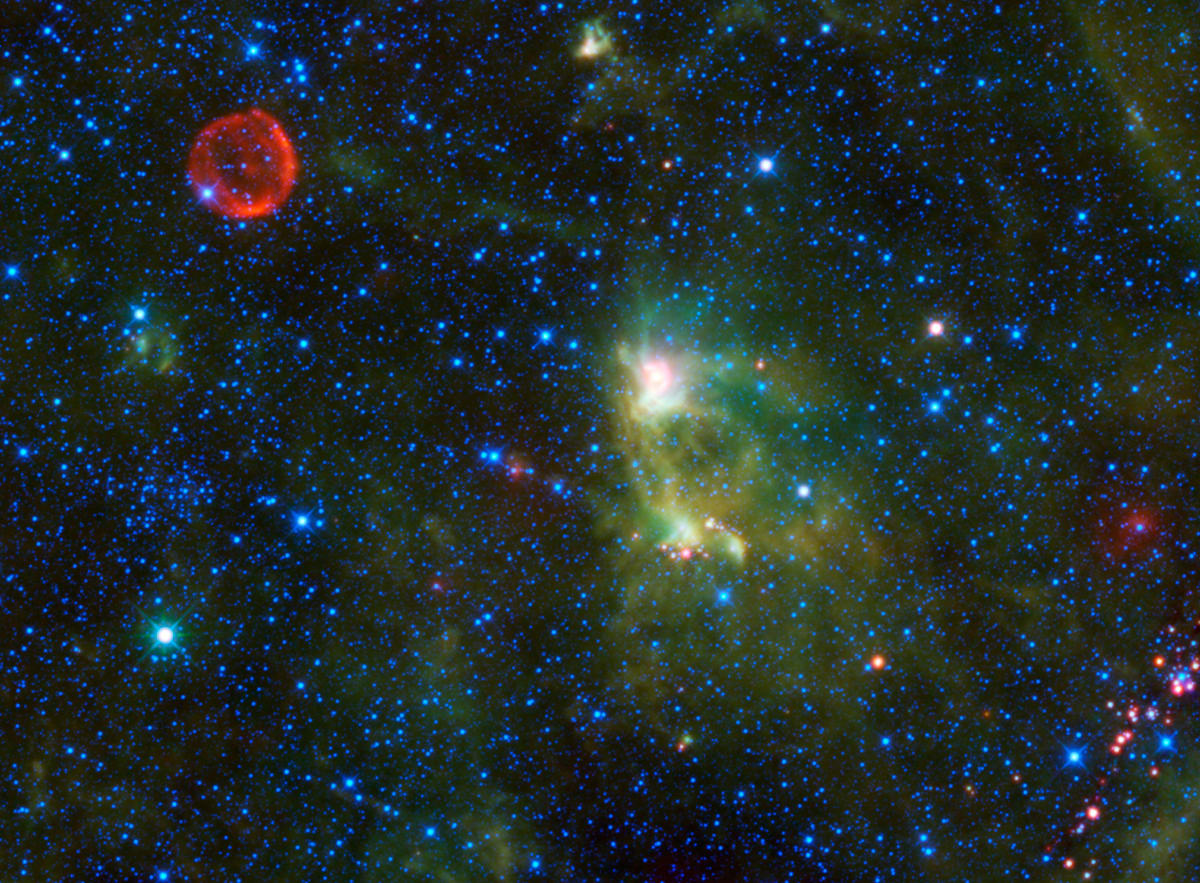
A revolutionary telescope in Chile just flagged 800,000 cosmic discoveries in a single night, and scientists say that number will jump to 7 million nightly by year's end. This breakthrough will help us catch supernovas as they happen, track dangerous asteroids, and unlock mysteries about dark matter.

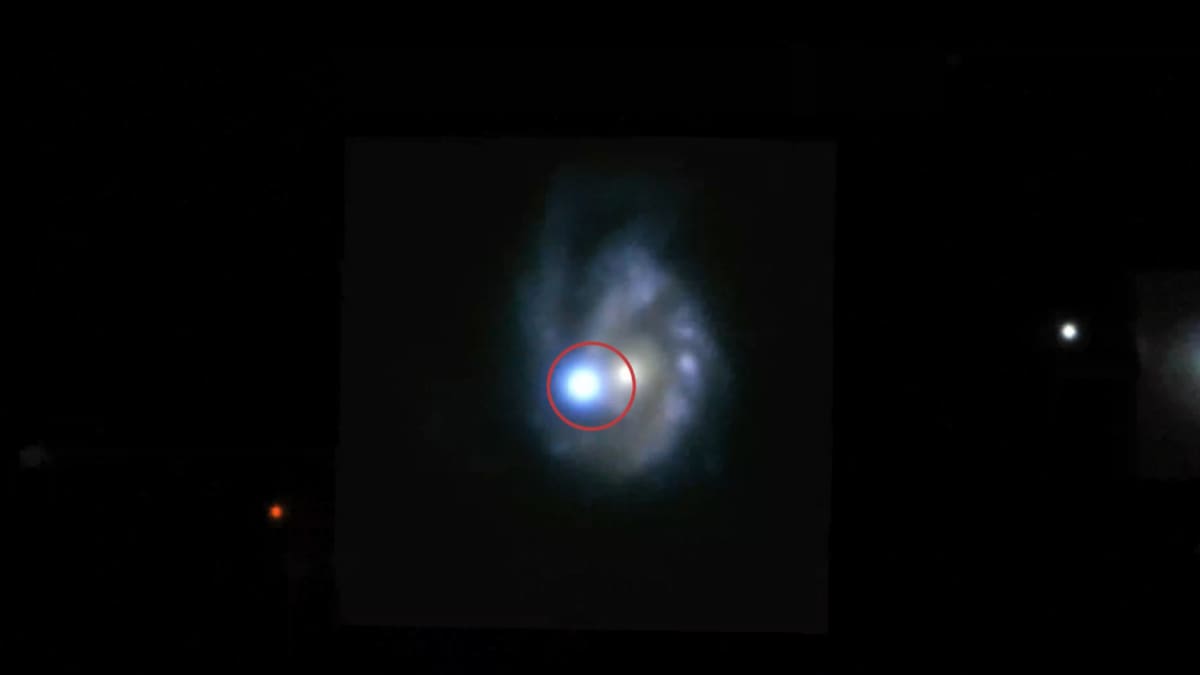
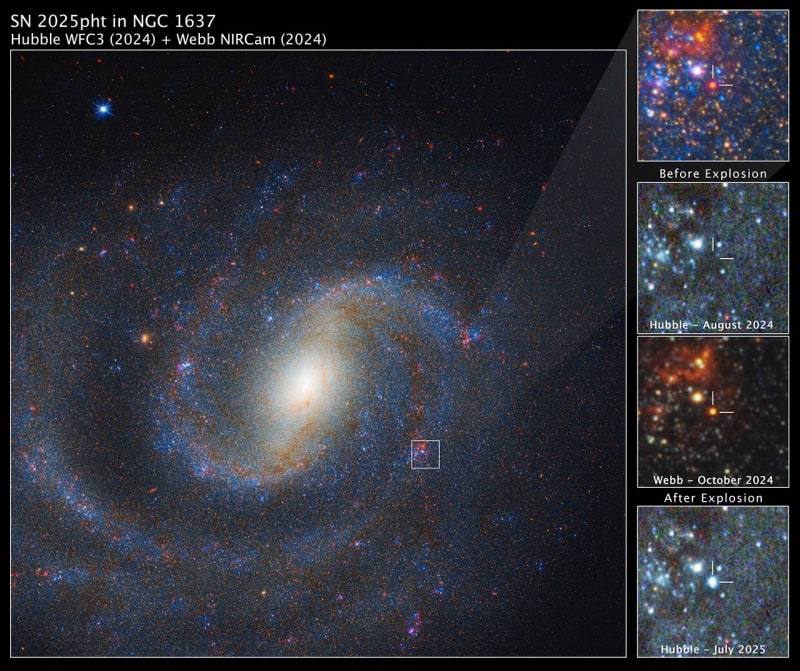
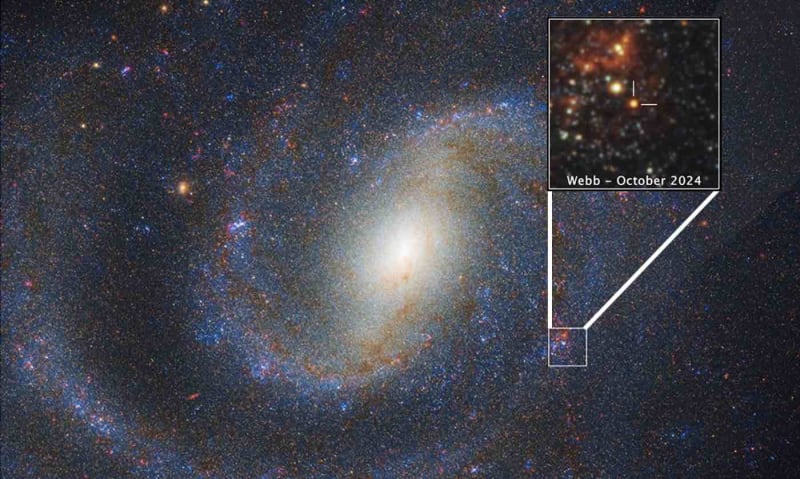
For the first time, NASA's Webb Telescope identified a star before it exploded, solving a decades-old mystery about missing supergiants. The discovery could explain why the universe's most massive dying stars have been so hard to find.

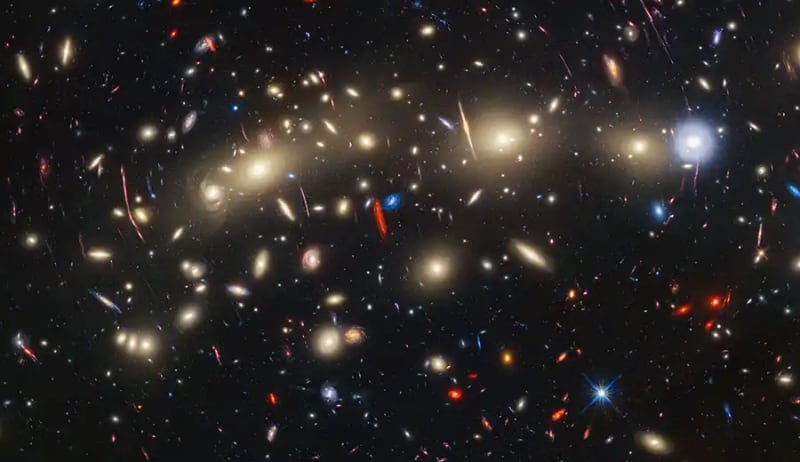
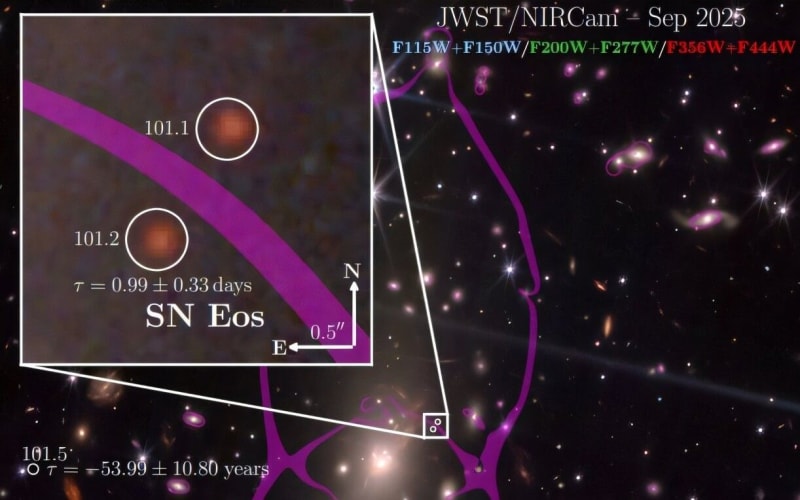
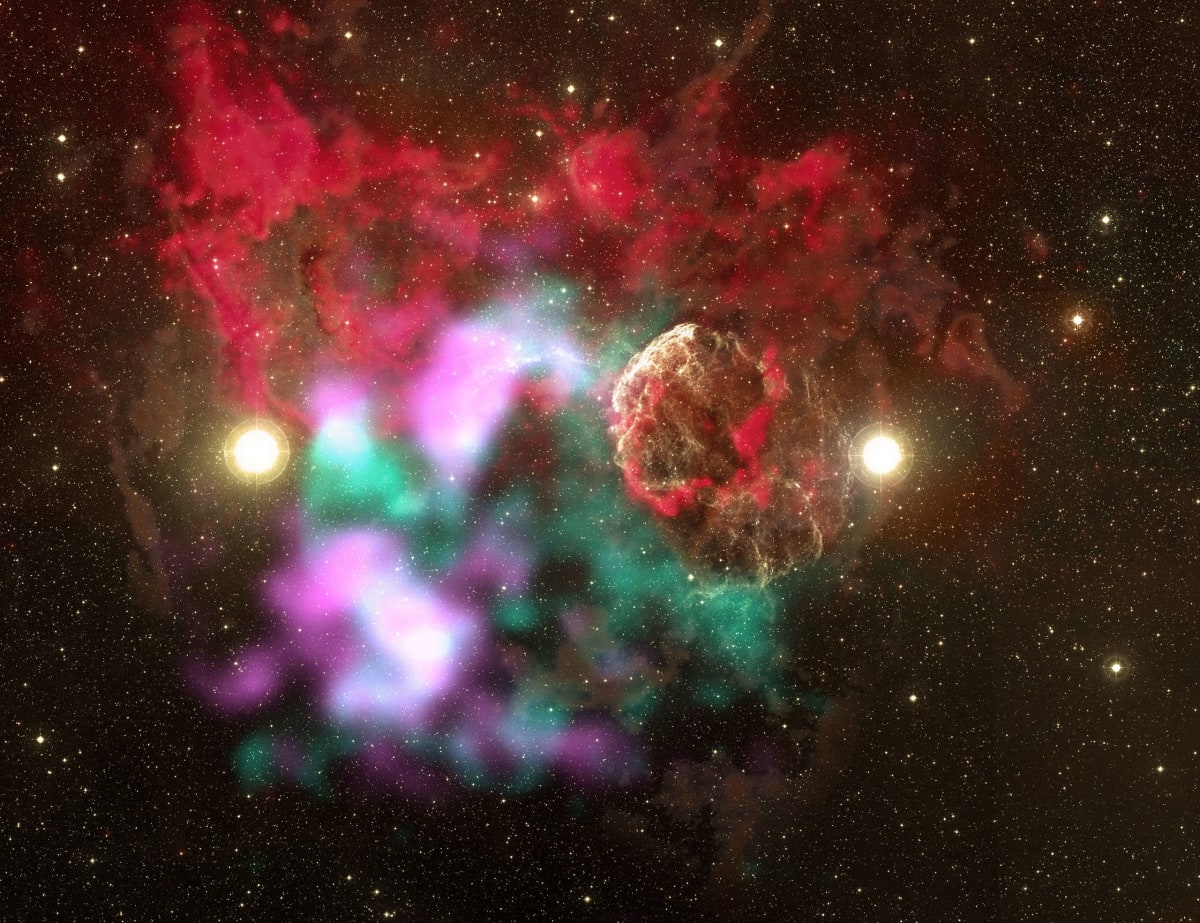
The James Webb Space Telescope captured light from a supernova that exploded when the universe was just 5% of its current age, shattering the previous distance record by over a billion years. The discovery reveals that ancient stars died in remarkably similar ways to stars today.