Search

Find uplifting stories about heroes, innovations, and solutions

10 results for "catalysts"

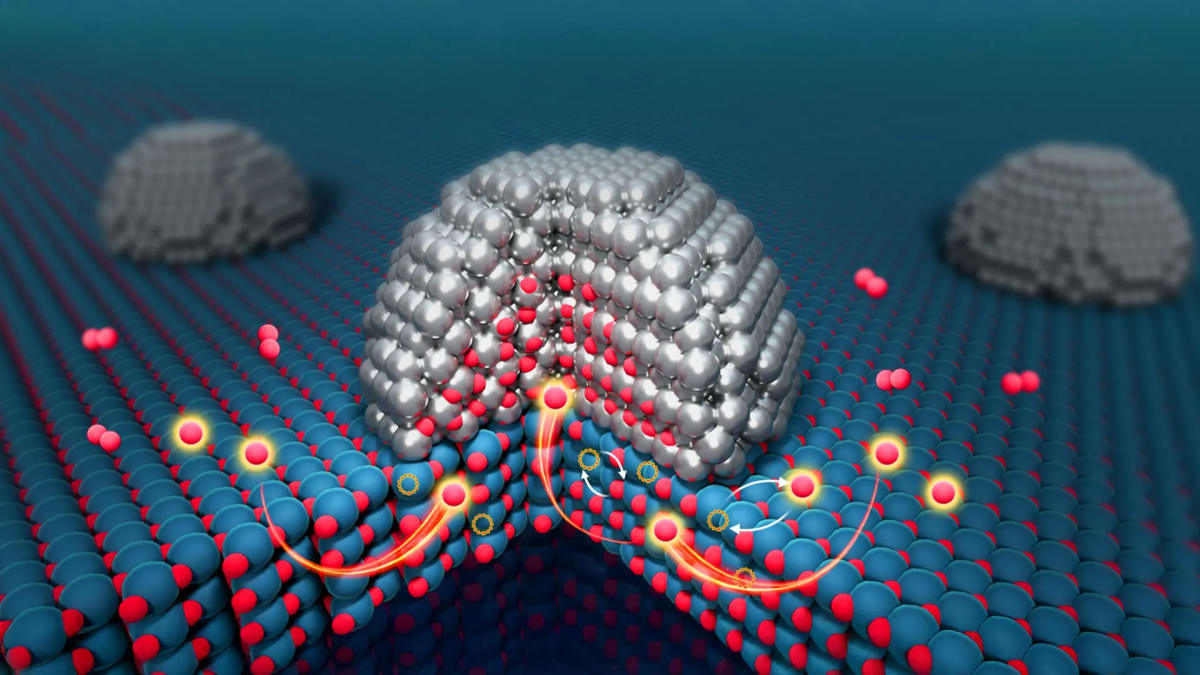
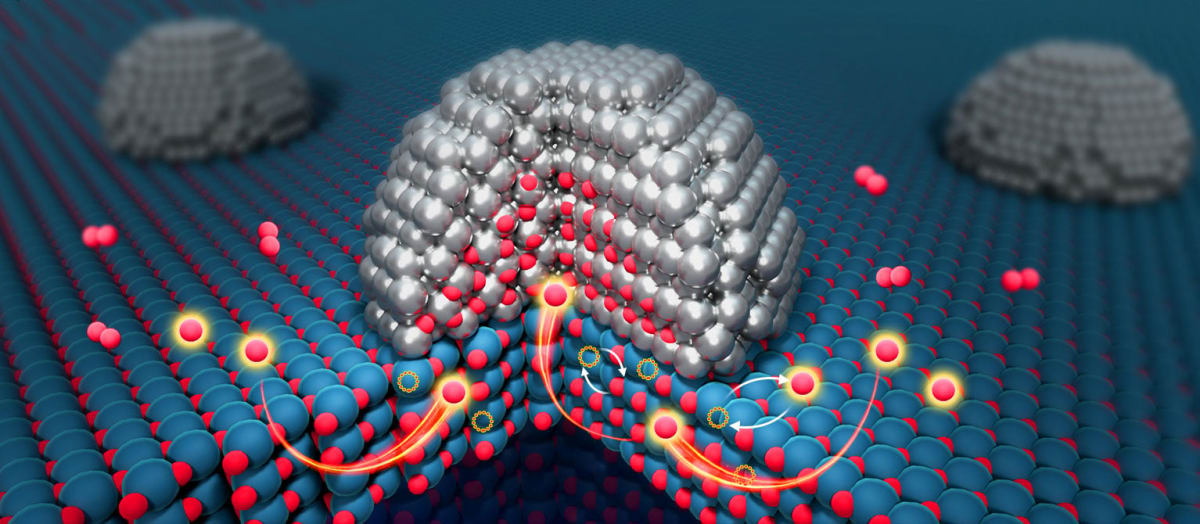
Scientists See Oxygen Moving Inside Catalysts for First Time
Innovation5h ago

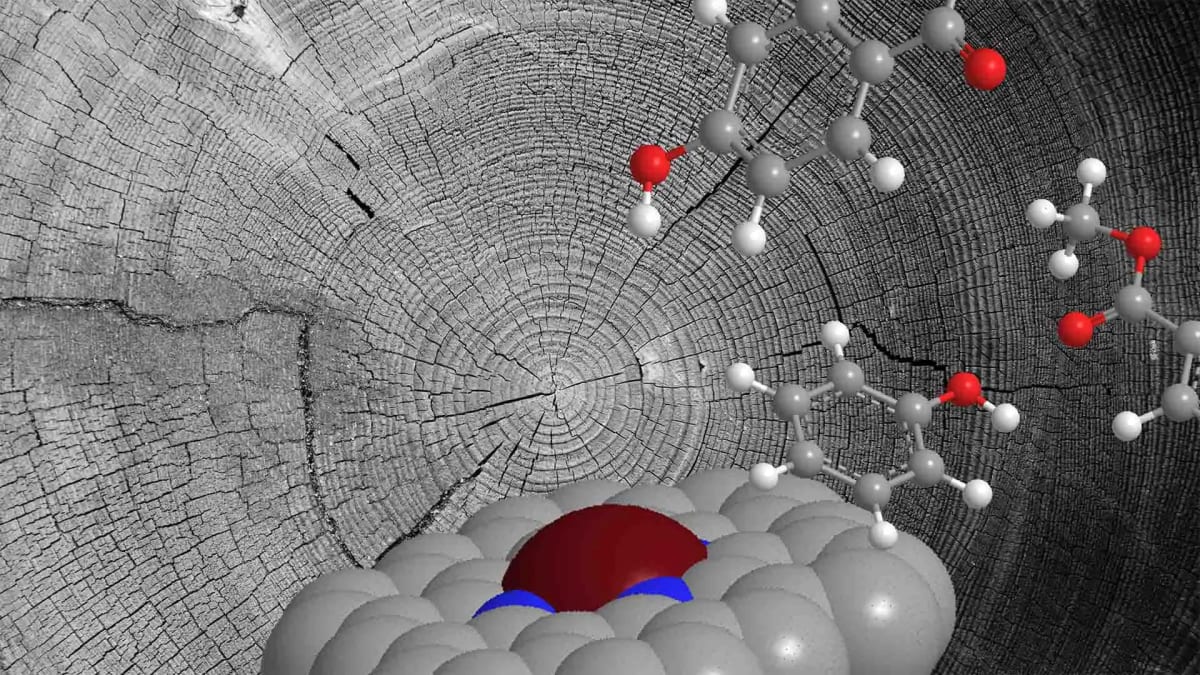
Scientists See Oxygen Moving Inside Catalysts for First Time

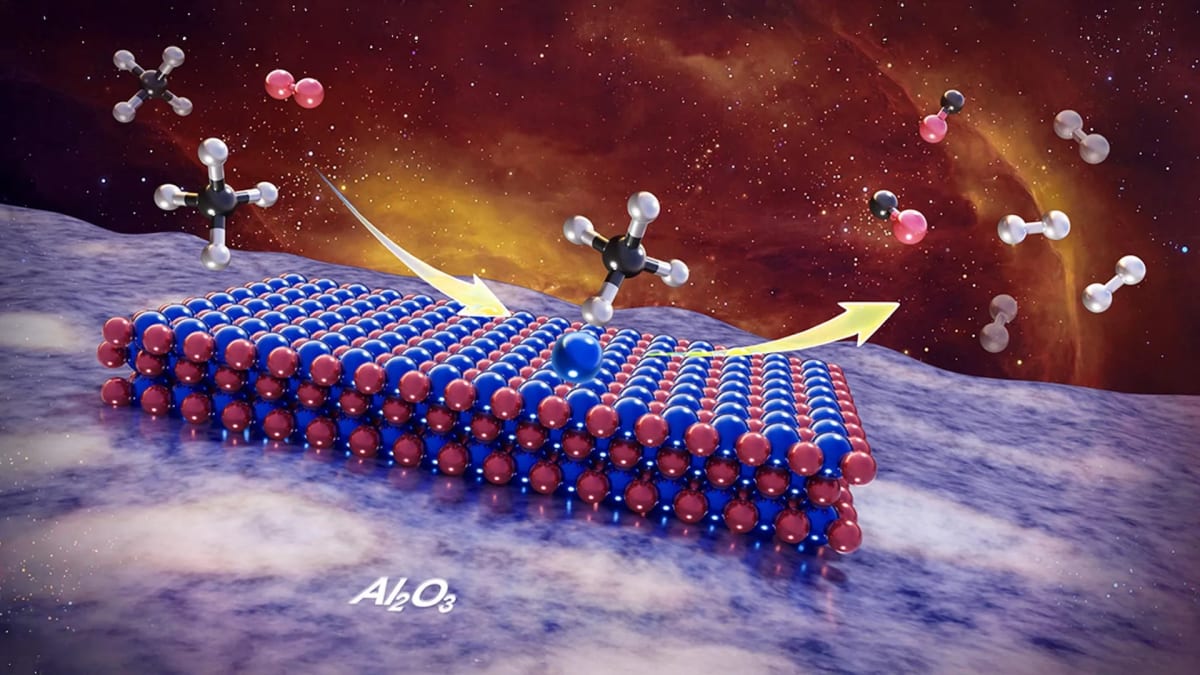
Chinese researchers captured oxygen atoms traveling through the interior of a catalyst, not just on its surface. This breakthrough could revolutionize how we design cleaner, more efficient chemical reactions.

Google News - Breakthrough Discovery2 min read
Scientists Crack Code for Turning Sunlight Into Clean Fuel
InnovationMar 16

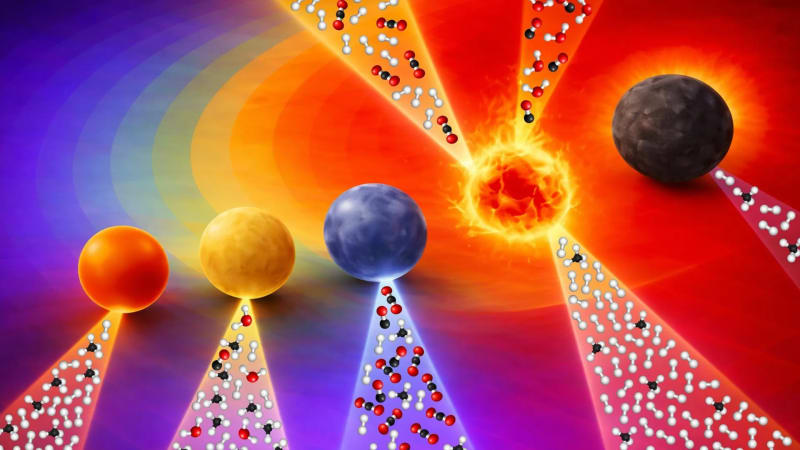
Scientists Crack Code for Turning Sunlight Into Clean Fuel

Researchers have developed a breakthrough method to predict which materials best convert sunlight into hydrogen fuel and valuable chemicals. The discovery could dramatically speed up the hunt for next-generation solar catalysts.

Science Daily3 min read
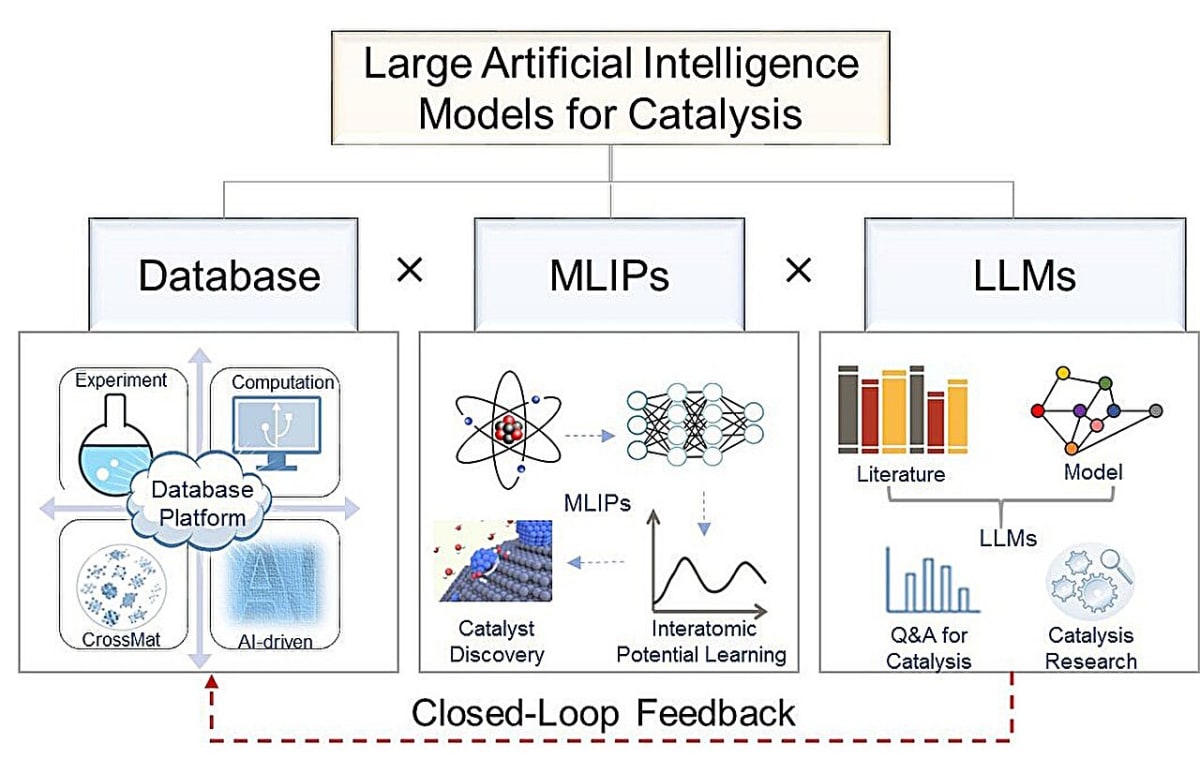
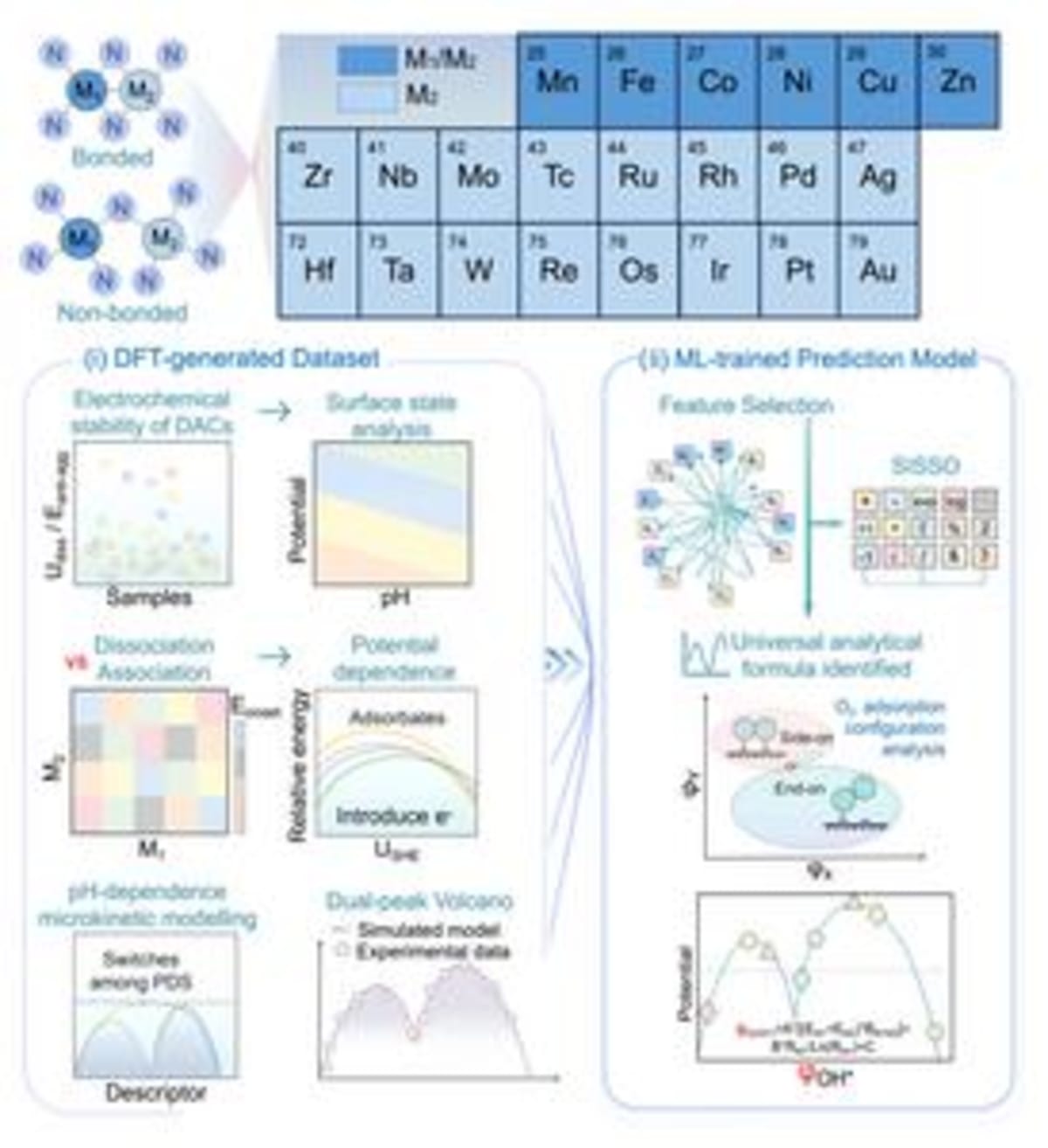
AI Now Predicts Best Catalysts Before Scientists Build Them
InnovationMar 8

AI Now Predicts Best Catalysts Before Scientists Build Them

Scientists can now use artificial intelligence to predict which catalyst materials will work best before ever stepping into a lab. This breakthrough could slash years off the timeline for developing clean energy and pollution control technologies.

Phys.org2 min read
Scientists Stop Catalysts from Losing Power with 1 Atom
InnovationMar 3

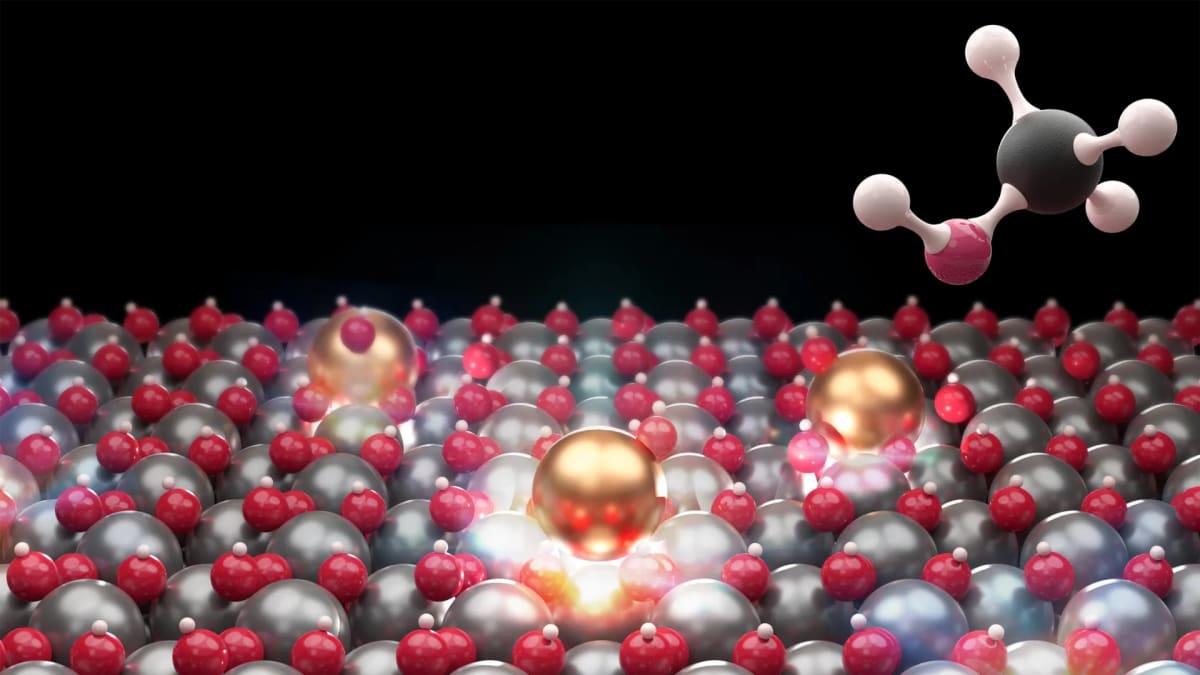
Scientists Stop Catalysts from Losing Power with 1 Atom

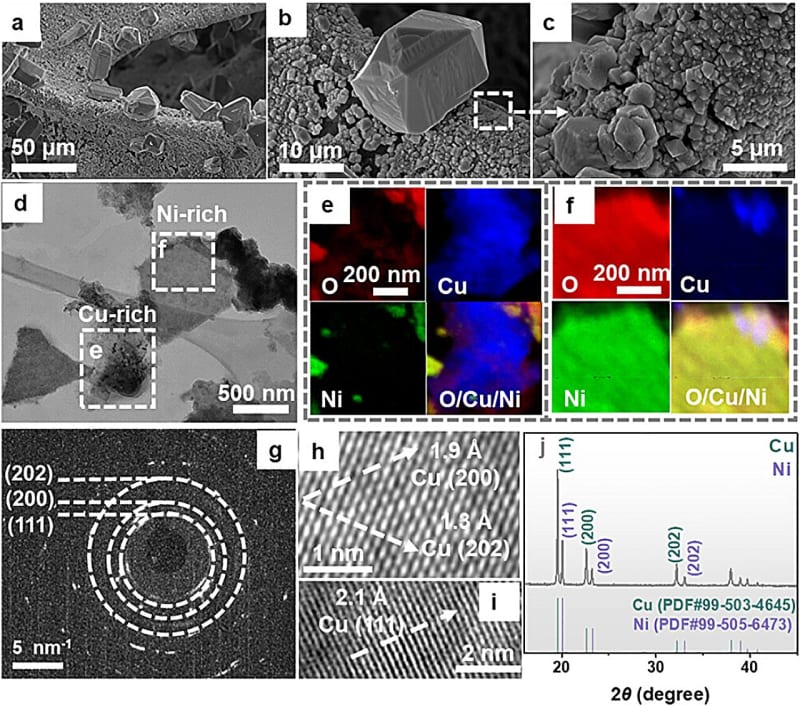
Researchers discovered that adding just one platinum atom per hundred copper atoms keeps industrial catalysts working at full strength. This breakthrough could make manufacturing everything from medicine to fuel more efficient and sustainable.

Phys.org3 min read
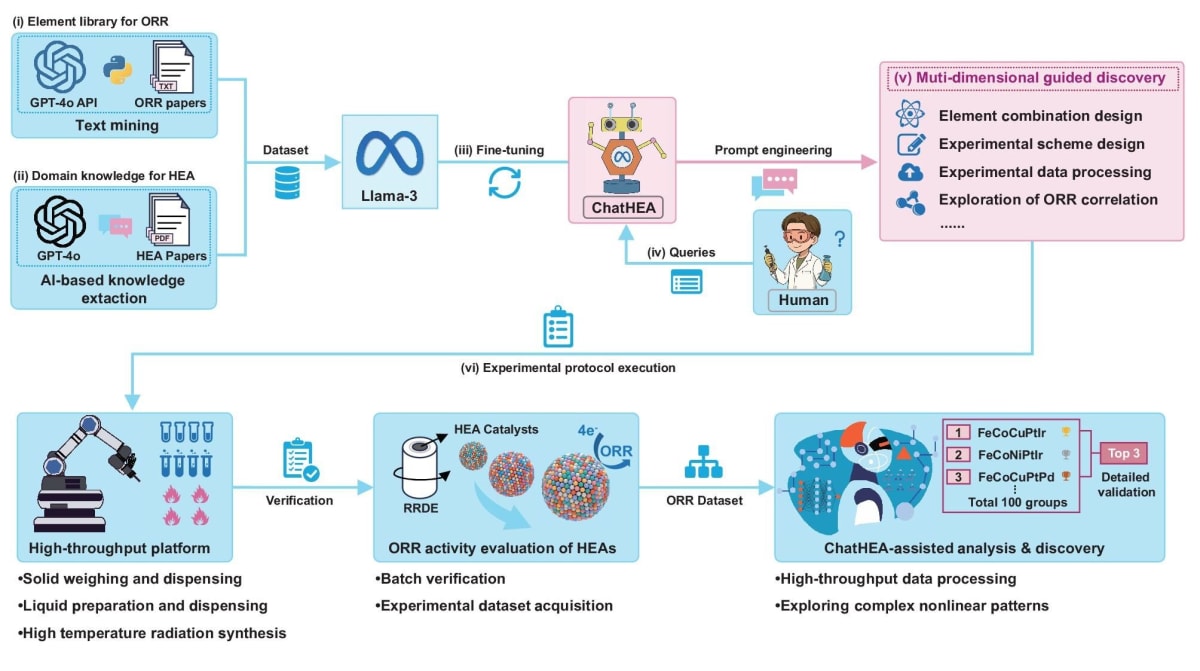
AI Crew Discovers 13 New Catalysts for Green Fertilizer
InnovationFeb 24

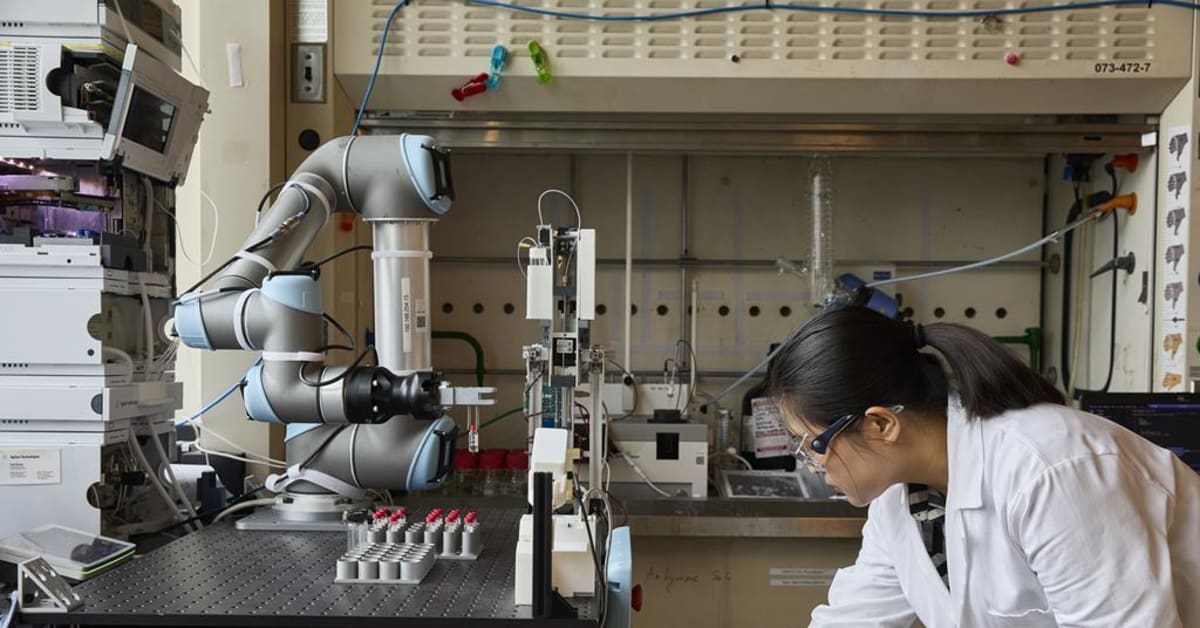
AI Crew Discovers 13 New Catalysts for Green Fertilizer

Scientists created an AI team that automated months of research in days, discovering 13 promising new catalysts to make fertilizer production cleaner. The breakthrough could help slash the fertilizer industry's massive carbon footprint while feeding the world.

Google: scientific discovery3 min read
MIT's AI Cuts Years Off New Materials Creation Time
InnovationFeb 2

MIT's AI Cuts Years Off New Materials Creation Time

Scientists just solved the biggest bottleneck in materials discovery with an AI that suggests how to actually make breakthrough materials in minutes instead of months. The model already helped create a new heat-resistant material that could improve everything from catalysts to clean energy.

MIT News3 min read
IBM's Nighthawk Chip Could Speed Up Clean Energy Breakthroughs
VideosFeb 2

IBM's Nighthawk Chip Could Speed Up Clean Energy Breakthroughs

IBM's new quantum computer can now run complex calculations 30% deeper than before, potentially cutting years off the time needed to discover better solar panels, batteries, and green hydrogen catalysts. By 2028, the company plans to scale this technology to tackle chemistry problems that today's supercomputers can't solve.

CleanTechnica3 min read
Scientists Find 'Just Right' Size for Reusable Catalysts
InnovationJan 28

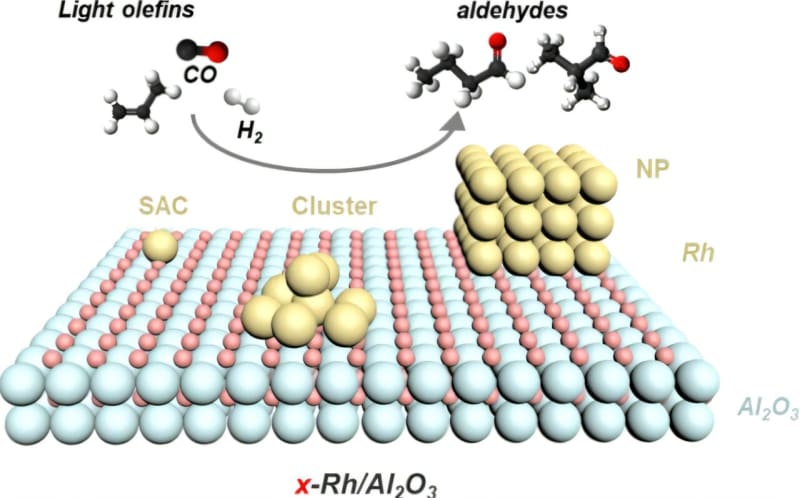
Scientists Find 'Just Right' Size for Reusable Catalysts

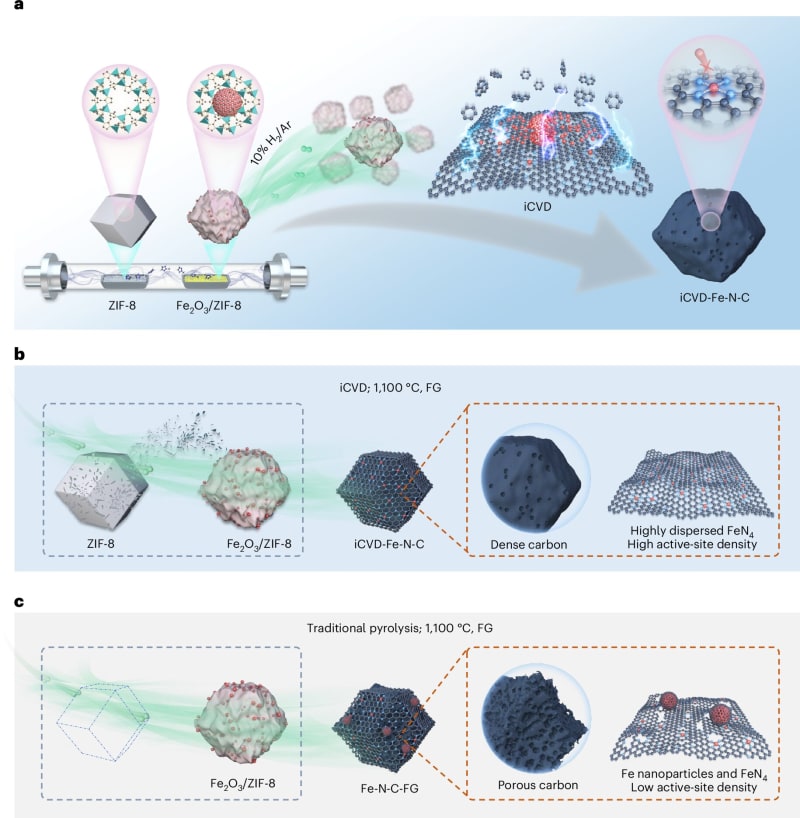
Researchers discovered that rhodium clusters of about 10 atoms work better than single atoms or large particles for making plastics and detergents. This breakthrough could make chemical manufacturing cheaper and more sustainable.

Phys.org2 min read
New Battery Recycling Captures CO₂, Works at Room Temperature
InnovationJan 25

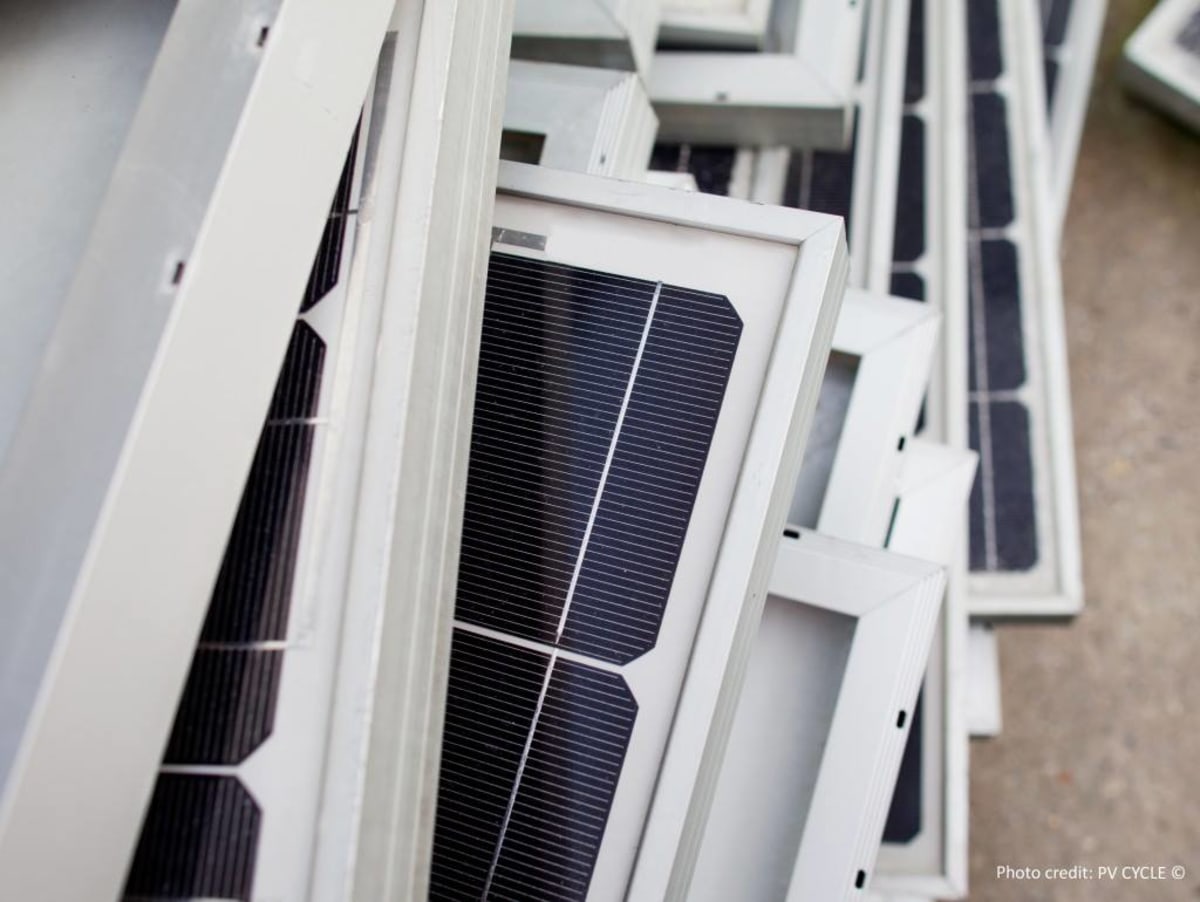
New Battery Recycling Captures CO₂, Works at Room Temperature

Scientists in China have invented a revolutionary way to recycle lithium batteries that solves three environmental problems at once. The breakthrough recovers 95% of lithium, captures carbon dioxide, and transforms leftover metals into clean energy catalysts.

Phys.org - Technology2 min read
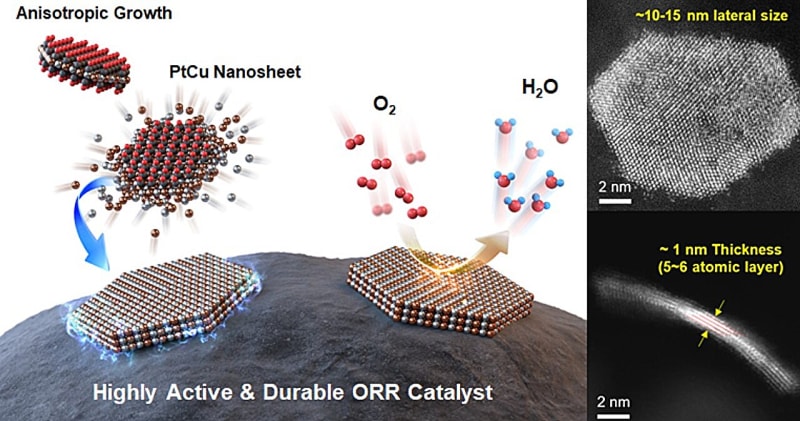
Paper-Thin Catalyst Cuts Hydrogen Costs by 65%
InnovationJan 24

Paper-Thin Catalyst Cuts Hydrogen Costs by 65%

Scientists in South Korea just made hydrogen energy far cheaper by reshaping catalysts from granules into sheets thinner than a human hair. The breakthrough slashes precious metal use by up to 65% while boosting performance.

Phys.org2 min read